
How Should SF6 Gas Quality Be Assessed in GIS and Switchgear?
Send your test requirement — get a tailored solution and a quote within one working day.

SF6 gas quality in GIS and switchgear is assessed by measuring purity, moisture (dew point) and decomposition products together, because each parameter answers a different question about the gas and the equipment. The programme spans commissioning baselines, routine condition trending and post-fault investigation, with sampling conditions, units and applicable standards determining whether a result is comparable.
Why Purity, Moisture and Decomposition Products Must Be Read Together
Purity expresses the proportion of SF6 in the gas sample relative to air and other contaminants. A low purity can weaken the dielectric and arc-quenching performance of the gas, which matters most in compartments where the gas is the primary insulation and interruption medium. Moisture content, usually expressed as dew point, reflects water in the gas; excess moisture can reduce withstand margin and, together with decomposition products, promote corrosive by-products. Decomposition products such as sulphur dioxide, hydrogen sulphide, hydrogen fluoride and carbon tetrafluoride form when electrical or thermal stress breaks the SF6 molecule down, and they are the strongest early indicators of fault activity inside a compartment.
Reading the three groups together is essential because they answer different questions. Purity says whether the gas is still SF6 in the expected proportion, moisture says whether the gas is dry enough for the duty, and decomposition products say whether something inside the equipment has stressed the gas. A compartment can have acceptable purity and dew point while decomposition products are already rising. Conversely, a dry sample does not prove the absence of internal discharge. IEC 60376 defines the quality of technical-grade SF6 for use in electrical equipment, while IEC 60480 provides criteria for re-use of SF6 and its mixtures after recovery and reclaiming; the owner’s specification determines which edition applies.
Sampling and Gas-Handling Conditions
Sample quality determines result quality. Sampling lines and couplings must be leak-tight and purged with the gas being tested so that atmospheric moisture and air are not drawn in. Pressure and temperature at the sample point should be recorded because they affect both the measurement and its interpretation. Gas should be returned to the compartment or captured by recovery equipment rather than vented, and personal protection is required because decomposition products can include corrosive and toxic species.
Hoses and fittings should be compatible with SF6 and its decomposition products, because some elastomers degrade in the presence of hydrogen fluoride. Analyser technology differs between instruments, and the choice of sensor type is a separate purchasing decision; the framework only requires that the instrument is calibrated for the parameters and units in scope and that its limitations are understood by the user.
The record for every sample should include the compartment identification, the date, the instrument and its calibration status, the units used, the sampling method, and the pressure and temperature conditions. Without these fields, two measurements cannot be compared, and the trend loses its value.
| Parameter | What it indicates | Stage where it matters most | Typical action if abnormal |
|---|---|---|---|
| Purity | Proportion of SF6 versus air and contaminants | Commissioning, gas refilling, routine checks | Identify the contamination source; reclaim or replace gas per the applicable specification |
| Moisture / dew point | Water content of the gas | Commissioning, routine condition checks | Check drying measures, sources of ingress and leak-tightness |
| Sulphur dioxide (SO2) | Decomposition from discharge or overheating | Routine trending, post-fault investigation | Correlate with operation records; investigate and escalate |
| Hydrogen sulphide, hydrogen fluoride, carbon tetrafluoride | Additional decomposition signatures | Post-fault and abnormal-gas investigation | Determine fault class from the pattern with engineering review |
| Density and pressure | Gas quantity available for insulation and interruption | Continuous alarms, routine checks | Locate leakage; top up per procedure and record emissions |
Commissioning and Baseline Gas Tests
At commissioning, new or replenished gas should be verified against the specification that applies to technical-grade SF6, and each compartment should receive a baseline record of purity, dew point and decomposition values. The baseline is the reference for every later comparison, so the test conditions and instrument data recorded at commissioning determine how useful the maintenance trend will be.
Where the contract or owner policy requires it, commissioning checks also cover gas density and the correct functioning of monitoring and alarm devices. The baseline should be stored in the same format as routine results so that later measurements can be overlaid directly.
Routine Maintenance and Condition Trending
Routine gas testing follows the owner’s maintenance programme rather than a universal calendar. Interval decisions depend on asset criticality, compartment type, operating history, environmental exposure and manufacturer guidance. The value of routine testing comes from the trend: stable purity, dew point and decomposition values support continued operation, while a gradual shift or a step change justifies investigation before the next planned outage.
Like-for-like comparison matters. A dew point or decomposition reading taken at a different temperature, pressure or season can differ without a change in gas condition. Density and pressure alarms should also be reviewed together with the gas analysis, because a slow leak changes the volume and can mask or distort other readings.
Routine checks are often combined with density monitoring and leak checks. A slow purity decline may indicate an air ingress path, while a rising dew point may indicate a moisture source or saturated adsorbent. Each observation is recorded with the gas analysis so that the pattern can be reviewed at the compartment level.
Post-Fault and Abnormal-Gas Investigations
After a fault, an abnormal operation or a suspected internal event, decomposition gas analysis is often the fastest non-invasive check because the gas inside the compartment carries evidence of the stress it experienced. Rising sulphur dioxide or the appearance of other decomposition products should be correlated with relay operation, protection records and the event timeline rather than read in isolation.
Interpretation of gas patterns is a diagnostic step that requires engineering judgement. The results indicate that stress has occurred, but the fault class, severity and required action are decided by combining the gas evidence with inspection, electrical tests and the equipment manufacturer’s guidance. Individual decomposition values are therefore not treated as universal pass or fail thresholds.
The investigation sequence normally starts with non-invasive sampling, then proceeds to electrical and inspection steps according to the findings. Each step is recorded so that the correlation between gas evidence and equipment condition can be reviewed by the responsible engineer.
Environmental Records and Gas Recovery
SF6 is a potent greenhouse gas, so handling is as much an environmental matter as a technical one. Recovery, reclaiming and re-use follow the applicable criteria, and IEC 62271-4 provides procedures for handling insulating and switching gases during installation, commissioning, operation and disposal. Records of gas quantities added, removed and recovered support both maintenance decisions and regulatory reporting where such reporting applies.
Leak detection and density monitoring reduce both emissions and the risk of operating with insufficient gas. When gas is returned to service after treatment, the re-use criteria and the recorded purity and moisture values determine whether it is suitable for the original duty.
Gas handling personnel should follow the equipment manufacturer’s procedures and the applicable handling standard. Venting to atmosphere should be avoided, and recovered gas should be stored or treated according to its measured condition until its next use is decided.
Building an Audit-Ready SF6 Test Record
An audit-ready record contains the compartment identity, the reason for testing, the sampling method, the instrument and calibration data, the units, the pressure and temperature conditions, the measured purity, dew point and decomposition values, the comparison with the previous baseline, and the action taken or recommended. Units must be stated because moisture can be expressed as dew point or as parts per million, and the two are not interchangeable without the corresponding pressure conditions.
Records should be complete enough that a different engineer can reconstruct the test and the reasoning. A named reviewer and review date strengthen traceability where the owner’s process requires them. To apply this framework to a specific GIS or switchgear population, define the compartments, the required parameters and the applicable specifications first. You can compare your SF6 gas testing requirements and request a technical proposal from the product team.
Where multiple compartments are tested, results should be presented per compartment so that trends are not averaged away. A fleet summary can follow, but the per-compartment record remains the primary evidence for each individual asset.
Frequently Asked Questions
What does SF6 purity indicate?
Purity indicates the proportion of SF6 in the gas relative to air and other contaminants. Low purity can reduce the dielectric and arc-quenching performance of the gas, so it is checked at commissioning, after refilling and during routine condition assessment.
Why is dew point measured instead of only moisture content?
Dew point expresses the temperature at which water begins to condense at the prevailing pressure, which is directly relevant to the risk of condensation inside the compartment. Moisture expressed as parts per million is pressure dependent, so dew point is often the practical unit for comparing gas condition.
What does a rise in SO2 indicate?
Sulphur dioxide forms when SF6 decomposes under electrical or thermal stress, so a rise indicates that discharge or overheating has occurred inside the compartment. The value is read together with other decomposition products, operation records and engineering review rather than as a standalone verdict.
Related articles
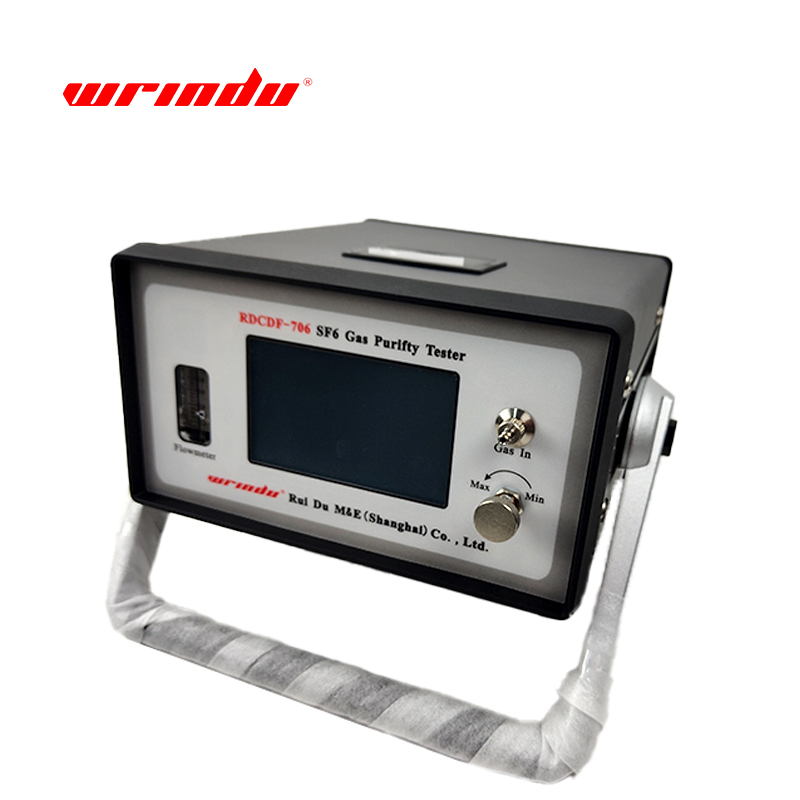 SF6 Leak Detector Sensitivity: Select a Method for the Inspection TaskKnowledge
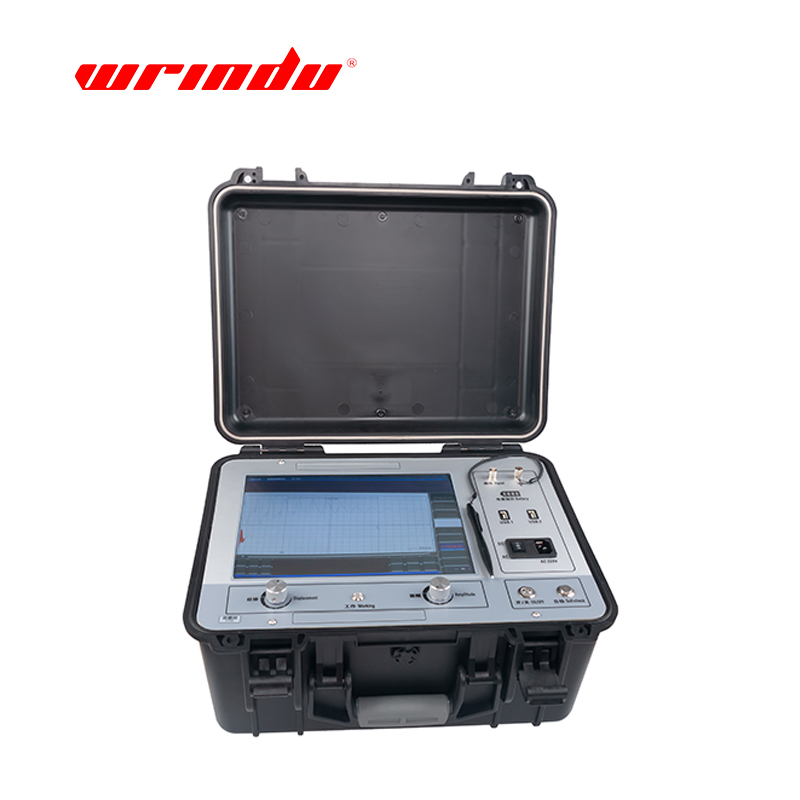 Cable Fault Locator Selection for Urban Networks: Routes, Noise and AccessKnowledge
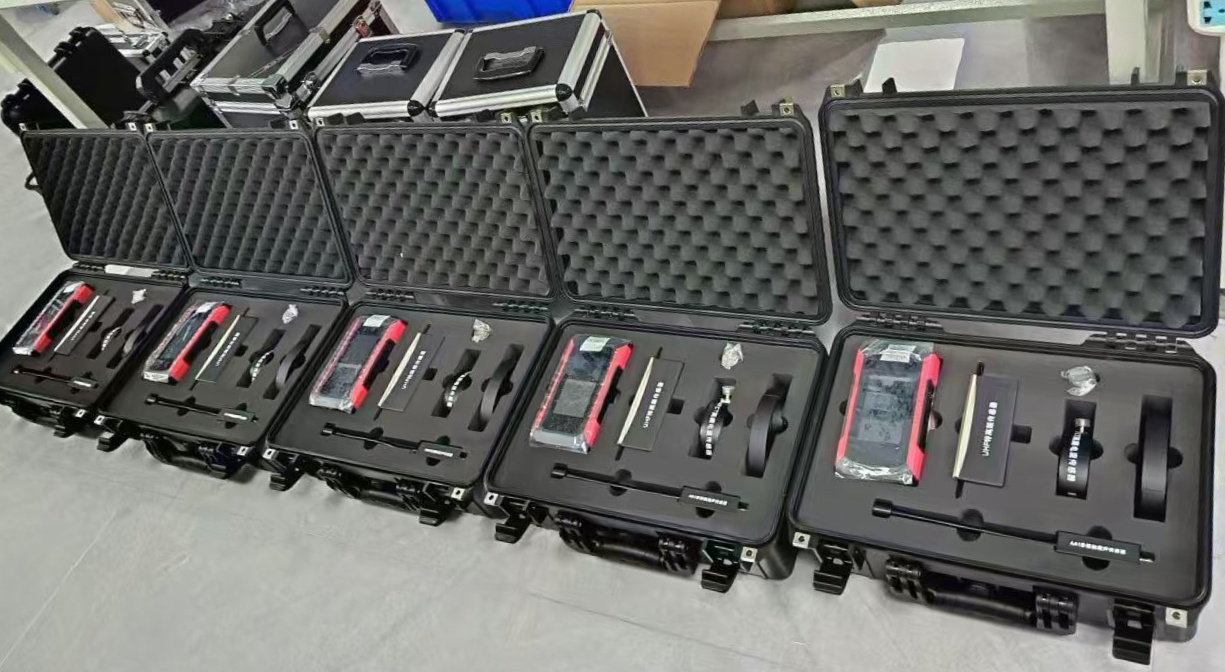 Substation Battery Load Bank Sizing: Duty, Voltage Range and Heat RejectionKnowledge
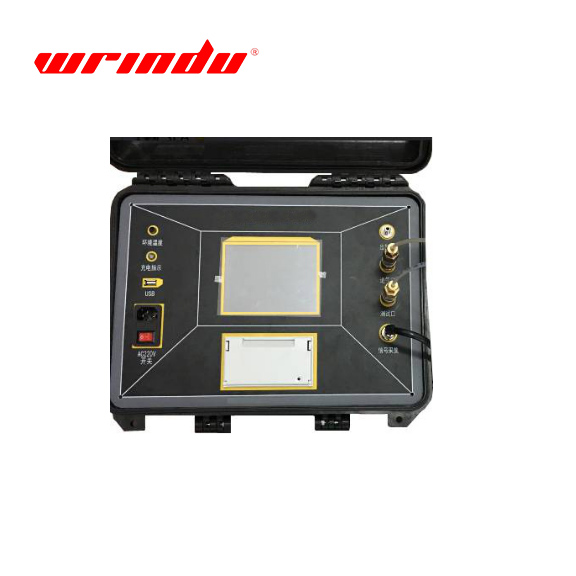 CT Polarity, Ratio and Burden Testing: Find Wiring and Loading ErrorsKnowledge