
Overcurrent and How It Affects Electrical Systems: Causes, Impacts, and Prevention Strategies
Send your test requirement — get a tailored solution and a quote within one working day.
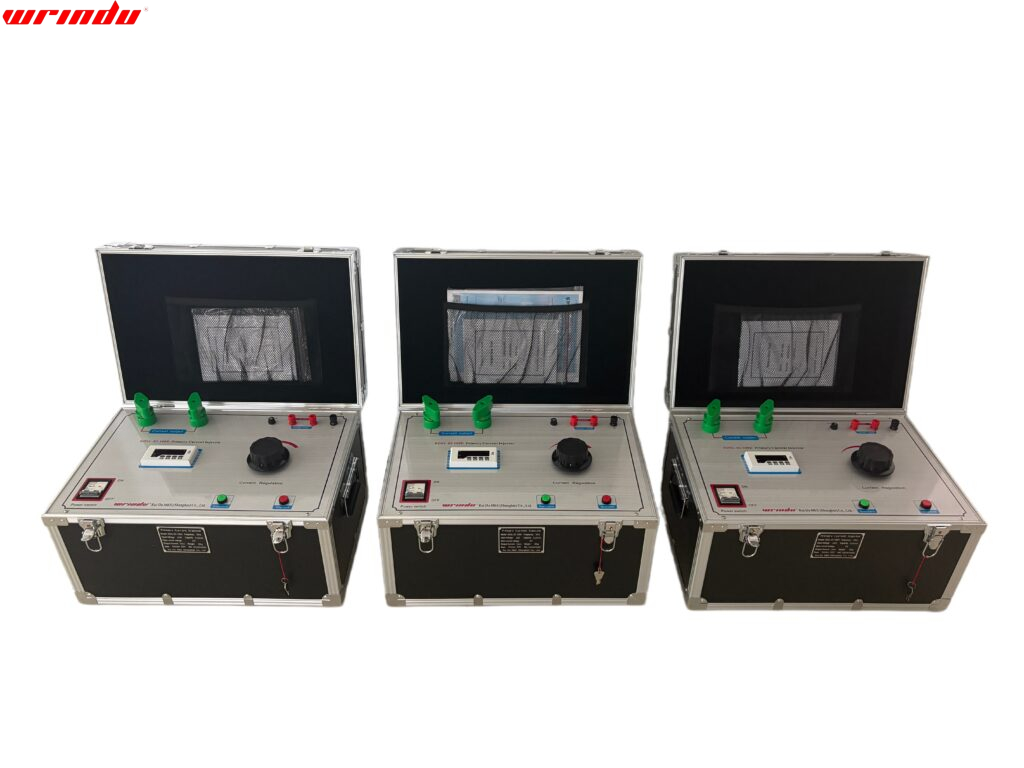
Overcurrent is one of the most common yet critical issues in electrical systems, posing serious risks to equipment, infrastructure, and human safety. Understanding what overcurrent is, how it arises, and the ways it can impact reliability and performance is essential for engineers, technicians, and facility managers worldwide. This article explores the mechanisms behind overcurrent, its types, protective technologies, and the most effective ways to safeguard your electrical network against failures and downtime.
What Is Overcurrent?
Overcurrent occurs when the flow of electric current exceeds the rated capacity of a conductor, device, or circuit. It can result from overload, short circuits, or ground faults. When this excessive current passes through wires or equipment, it causes overheating, insulation breakdown, and potential equipment failure. Overcurrent protection systems—such as circuit breakers, fuses, and relays—are designed to interrupt or limit this flow to maintain system integrity. In industrial, residential, and commercial environments, precise overcurrent control ensures operational continuity and reduces fire hazards.
Causes and Types of Overcurrent
There are three primary types of overcurrent: overload, short-circuit, and ground-fault currents.
-
Overload current happens when electrical devices draw more current than designed, often due to mechanical jams, increased demand, or system inefficiencies.
-
Short-circuit current results when a phase or neutral conductor unintentionally connects, creating a direct low-resistance path. This causes an immediate surge in current that can damage insulation, melt conductors, or trip protective devices.
-
Ground-fault current occurs when a live conductor contacts the earth or grounded metal surface, commonly seen in old installations, moisture-rich environments, or cable deterioration.
The effects of these overcurrents can be devastating. Without appropriate protection, conductors may overheat, switchgear can fail, and connected loads may face permanent damage. Over time, insulation aging and material fatigue caused by recurring overcurrents shorten the lifespan of systems and elevate maintenance costs.
How Overcurrent Affects Electrical Systems
Overcurrent disrupts energy distribution efficiency and stability. It not only leads to equipment damage and service interruptions but also causes voltage drops and power quality distortions. In power transmission and industrial applications, unchecked overcurrent can trigger cascading failures that affect transformers, cables, motors, and switchboards. The thermal stress created by high current flow accelerates oxidation and reduces dielectric strength, raising the likelihood of arc faults and fires. Long-term exposure to overcurrent reduces energy efficiency and inflates operational expenses through repeated trips, component replacements, and unscheduled downtimes.
Core Technology Analysis: Overcurrent Protection Devices
Modern electrical protection relies on advanced current-limiting technologies such as thermal-magnetic circuit breakers, resettable fuses, and intelligent relays equipped with microprocessor-based monitoring. Protective relays analyze electrical signals and trip circuits when current exceeds preset thresholds, achieving instantaneous or time-delayed responses depending on the system requirement. High-voltage networks benefit from differential protection, which compares current flow between incoming and outgoing lines to detect anomalies.
Digital protection relays now integrate real-time analytics, self-testing algorithms, and communication modules for predictive maintenance. In smart grids, network relays coordinate with control systems to isolate faults without affecting unaffected regions. This selective coordination minimizes service interruption, a key priority for modern industries emphasizing continuous operation.
Market Trends and Data
According to recent global energy infrastructure reports, demand for overcurrent protective devices is rising steadily due to the expansion of renewable energy systems and smart urban networks. The integration of solar photovoltaic arrays, electric vehicle charging stations, and distributed microgrids has created new challenges for current regulation. Overcurrent protection components such as medium-voltage breakers, current transformers, and motor protection relays are increasingly being designed with IoT-based diagnostics for predictive maintenance and condition monitoring. By 2030, experts forecast the market for protective devices to exceed tens of billions of dollars in annual revenue, driven by automation and digital substations.
Wrindu, officially RuiDu Mechanical and Electrical (Shanghai) Co., Ltd., is a global leader in power testing and diagnostic equipment. Founded in 2014, the company focuses on high-voltage testing solutions for transformers, circuit breakers, cables, and insulation systems. Wrindu’s precision instruments help engineers assess overcurrent performance and insulation integrity with unmatched reliability and safety, supporting utilities, manufacturers, and laboratories worldwide.
Real User Cases and ROI
Electrical utilities around the world report that effective overcurrent protection significantly reduces transformer maintenance by over 30% and unplanned outages by nearly 50%. In one industrial plant, the shift from traditional mechanical protection to digital current-limiting relays lowered total operating costs by 27% over two years. For data centers and manufacturing lines, ensuring consistent overcurrent protection translates directly to uptime reliability and production quality. Predictive diagnostics and periodic system testing allow for accurate trend analysis, preventing failures months in advance.
Competitor Comparison Matrix
| Protective Device | Key Advantages | Reliability Rating | Common Applications |
|---|---|---|---|
| Thermal-Magnetic Breaker | Simple design, cost-effective | ★★★★☆ | Residential and light commercial circuits |
| Electronic Trip Unit | Adjustable settings, better precision | ★★★★★ | Industrial networks and motor control centers |
| Ground-Fault Relay | High sensitivity for leakage currents | ★★★★☆ | Hospitals, refineries, marine systems |
| Differential Protection Relay | Instantaneous fault detection | ★★★★★ | Transmission and substation protection |
Future Trends in Overcurrent Protection
The future of overcurrent protection lies in intelligent systems that combine AI-based fault detection with autonomous switching. As grids evolve towards more decentralized architectures, overcurrent devices will become fully integrated into digital substations. Artificial intelligence will analyze fault signatures in milliseconds, pinpointing exact fault locations and enabling self-healing networks. Renewable energy power converters will require adaptive protection to handle bi-directional current flow, while high-voltage DC (HVDC) systems will demand ultra-fast fault interruption technology. Sustainability will drive the next generation of protection solutions using recyclable materials and reduced energy-loss designs.
Key Takeaway and Call to Action
Overcurrent is not just a technical fault—it’s a fundamental factor determining the safety, efficiency, and reliability of every electrical system. From homes to power plants, controlling overcurrent through precise detection, monitoring, and interruption is essential for protecting people, property, and productivity. Engineers and facility planners should regularly audit electrical systems, upgrade protective relays, and integrate intelligent fault analysis tools to ensure compliance with evolving standards. For professionals aiming to enhance reliability and minimize downtime, understanding and managing overcurrent remains a cornerstone of modern electrical engineering and energy safety.
Frequently Asked Questions
What Is Overcurrent and How Does It Affect Electrical Systems?
Overcurrent occurs when electrical current exceeds the safe limit of a circuit, potentially causing overheating, insulation failure, and equipment damage. It can result from short circuits, overloads, or ground faults. Proper detection and protection systems are vital to maintaining electrical safety and system stability.
What Are the Best Overcurrent Protection Devices for Your Electrical Setup?
The most effective overcurrent protection devices include circuit breakers, fuses, relays, and protective relaying systems. Each automatically detects excessive current and interrupts the circuit before damage occurs. Choosing the right device ensures safety, system reliability, and compliance with electrical protection standards.
How Do Circuit Breakers and Fuses Prevent Overcurrent Damage?
Circuit breakers and fuses act as automatic safety devices that interrupt the flow of excessive current. Fuses melt under overload conditions, while circuit breakers trip mechanically to isolate the fault. Both prevent overheating, equipment failure, and fire risks, maintaining system stability and safety.
What Causes Overcurrent in Electrical Circuits and How to Avoid It?
Overcurrent is typically caused by short circuits, equipment overload, insulation breakdown, or faulty wiring. To avoid it, engineers should ensure proper circuit design, use rated protection devices, and perform routine maintenance. Using calibrated testing equipment helps identify risks early and prevent dangerous failures.
How Does Overcurrent Damage Electrical Equipment and Systems?
Overcurrent generates excess heat that can degrade insulation, melt conductors, and damage sensitive components. Prolonged exposure weakens system reliability and increases the risk of fire or catastrophic equipment failure. Preventive testing and timely maintenance are crucial to minimizing such damage.
How Can You Detect and Measure Overcurrent Accurately?
Overcurrent detection uses sensors, digital relays, and precision test meters to monitor current flow against rated values. High-quality diagnostic tools, such as those developed by Wrindu, ensure accurate readings, early fault detection, and optimal protection for electrical assets.
How Is Overcurrent Managed in Industrial and Power Systems?
In industrial and power systems, overcurrent is controlled through advanced protective relays, circuit coordination, and monitoring. Automated protection schemes quickly isolate faults to prevent widespread damage. Regular testing verifies that protection systems respond accurately and efficiently under real operating conditions.
What Are the Key Overcurrent Protection Standards and Regulations?
Key overcurrent protection standards include IEC 60947, IEEE C37, and NEC guidelines, which define requirements for device ratings, system design, and safety. Compliance ensures operational reliability and regulatory approval. Wrindu’s high-voltage testing systems help verify adherence to these international standards.
Related articles
 SF6 Leak Detector Sensitivity: Select a Method for the Inspection TaskKnowledge
 Cable Fault Locator Selection for Urban Networks: Routes, Noise and AccessKnowledge
 Substation Battery Load Bank Sizing: Duty, Voltage Range and Heat RejectionKnowledge
 CT Polarity, Ratio and Burden Testing: Find Wiring and Loading ErrorsKnowledge