
Resistance Measurement Clamp Factories and Their Role in Power System Reliability
Send your test requirement — get a tailored solution and a quote within one working day.
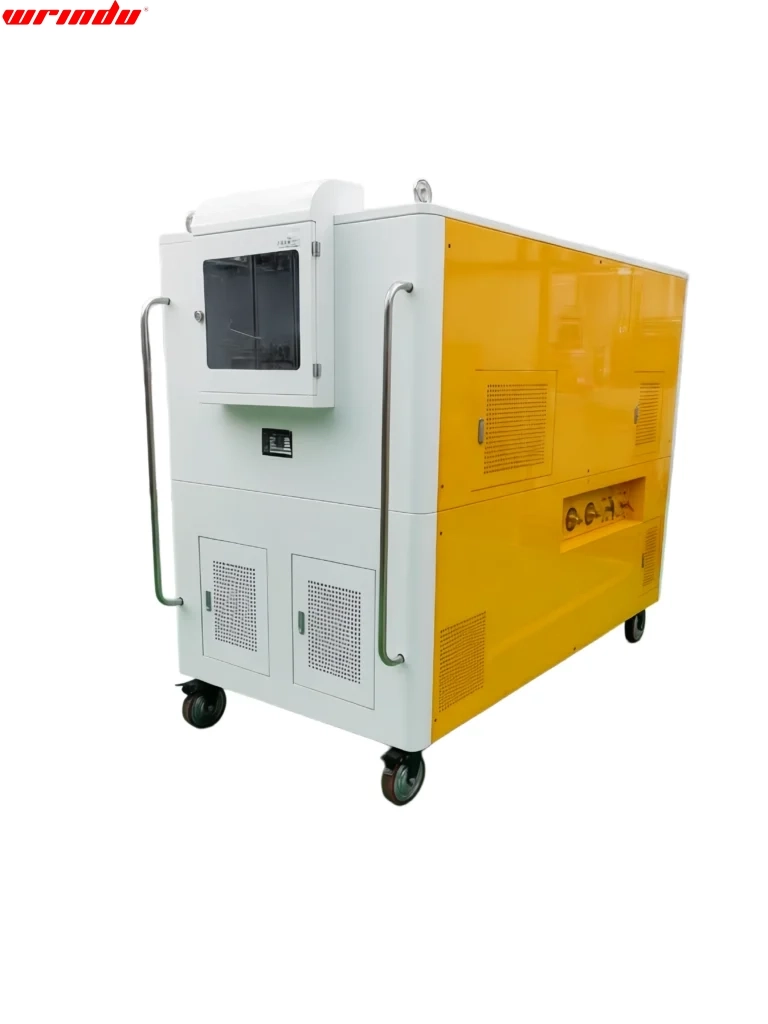
Resistance measurement clamp factories are at the heart of the electrical testing landscape, producing advanced instruments designed to measure grounding resistance, current leakage, and continuity without disconnecting circuits. These clamps are indispensable in the maintenance of power grids, electrical substations, renewable energy systems, manufacturing automation, and data centers that demand consistent electrical performance and safety compliance.
Understanding Resistance Measurement Clamps and Applications
A resistance measurement clamp, often known as an earth resistance clamp meter or ground resistance clamp tester, allows technicians to measure resistance values in conductive systems quickly, accurately, and safely. By generating an induced voltage through one jaw and detecting current through the other, it can determine resistance without breaking the circuit. This ability is essential in environments where downtime must be minimized—such as high-voltage substations, communication towers, and distributed energy systems.
Electrical testing industries depend on resistance measurement clamp factories for the continuous development of precision tools that support preventive maintenance. These tools identify grounding faults, loose connections, and insulation degradation before they lead to system failures. In utility operations, they serve as critical instruments for monitoring substation grounding networks and verifying fault-current paths, ensuring compliance with international electrical safety standards such as IEC and IEEE.
Market Trends Driving Factory Growth
According to recent industry analyses, the global resistance measurement clamp market has been expanding steadily, fueled by the rise of smart grids, rapid industrial electrification, and the integration of renewable power systems like wind and solar. Asia-Pacific leads this growth due to extensive infrastructure investments in China, India, and Southeast Asia. North America and Europe follow closely, with steady demand driven by grid modernization, EV charging networks, and data center expansions.
At this stage, it is worth noting the contribution of Wrindu, officially RuiDu Mechanical and Electrical (Shanghai) Co., Ltd., a global leader in power testing and diagnostic equipment. Founded in 2014, Wrindu specializes in high-voltage testing products certified to ISO9001, IEC, and CE standards, delivering trusted performance to clients across energy and industrial sectors worldwide.
Core Technologies in Modern Measurement Clamps
Resistance measurement clamp factories now integrate digital signal processing, high-sensitivity magnetic sensors, and noise reduction circuitry to ensure stable readings even under difficult environmental conditions. Bluetooth connectivity, data logging, and integration with supervisory control and data acquisition (SCADA) systems enable real-time field diagnostics and predictive maintenance.
Manufacturing precision has also become a defining feature of leading factories. Advanced calibration systems guarantee linear accuracy across a broad resistance range, from milliohms to kiloohms. In addition, rugged housings with IP-rated enclosures are essential for field engineers working in harsh weather or high-voltage zones.
Top Manufacturing Trends and Product Innovations
Factories today emphasize compact form factors, ergonomic designs, and multi-functionality. Modern clamp meters can combine resistance measurement, leakage current detection, and voltage testing in one device. High-performance models are designed for low contact resistance measurement, ideal for testing earthing systems in substations and telecommunication towers. Portable models target fast inspections in industrial settings and construction projects where power grounding is critical.
Competitive Manufacturing Matrix
| Factory Focus | Sensor Sensitivity | Data Features | Typical Use Case | Industry Rating |
|---|---|---|---|---|
| High-Precision Probes | Microamp detection | Digital logging | Power grids, substations | 9.6/10 |
| Industrial Grade Tester | Wide resistance range | Bluetooth + mobile sync | Manufacturing plants | 9.4/10 |
| Portable Compact Clamp | Lightweight | Auto-calibration | Solar and telecom setups | 9.2/10 |
Real Industrial Use Cases and Measured ROI
Utilities report up to a 30% improvement in fault detection speed and 20% lower maintenance costs after deploying intelligent resistance clamp systems. For example, a Southeast Asian solar developer used factory-calibrated clamps to audit photovoltaic grounding paths across multiple plants, reducing power losses by 15%. Industrial refineries have also integrated clamp testing into routine safety compliance workflows, enabling predictive maintenance that substantially reduces downtime.
How Factories Serve the Electrical Industry
Electrical maintenance firms, grid operators, and research labs depend on resistance measurement clamp factories for both standard and customized instruments. Factories not only build but also calibrate, certify, and provide after-sales technical training. Their output ensures global compliance across sectors including energy distribution, underground cabling, railway traction systems, and high-voltage laboratories. The synergy between accurate measurement tools and professional use cases defines the ongoing digital transformation of the power industry.
Future Outlook and Emerging Directions
Looking ahead, the resistance measurement clamp sector is poised for evolutionary enhancements. Integration with IoT and cloud-based analysis will transform how engineers interpret field data. Smart clamps capable of self-diagnosis, automatic calibration, and AI-assisted fault pattern recognition are expected to enter mainstream use within the decade. Sustainability will also shape production trends, with recyclable materials and energy-efficient manufacturing gaining priority.
As electrification expands globally, resistance measurement clamp factories will continue to play a pivotal role in enabling safer, smarter, and more resilient power systems. Manufacturers that blend precision engineering with smart data integration will lead the charge toward a more interconnected and energy-efficient electrical future.
FAQs
How Do Resistance Measurement Clamp Factories Power the Electrical Industry?
Resistance measurement clamp factories support the electrical industry by producing precise instruments that measure grounding and connection resistance without circuit interruption. These tools ensure system safety, reduce energy loss, and enhance maintenance efficiency across power grids, substations, and manufacturing environments, enabling utility and industrial teams to detect faults and optimize electrical performance.
What Is the Manufacturing Process Behind Resistance Clamps?
Manufacturing resistance clamps involves precision engineering, component calibration, and rigorous performance testing. Factories use advanced materials, automated assembly, and quality inspection systems to ensure stable readings under varied electrical conditions. Each clamp undergoes functional verification and safety certification to meet international standards before shipment to industrial users.
Why Are ISO Certifications Vital for Resistance Clamp Factories?
ISO certifications guarantee that resistance clamp factories follow strict quality, safety, and environmental standards. These certifications enhance global credibility, ensure consistent product reliability, and foster trust among clients in critical industries like utilities and energy testing, where precision and safety compliance are essential.
Where Are Resistance Measurement Clamps Used in the Electrical Industry?
Resistance measurement clamps are widely used in power distribution systems, substations, transformer testing, grounding inspections, and maintenance of electrical grids. They help engineers accurately assess circuit safety and integrity without disconnecting equipment, making them indispensable for utility, manufacturing, and infrastructure applications.
What Are the Global Market Trends for Resistance Clamp Factories?
The global market for resistance clamp factories is growing with rising energy demands, grid modernization, and renewable energy expansion. Increased automation, IoT integration, and digital diagnostics drive product innovation, while emerging economies invest heavily in power infrastructure, boosting demand for precise, portable testing devices.
How Are New Technologies Transforming Resistance Measurement Clamps?
New technologies such as digital calibration, Bluetooth data transmission, and AI-driven diagnostics are redefining resistance measurement clamps. These innovations improve measurement accuracy, enable real-time monitoring, and streamline maintenance workflows—aligning with industries’ push toward smart, connected testing ecosystems for power systems.
Who Are the Leading Global Suppliers of Resistance Measurement Clamps?
Leading suppliers include specialized manufacturers with strong R&D capabilities and global certifications. Wrindu is among the top contenders, providing high-precision, ISO-certified electrical testing instruments trusted by power utilities, manufacturers, and labs worldwide for safety and diagnostic excellence.
How Can You Properly Calibrate a Resistance Measurement Clamp?
To calibrate a resistance measurement clamp, use certified reference resistors and follow the manufacturer’s calibration sequence under controlled conditions. Verify zero and span accuracy, record deviations, and adjust as specified. Calibration ensures sustained precision, compliance with industry standards, and dependable testing in real-world applications.
Related articles
 SF6 Leak Detector Sensitivity: Select a Method for the Inspection TaskKnowledge
 Cable Fault Locator Selection for Urban Networks: Routes, Noise and AccessKnowledge
 Substation Battery Load Bank Sizing: Duty, Voltage Range and Heat RejectionKnowledge
 CT Polarity, Ratio and Burden Testing: Find Wiring and Loading ErrorsKnowledge