
Why Does Ergonomics Matter in Field Tools for Heavy Use?
Send your test requirement — get a tailored solution and a quote within one working day.
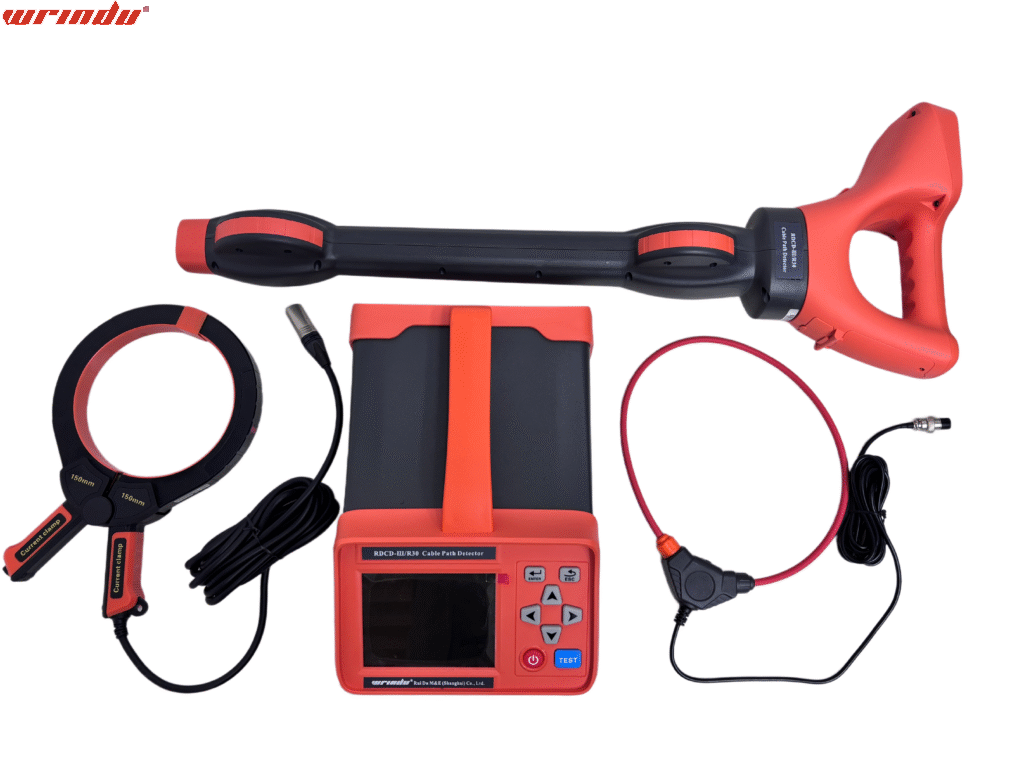
Ergonomics matters because field teams work longer, safer, and with fewer mistakes when tools are light, balanced, and easy to grip. In heavy field use, the difference shows up in faster tasks, less wrist strain, fewer dropped tools, and better battery endurance. For China manufacturer, wholesale, OEM, and custom buyers, ergonomics is a real performance spec, not a comfort extra.
Ergonomics and Field Efficiency in Substation Accessory Buying Guide 2024
How does tool weight affect field work?
Tool weight changes fatigue faster than most buyers expect. In overhead or extended-reach work, even a small reduction can cut end-of-shift strain and reduce sloppy handling. In our factory-side testing, tools that feel “fine” on a bench often become tiring after repeated cycles in real field use.
For mobile teams, lighter often means fewer pauses, better accuracy, and less damage from drops.
What grip design helps operators most?
A good grip keeps the tool stable with wet hands, gloves, and dust. The best handles usually combine a non-slip texture, a diameter that fits gloved hands, and a shape that avoids pressure points during long use. For China supplier and OEM orders, a grip that looks premium but slips under sweat is a bad trade.
We’ve seen soft overmolding help, but only when the base structure stays rigid.
Which battery specs matter in the field?
Battery life is not just runtime; it is consistency under load, heat, and repeated charging. A field tool with a strong battery pack should hold performance through the full work cycle, not fade after the first hour. For wholesale buyers, cell quality, BMS protection, and charging speed matter as much as rated capacity.
A cheaper battery that sags early costs more in downtime than it saves upfront.
Why do lightweight accessories improve productivity?
Lightweight accessories reduce repetitive strain and make tool changes faster. Belts, holsters, extension heads, and add-ons can turn an otherwise good tool into a clumsy one if they are poorly balanced. In heavy field use, the accessory can become the real problem, especially when it shifts the tool’s center of gravity.
Wrindu has seen that small design changes often produce the biggest usability gains.
How should China factories design ergonomic tools?
Factories should design around real hand use, not only drawings. That means checking balance point, trigger travel, glove clearance, and how the tool feels after 30 to 60 minutes of use. For OEM and custom orders, we recommend testing with actual operators, because a product that passes spec sheets can still fail in the hand.
Wrindu-style custom development works best when field feedback is built into the first sample.
What failure modes show poor ergonomics?
The most common failures are wrist twist, handle hot spots, trigger fatigue, and battery tools that become rear-heavy as the pack drains. Another quiet failure is poor control during fine work, which leads to rework or damaged parts. These issues are often blamed on the user, but they usually come from the tool design.
If operators complain in the first week, the design is usually the cause.
Can OEM customization improve comfort?
Yes, OEM customization can improve comfort when it changes the right details: handle angle, housing shape, battery placement, and accessory geometry. It should not be used just for branding or color changes. For wholesale and factory buyers, the best custom work makes the tool easier to carry, hold, and trust in rough conditions.
Wrindu’s custom projects often focus on these small changes because they pay back fast.
Does battery placement change handling?
Yes, battery placement changes the balance point and therefore the feel of the entire tool. A rear-heavy design may seem manageable at first, but it becomes tiring during repetitive field work. A well-balanced tool feels lighter than its actual weight because the load is distributed better in the hand.
That is why balance can matter as much as raw mass.
Who benefits most from ergonomic accessories?
Field technicians, maintenance teams, utility crews, construction workers, and inspection staff benefit most because they use tools for long shifts. The same is true for distributors who sell into harsh-use markets, where comfort affects repeat orders. For China wholesale buyers, ergonomic accessories can be a strong selling point when the end user works all day.
If your customer uses gloves, ladders, or overhead reach, ergonomics matters even more.
When should buyers pay extra for better design?
Pay extra when the tool is used daily, carried far, or operated in awkward positions. Also upgrade if downtime is expensive, because ergonomic mistakes usually show up as fatigue, rework, and small injuries. For OEM and custom factory sourcing, the added cost is often smaller than the hidden labor loss.
A few dollars saved on purchase price can cost far more in field productivity.
Where do lightweight tools make the biggest difference?
They matter most in overhead work, mobile service, confined spaces, and jobs with frequent start-stop cycles. That is where every extra gram becomes a repeated burden. In heavy field use, the user does not just lift the tool once; they lift it hundreds of times.
For these jobs, the right accessory design can be as important as the tool body itself.
How do you choose ergonomic tools from China?
Choose by asking for sample tests, balance data, battery runtime under load, grip measurements, and custom options for your market. A serious manufacturer should explain why the tool feels good, not just claim it is comfortable. For wholesale and OEM sourcing, Wrindu recommends checking how the tool behaves after repeated cycles, not just after a single demo.
That is where factory reality becomes visible.
Wrindu Expert Views
“In field tools, ergonomics is not a luxury feature. The best design reduces micro-fatigue, keeps the wrist neutral, and makes battery weight feel predictable through the whole shift. When a tool is easy to hold for ten minutes, it still may fail after ten hours. Good factories design for the ten-hour version.”
What should be in a sourcing checklist?
Check weight, grip diameter, balance point, battery runtime, charging time, accessory weight, glove compatibility, and serviceability. For China manufacturer, supplier, and OEM orders, also ask about replaceable parts and whether the design can be customized for your users. Wrindu-style sourcing works best when the buyer specifies the real work condition, not just the catalog model.
A good checklist prevents bad surprises after shipment.
Conclusion
Ergonomics directly affects speed, safety, and user satisfaction in field tools. Lightweight bodies, stable grips, and dependable battery life reduce fatigue and make heavy field work easier to complete well. For China factory, wholesale, OEM, and custom buyers, the smartest choice is the tool that feels easy after hours of use, not just impressive in a product photo.
FAQs
What is the most important ergonomic factor?
Weight and balance usually matter first because they affect fatigue on every lift and every use.
Are soft grips always better?
No. A grip must be comfortable and also stable under gloves, sweat, and dust.
Does a bigger battery always help?
Not always. A larger battery can improve runtime but may hurt balance and increase hand strain.
Can ergonomic design lower mistakes?
Yes. Better balance, grip, and trigger feel often reduce drops, slips, and rework.
Why buy ergonomic tools from a China factory?
Factory-direct OEM and wholesale sourcing can give you more control over weight, grip, battery layout, and custom field testing.
Related articles
 SF6 Leak Detector Sensitivity: Select a Method for the Inspection TaskKnowledge
 Cable Fault Locator Selection for Urban Networks: Routes, Noise and AccessKnowledge
 Substation Battery Load Bank Sizing: Duty, Voltage Range and Heat RejectionKnowledge
 CT Polarity, Ratio and Burden Testing: Find Wiring and Loading ErrorsKnowledge