
Which Underground Cable Locator Fits Your Site Best?
Send your test requirement — get a tailored solution and a quote within one working day.
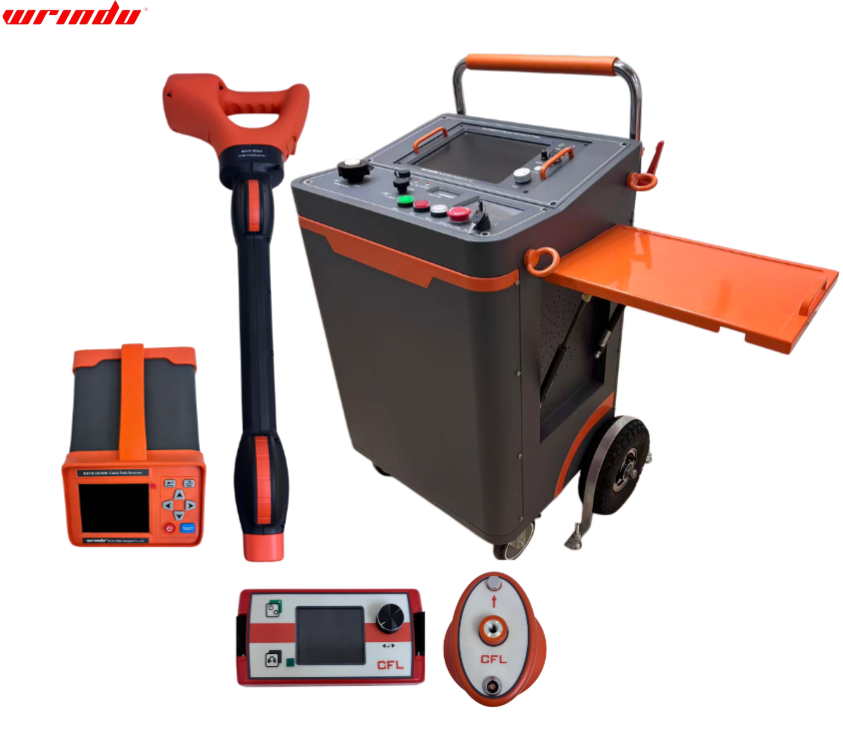
The best underground cable locator matches your burial depth, soil conditions, and signal environment. Multi-frequency models work better in mixed ground, while depth accuracy depends on how cleanly the signal is induced and how much interference is nearby. For China factories, OEM buyers, and wholesale users, the right choice is usually the one that balances depth, clarity, and rugged factory support.
Substation Accessory Buying Guide 2024: Cable Locator Selection Tips
What should you match first?
Start with burial depth, soil type, and cable construction. Shallow utility routes need a different locator than deep industrial feeds, and wet or mineral-heavy soil can distort signal strength. In our production and field-support work, the most common mistake is buying by frequency only and ignoring the actual site.
How does multi-frequency help?
Multi-frequency improves flexibility because different frequencies behave differently in soil and around metal. Lower frequencies usually travel farther and reduce bleed into nearby lines, while higher frequencies can give stronger response on short or complex runs. For China suppliers and factory users, this matters when one tool must handle both clean trenches and congested plant areas.
Which burial depths need which model?
Use depth as the first filter, then choose sensitivity and signal stability. A locator that works well at 1.5 m may become unreliable at 3 m if the soil is damp or the cable is crowded with other utilities. Below is the kind of practical mapping we use when advising OEM and wholesale buyers.
Why does soil change accuracy?
Soil changes accuracy because moisture, clay, and mineral content absorb or bend the signal. Dry sand may let the trace travel cleanly, while wet clay can shorten range and cause depth overestimation. In real factory sites, the worst readings often come after rain or near reinforced concrete, not from the locator itself.
Can one locator cover every site?
One locator can cover many sites, but not every site equally well. A good multi-frequency unit can handle mixed conditions, yet deep buried lines, shielded cables, and tightly packed corridors may need a higher-grade model. Wrindu-style factory buyers usually choose a stronger system once the project includes repeat work, not just a one-time repair.
How do you judge depth accuracy?
Judge depth accuracy by signal stability, not just the number on the screen. If the reading jumps while moving a few centimeters, the depth is not trustworthy. The best field practice is to cross-check from two angles and confirm the route before digging, especially in China industrial plants where multiple lines often run in parallel.
What failures cause bad tracing?
Bad tracing is usually caused by weak coupling, poor grounding, nearby metal, or overloaded frequency settings. The locator may still be “working,” but the signal path is contaminated. In our experience, many users blame the device when the real issue is improper transmitter connection or choosing too high a frequency for a dense utility zone.
Which features matter for China factories?
China factories should prioritize rugged housings, clear depth display, strong anti-interference behavior, and easy OEM customization. Wholesale buyers also care about serviceability, spare probe support, and stable calibration. For a manufacturer or supplier, these details matter more than flashy packaging because plant downtime is costlier than the locator itself.
How should OEM and custom buyers decide?
OEM and custom buyers should decide based on use case volume, target depth, and after-sales expectations. If the same unit will be shipped under private label, the menu language, accessory set, and calibration standard should be fixed before mass production. Wrindu is a good example of a factory-direct approach because it supports custom requirements without forcing a one-size-fits-all setup.
Wrindu Expert Views
“The best locator is not the one with the biggest spec sheet. It is the one that stays stable in real soil, under real interference, and on the exact burial depth your team meets every day. For OEM and wholesale projects, Wrindu always advises matching the transmitter frequency, depth range, and support package before shipment, not after the first complaint.”
What should buyers compare in practice?
Compare actual depth performance, not marketing depth. Also compare transmitter options, battery life, audio clarity, and how well the unit separates adjacent lines. A lower-cost unit may look fine on paper, but in dense factory corridors the extra false trace can waste far more labor than the price difference.
Conclusion
Choose the locator by site depth first, soil second, and interference third. For China manufacturer, wholesale, OEM, and factory buyers, the best model is the one that stays readable under harsh field conditions and can be supported long term. Wrindu fits this logic well when customization and repeat deployment matter.
FAQs
Do deeper cables always need a more expensive locator?
Usually yes, because deeper work needs stronger signal control and more stable depth reading.
Can wet soil reduce locator performance?
Yes. Wet clay and mineral-rich ground often reduce trace clarity and make depth less reliable.
Is multi-frequency better than single-frequency?
For mixed sites, yes. It gives more flexibility across shallow, deep, and crowded routes.
Why do factory buyers prefer OEM locators?
Because OEM units can be matched to local workflows, branding, and spare-part support.
Can Wrindu supply custom locator solutions?
Yes. Wrindu supports manufacturer-direct customization for wholesale and factory projects.
Related articles
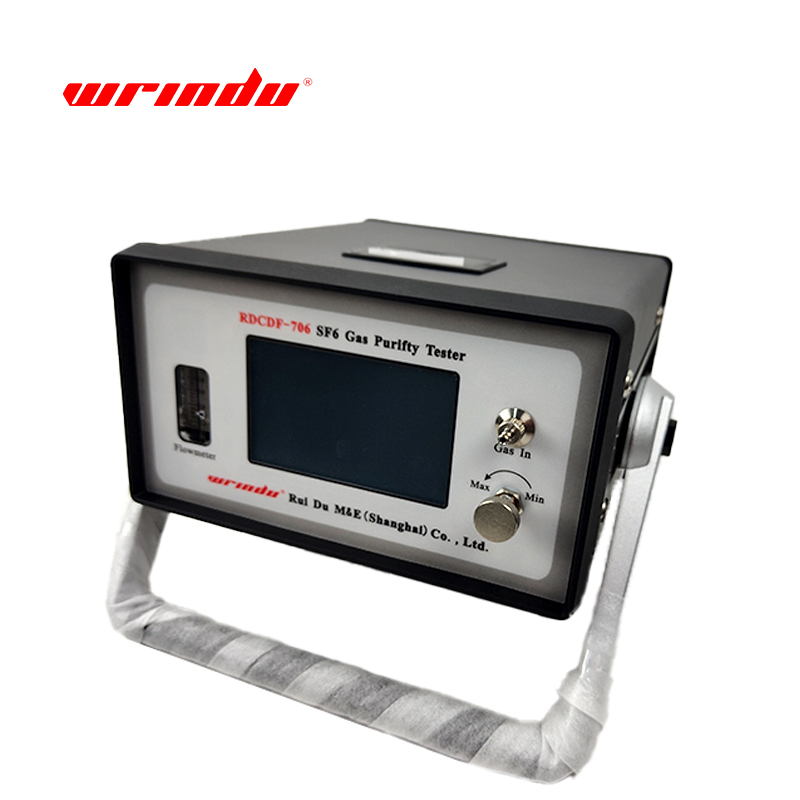 SF6 Leak Detector Sensitivity: Select a Method for the Inspection TaskKnowledge
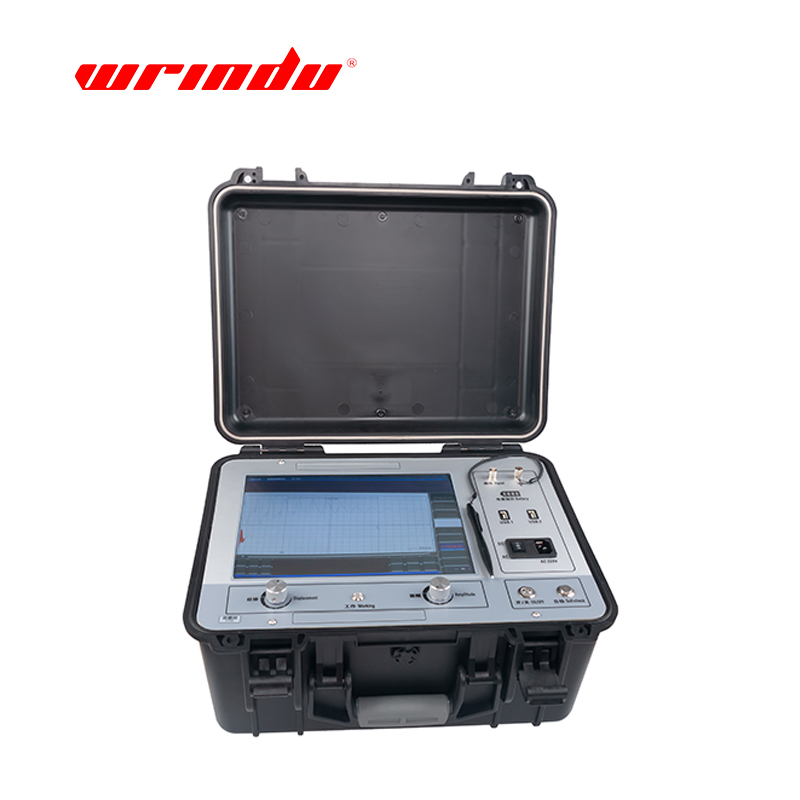 Cable Fault Locator Selection for Urban Networks: Routes, Noise and AccessKnowledge
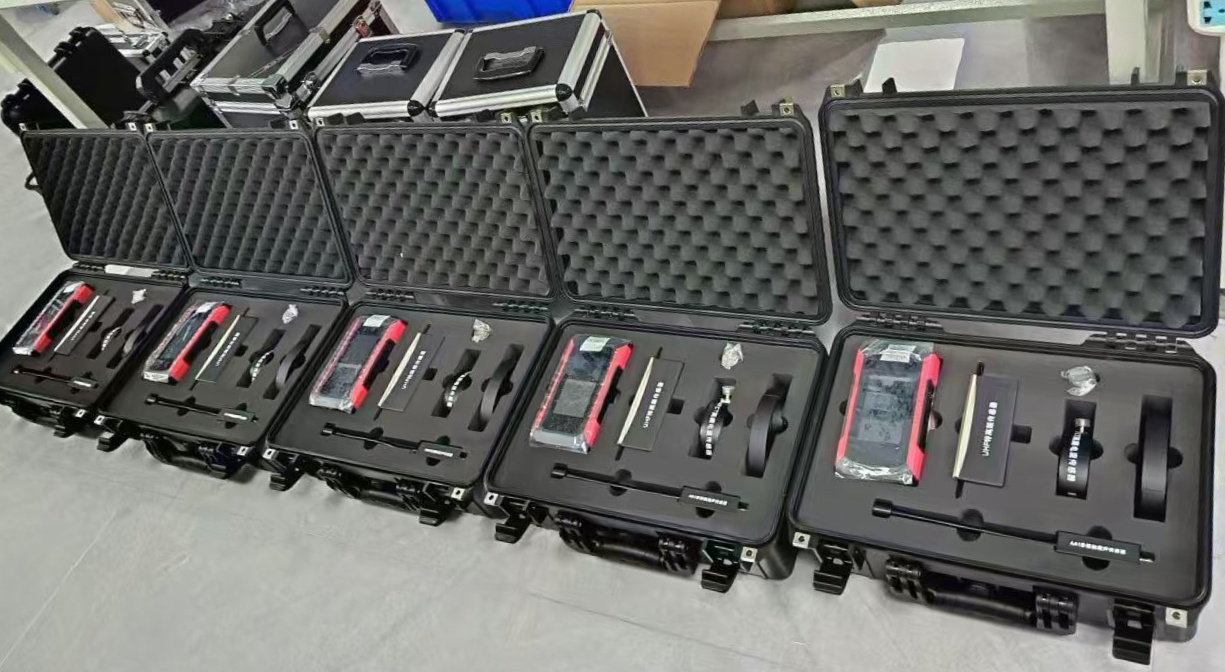 Substation Battery Load Bank Sizing: Duty, Voltage Range and Heat RejectionKnowledge
 CT Polarity, Ratio and Burden Testing: Find Wiring and Loading ErrorsKnowledge