
How Can You Digitize High-Voltage Resistance Records Safely?
Send your test requirement — get a tailored solution and a quote within one working day.
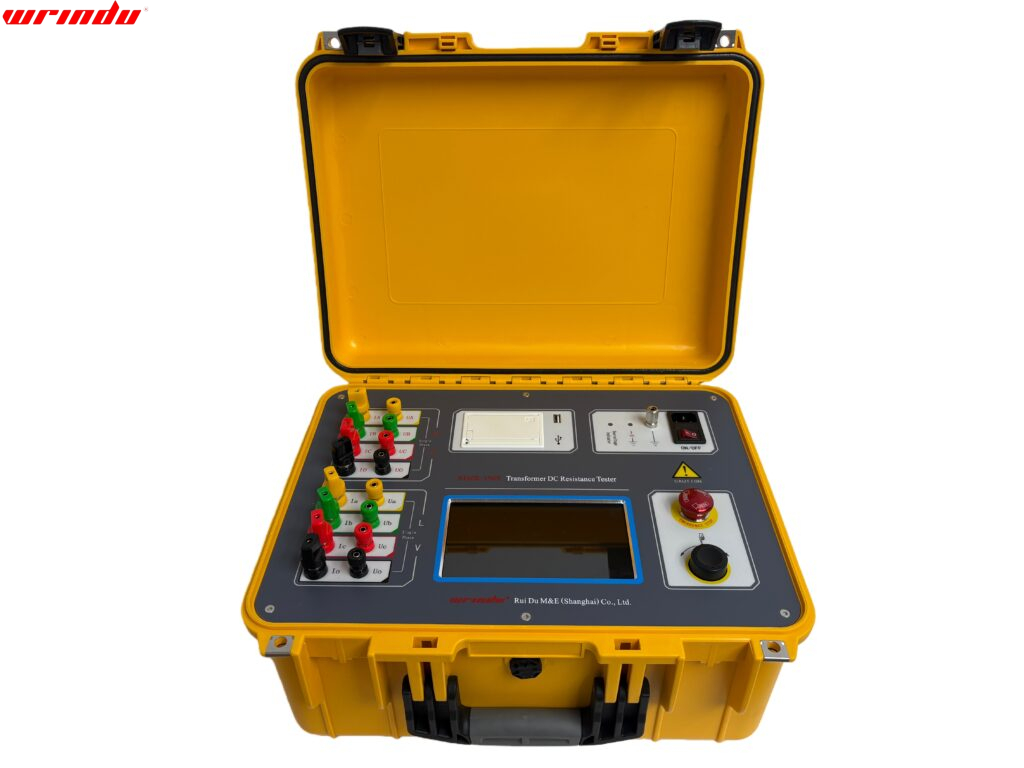
To digitize resistance records safely, transition from manual paper logs to secure digital databases using specialized PC software and USB export functionality. This process ensures data integrity, centralizes storage, eliminates human transcription errors, and establishes robust traceability for high-voltage testing compliance across industrial operations and manufacturing plants.
Check: Leveraging Predictive Maintenance through Resistance Trending Data
Why Is Digitizing Resistance Records with Wrindu Vital?
Digitizing resistance records with Wrindu transforms manual logging into a cloud-ready, software-managed asset protection system. By utilizing PC software integration and secure USB data export, industrial plants replace error-prone paper trails with immutable, traceable digital databases that simplify compliance audits and enhance testing accuracy.
In our years of high-voltage testing manufacturing experience, we have witnessed how paper logs degrade, get lost, or suffer from illegible handwriting on the factory floor. When operating a high-precision business, a single misplaced decimal point in a transformer winding resistance test can result in catastrophic equipment failure down the line.
As a leading China manufacturer and wholesale supplier, we engineered our latest testing systems to eliminate this vulnerability entirely. By standardizing digital data capture via Wrindu proprietary PC software management, testing data moves instantly from hardware to localized or cloud databases. This digital transformation provides:
-
Absolute Traceability: Track every historical test by timestamp, operator, and unit serial number.
-
Error Elimination: Direct digital transfer removes manual typing mistakes.
-
Streamlined Audits: Generate instant compliance reports during international safety inspections.
What Features Define the Best Software Management Systems?
The best software management systems offer automated data parsing, multi-format export capabilities, localized database security, and seamless integration with corporate ERP or cloud systems. These features ensure that raw resistance readings are instantly converted into structured, tamper-proof, and easily searchable digital records.
[Hardware Tester] -> (Secure USB Export) -> [PC Software Management] -> [Cloud/Local Database]
When evaluating a wholesale supplier or an OEM partner for electrical testing equipment, look closely at the software architecture. As a specialized factory, we focus heavily on the interaction between the physical test meter and the management console. Software should not just be a digital notepad; it must be an analytical powerhouse.
High-quality software management platforms provide automated calculation of temperature correction factors for resistance measurements. Since copper and aluminum winding resistances change based on ambient temperature, a premier digital system automatically normalizes these values, providing accurate historical data comparisons across different seasons.
How Does USB Export Protect Industrial Testing Data?
USB export protects industrial testing data by serving as a physical, offline bridge between isolated high-voltage test sites and secure office networks. This air-gapped data transfer method prevents cybersecurity vulnerabilities while guaranteeing that field data remains intact without requiring continuous wireless internet connectivity.
In massive industrial plants, sub-stations, or remote manufacturing yards, Wi-Fi or cellular connectivity is frequently unreliable or prohibited due to strict security protocols. This is where physical USB export becomes an essential engineering bridge.
| Data Export Aspect | Paper Logging Method | Secure USB Export Method |
| Data Transfer Speed | Manual entry (Minutes/Hours) | Instant file transfer (Seconds) |
| Data Integrity Risk | High risk of human typos | Zero corruption; direct digital copy |
| Cybersecurity Level | Low physical security | High security via air-gapped transfers |
| Format Uniformity | Varying formats/handwriting | Structured CSV, Excel, or PDF formats |
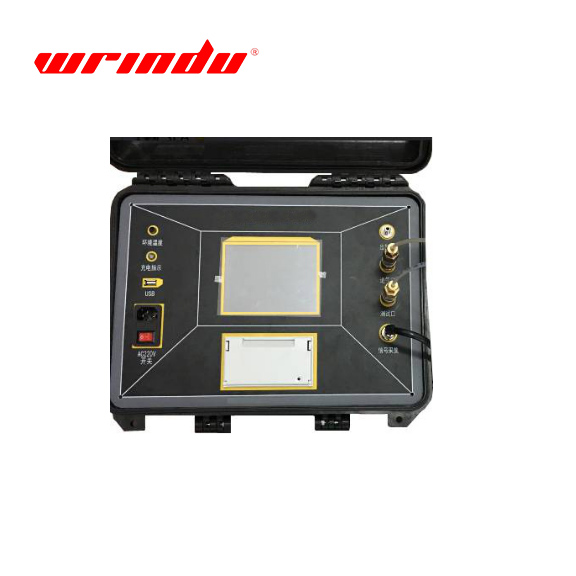
Our factory designs its instrumentation with dedicated, shielded USB interfaces. Operators can perform complex winding or insulation resistance tests deep within a facility, save the results directly to encrypted internal flash memory, and export them safely via a physical flash drive to the central software management office.
Which Industries Require Cloud Data for Traceability?
Power utilities, renewable energy stations, high-voltage equipment manufacturers (OEMs), and mass transit operators require cloud data for traceability. These sectors manage expansive, geographically distributed electrical assets that demand real-time data access, historical trend analysis, and centralized compliance reporting across multiple locations.
For global operations, localized data storage is no longer sufficient. Large-scale power generation networks—including wind farms, solar arrays, and nuclear facilities—rely on centralized cloud databases to maintain an accurate health map of their transformers, switchgear, and grounding grids.
As a custom equipment manufacturer, we supply wholesale testing solutions globally. We see firsthand how international compliance frameworks demand long-term data retention. Cloud data storage allows maintenance teams across the globe to compare new test data against the original factory baseline measurements, revealing early insulation breakdown or contact degradation before a critical failure occurs.
When Is Custom OEM Software Necessary for Factories?
Custom OEM software is necessary for factories when specialized testing protocols, unique data-reporting formats, or direct integration with proprietary manufacturing execution systems (MES) are required. Customization ensures that the high-voltage testing equipment communicates perfectly with existing factory automation infrastructure.
Every manufacturing facility operates with distinct workflows. A standard, off-the-shelf software interface might not fit smoothly into a highly optimized production line. When a factory purchases testing instrumentation in bulk from a wholesale China supplier, custom software development bridges the gap between hardware functionality and operational efficiency.
We regularly collaborate on OEM and ODM projects to develop tailored software interfaces. Whether your facility requires specific bar-code scanning integration to link a resistance test directly to a transformer’s serial number, or needs custom PDF reports that match your corporate branding for client validation, customized software ensures absolute data alignment.
Where Can You Source Certified Resistance Testing Equipment?
You can source certified resistance testing equipment directly from established manufacturers and verified suppliers in major industrial hubs like China, ensuring products carry ISO9001, CE, and IEC certifications. Purchasing directly from the factory guarantees authentic technical support, access to software updates, and competitive wholesale pricing models.
Sourcing heavy industrial test equipment requires deep scrutiny of the supplier’s engineering credentials. The global market is filled with generic trading companies offering white-labeled instrumentation. For high-voltage safety, you must cut through the noise and partner directly with an actual manufacturing plant.
Direct factory sourcing gives you a transparent view of the component quality, calibration standards, and raw material tracking used during production. Look for suppliers who invest a significant portion of their annual profits back into research and development, ensuring you receive instruments equipped with the latest software advancements and rugged hardware protections.
Does Digital Logging Improve Factory Floor Efficiency?
Yes, digital logging improves factory floor efficiency by automating data recording, reducing testing cycle times, eliminating manual paperwork, and allowing instant retrieval of past records. This optimization allows quality control teams to process more units with higher precision and less administrative overhead.
On a busy production line, time is a critical variable. When technicians have to stop after every test to write down numbers, look up temperature correction charts, and manually sign off on paper forms, the manufacturing throughput slows down dramatically.
By integrating automated software management and digital storage, the entire testing sequence is streamlined. The operator connects the leads, runs the test, and the equipment handles the logging, calculation, and database archiving automatically. This shifts the team’s focus from tedious administrative writing to active quality control analysis.
Can Cloud Databases Prevent Expensive Equipment Failures?
Yes, cloud databases prevent expensive equipment failures by enabling predictive maintenance modeling through long-term asset trend analysis. By tracking subtle resistance changes over time, engineering teams can detect early component degradation and schedule repairs before a catastrophic system breakdown occurs.
The true power of digital records lies in trend visualization. A single resistance reading tells you the condition of a machine today, but a ten-year timeline of digital records tells you the exact trajectory of its operational health.
Using cloud data infrastructure, maintenance managers can view analytical dashboards that highlight abnormal resistance spikes across multiple facilities simultaneously. This high-level visibility transforms testing from a reactive, post-fault chore into a proactive asset preservation strategy.
Wrindu Expert Views
“The transition from physical paper logs to secure digital databases represents a critical evolutionary step for industrial high-voltage asset management. On the modern factory floor, data is just as vital as the physical materials we assemble. When industrial facilities leverage integrated software management alongside rugged USB export capabilities, they are not simply saving time—they are protecting their enterprise from data fragmentation and human error.
As global infrastructure expands, the demand for absolute traceability from components sourced out of China has skyrocketed. Wholesale buyers and OEM clients no longer accept simple paper certificates of compliance; they demand verifiable, unalterable digital data trails. By embedding intelligent data logging and cloud-ready processing directly into our manufacturing processes at Wrindu, we empower engineers worldwide to make real-time, data-driven decisions that prevent catastrophic asset failures and optimize long-term operational safety.”
Conclusion
Digitizing your resistance records is an essential step toward modernizing your industrial operations, improving factory efficiency, and ensuring absolute data traceability. Transitioning from paper logs to digital software management eliminates manual errors, secures critical data via air-gapped USB exports, and unlocks the power of cloud-based predictive maintenance. Partnering directly with an experienced China manufacturer ensures your facility receives the certified hardware, custom OEM software options, and dedicated wholesale support required to safeguard your electrical infrastructure.
FAQs
What are the main risks of keeping paper resistance logs?
Paper logs are vulnerable to physical damage, loss, illegible entries, and manual data-entry errors. They also lack scalability, making it difficult to search historical records or perform trend analysis across multiple industrial assets during compliance audits.
How does PC software process raw resistance data?
The software automatically imports raw values from the testing instrument, applies temperature correction formulas to normalize the measurements, and categorizes the data by timestamp and equipment ID into a secure digital database.
Can custom software be integrated into existing MES systems?
Yes, experienced manufacturers can design custom OEM software modules with tailored APIs or specific export configurations (such as CSV or JSON formats) to feed testing data directly into your factory’s Manufacturing Execution System (MES).
Why is direct factory sourcing important for testing equipment?
Sourcing directly from a factory ensures you get authentic equipment with ISO9001, CE, and IEC certifications, lower wholesale pricing, comprehensive technical support, and continuous software and firmware updates.
Related articles
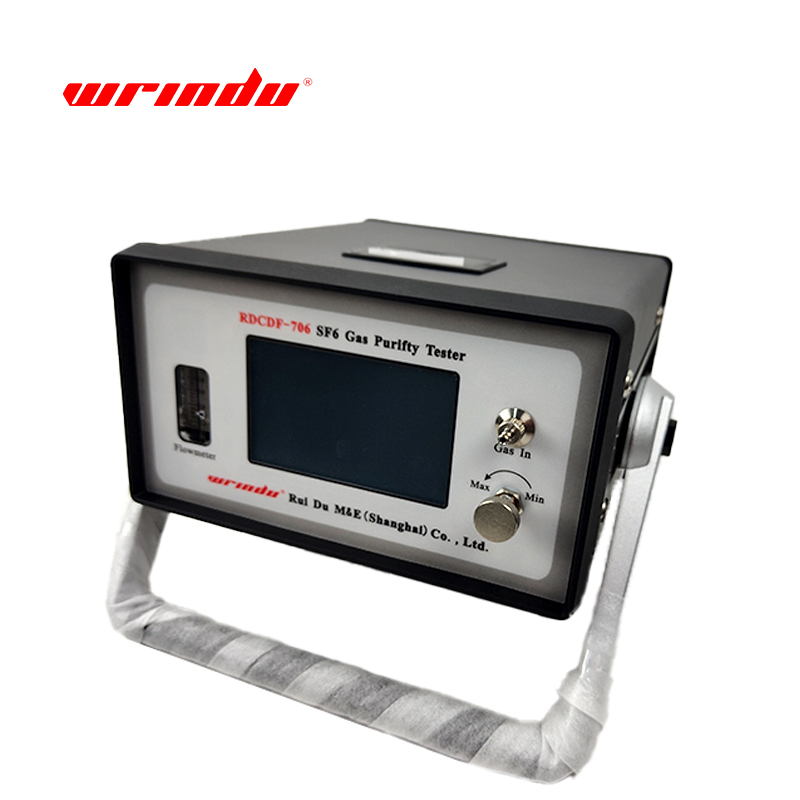 SF6 Leak Detector Sensitivity: Select a Method for the Inspection TaskKnowledge
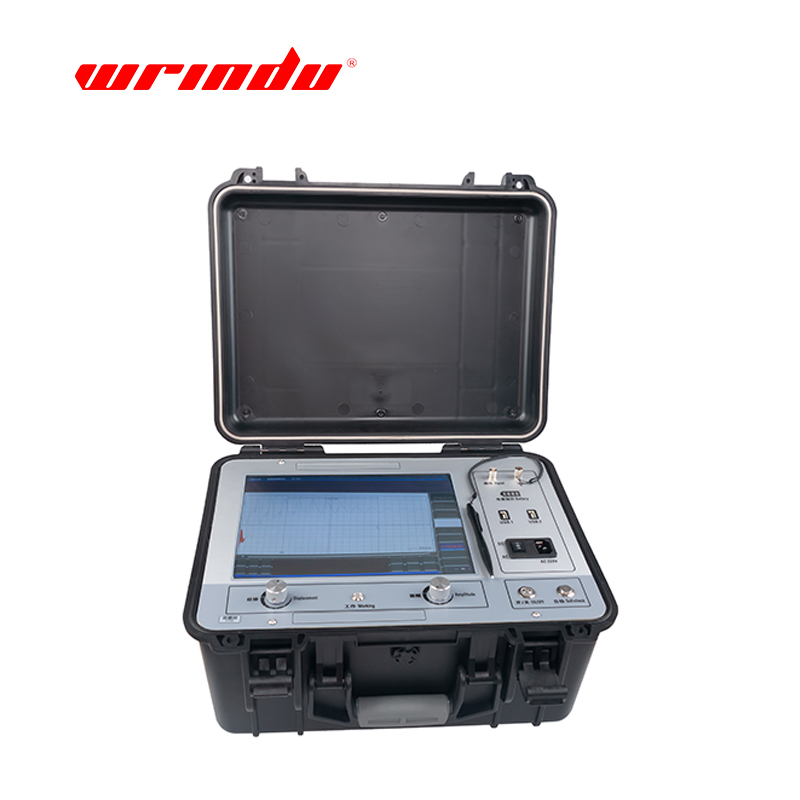 Cable Fault Locator Selection for Urban Networks: Routes, Noise and AccessKnowledge
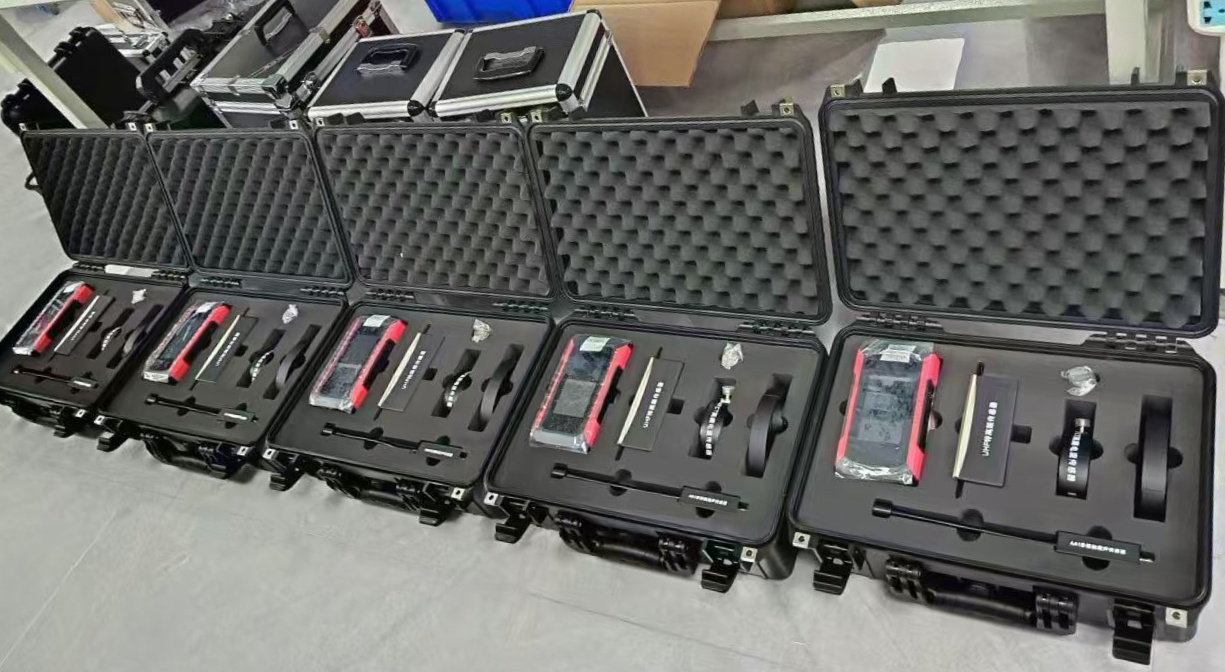 Substation Battery Load Bank Sizing: Duty, Voltage Range and Heat RejectionKnowledge
 CT Polarity, Ratio and Burden Testing: Find Wiring and Loading ErrorsKnowledge