
How to Comply with IEC 60364-7-717:2026 Mobile Earthing?
Send your test requirement — get a tailored solution and a quote within one working day.
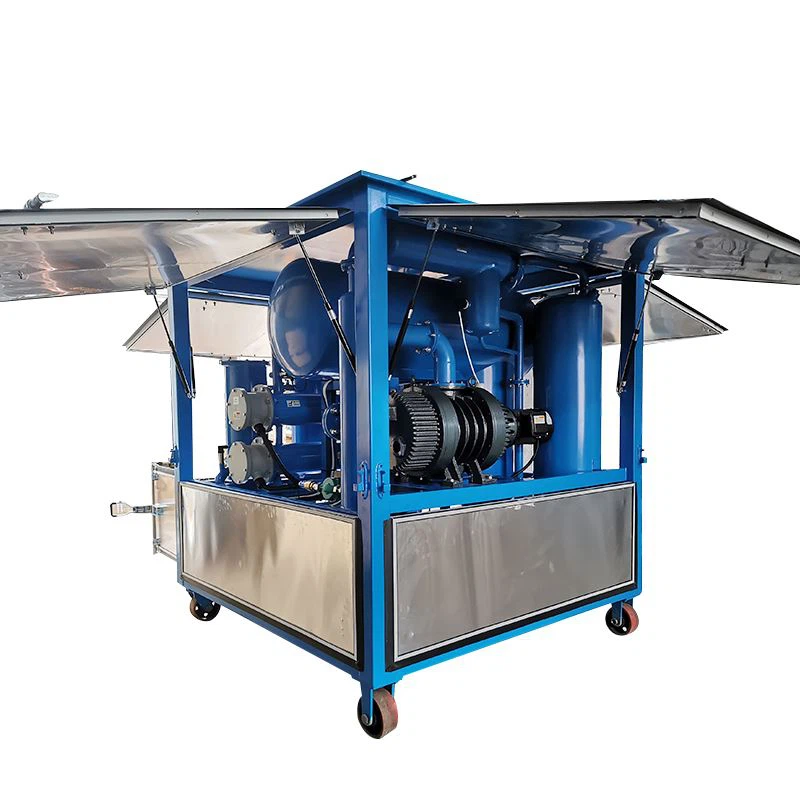
The IEC 60364-7-717:2026 standard mandates strict protective equipotential bonding for the metal shells and chassis of mobile and transportable units, while imposing harsh restrictions on ensuring a safe grounding resistance value in field environments without fixed grounding grids. Industrial operators can comply by implementing fast testing methods and portable, clamp-on instruments to quickly measure and verify reliable earthing paths.
What Is the Core Safety Mandate of IEC 60364-7-717:2026?
The IEC 60364-7-717:2026 standard governs low-voltage electrical installations within mobile or transportable units, such as medical emergency vehicles, field mobile cabins, and temporary power supply facilities used in post-disaster rescue operations. Driven by an increase in global extreme weather events, this technical update focuses squarely on eliminating shock hazards caused by floating potentials.
When a mobile facility operates in an off-grid or temporary field environment, it lacks the protective cushion of a permanent, deeply embedded factory grounding grid. The standard explicitly dictates that all exposed conductive parts—including the structural metal chassis, vehicle shell, and internal generator frames—must be bound together via a robust protective equipotential bonding system. As a leading high-voltage electrical testing equipment manufacturer and B2B global supplier, Wrindu has re-engineered its portable diagnostic lines to help field engineers validate these critical bonding pathways under harsh field conditions.
Why Is Field Grounding Resistance Harder to Manage Than Fixed Systems?
Fixed building installations rely on extensive, buried grounding networks engineered with stable soil chemistry and deep earthing rods that maintain an unchanging, low resistance profile over decades. In contrast, disaster-recovery vehicles, mining machinery, and mobile military shelters must deploy their electrical earthing components on the fly, often over unpredictable terrain such as rock, frozen soil, or dry sand.
Soil Resistivity and Environmental Obstacles
Without a local infrastructure network, technicians must drive temporary grounding stakes directly into the surface layer of the earth. Surface soil is highly susceptible to moisture evaporation and freezing, both of which cause soil resistivity to skyrocket. This volatility makes achieving a stable, low resistance measurement incredibly difficult. A high-voltage factory engineer understands that standard testing methods are slow and impractical during an emergency rollout.
| Deployment Scenario | Soil Type Characteristics | Average Soil Resistivity (Ω⋅m) | Earthing Difficulty Level |
| Permanent Factory Grid | Deep, compacted clay/loam | $30 – 100$ | Low (Engineered Grid) |
| Emergency Post-Disaster | Disturbed rubble, dry topsoil | $500 – 1,500$ | High (Variable Surface) |
| Remote Mining Site | Rocky strata, gravel surfaces | $2,000 – 5,000$ | Extremely Severe |
How Do You Select the Best Earthing Testing Tool for Mobile Units?
Selecting the right diagnostic equipment requires balancing international compliance with physical portability. Field crews cannot carry heavy, traditional laboratory testing sets into a disaster-recovery zone. The application demands compact, rapid testing all-in-one instruments capable of delivering high-accuracy data despite external electrical noise.
As an experienced OEM and custom supplier in China, our production lines emphasize ruggedized, portable clamp-on ground resistance testers and multi-function earth testers. When selecting an instrument for field deployment, check for these vital technical specifications:
-
High Anti-Interference Capability: Field deployment often occurs near running heavy machinery or active emergency generators that introduce massive stray currents and electromagnetic noise into the soil.
-
Dual-Clamp Testing Methods: Look for devices that allow non-contact loop resistance measurements without disconnecting the auxiliary earth stakes, saving vital setup time during emergency rescue maneuvers.
-
Broad Resistance Range: The testing equipment must measure fractions of an ohm for equipotential bonding tracks, up to several thousand ohms to evaluate high-resistivity soils accurately.
How Does a Factory Ensure Compliance via OEM and Custom Manufacturing?
For specialized equipment integration, global vehicle bodybuilders and temporary shelter providers rely heavily on custom factory-level solutions. Meeting the exact requirements of IEC 60364-7-717:2026 means that testing instrumentation must be natively embedded or kitted perfectly within the mobile unit’s power distribution control panels.
Our manufacturing facility in China specializes in wholesale and OEM distribution of custom power testing kits. By controlling everything from PCB layout design to mechanical housing layout, we ensure that the testing equipment tolerates the high vibrations, extreme humidity, and thermal cycling characteristic of mobile emergency infrastructure. When purchasing from a direct supplier, engineering procurement teams can request customized firmware tailored to specific international threshold limits, enabling rapid pass/fail compliance checking at the press of a button.
Where Do Traditional Grounding Tests Fail in Disaster-Recovery Scenarios?
Traditional earthing tests, like the classic three-pole fall-of-potential test, require running long auxiliary wires across a wide area to place current and potential stakes. In a post-disaster rescue zone or a crowded mining camp, open space is a luxury. Debris, concrete pavement, or moving rescue vehicles make unspooling hundreds of meters of testing wire impossible or highly hazardous.
Furthermore, traditional instruments assume a static ground state. In dynamic field environments, ground conditions change by the hour as water pumps run or rain saturates the site. If an instrument requires multiple manual balancing steps, the reading becomes irrelevant before the test finishes. This operational bottleneck is why modern field standards call for rapid, direct-reading, handheld devices that sample ground paths instantaneously.
How Do Clamp-on and Portable Testers Solve Field Compliance Issues?
Wrindu Expert Views
“The implementation of the new standard fundamentally changes how we approach field electrical safety. In temporary, high-stress environments, safety cannot depend on labor-intensive testing processes. Our focus during product development has been to move advanced diagnostic precision out of the lab and directly into the technician’s hand.
By utilizing advanced digital filtering and dual-clamp induction technologies, our portable test sets isolate the true earthing resistance value without requiring auxiliary spike isolation. This allows emergency teams to confirm equipotential bonding integrity within seconds of deploying a mobile medical cabin or backup power truck. For global B2B procurement managers and system integrators, investing in factory-certified, ruggedized testing equipment is no longer an optional upgrade; it is a critical step in shielding personnel from dangerous fault currents in an increasingly volatile climate.”
Which Earthing Methods Maximize Safety under Extreme Field Conditions?
Achieving a safe earth connection when a permanent grid is unavailable requires a blend of advanced field techniques and proper grounding configurations. The updated standard allows for multiple independent approaches depending on the layout of the mobile unit and the availability of local structural steel.
Strategic Field Grounding Approaches
-
Independent Driven Electrodes with Chemical Enhancement: Driving multiple interconnected, small-diameter ground rods into a matrix pattern reduces resistance much faster than a single deep stake. In extremely dry conditions, eco-friendly soil conductivity enhancers can be applied around the temporary stakes to immediately lower resistance.
-
Utilizing Structural Extraneous Conductive Elements: If the mobile unit is deployed near an existing structure, bonding the mobile chassis to existing structural steel elements (such as bridge pilings or structural foundations) can provide a safe path to ground.
-
TN-S System Configuration with High-Sensitivity RCDs: When an auxiliary earth stake cannot achieve a low enough resistance value to trip standard overcurrent breakers, configuring the supply system as a TN-S loop coupled with a high-sensitivity Residual Current Device (RCD) ensures that even minor leakage currents trigger automatic supply disconnection.
Does Soil Moisture Fluctuation Significantly Threaten Mobile Unit Earthing?
Yes, soil moisture variations represent one of the single biggest threats to maintaining safe field grounding parameters over extended deployments. As a mobile rescue unit operates over days or weeks, the heat generated by exhaust systems, changes in local weather, or heavy surface drainage can alter the moisture content of the upper soil layer drastically.
Because temporary grounding rods are driven into this unstable shallow zone, their electrical interface resistance fluctuates constantly. If the earthing system is verified only during setup, a sudden drop in soil moisture can silently degrade the grounding path, rendering safety protections ineffective. This risk highlights the critical importance of performing continuous or routine daily earth resistance checks using portable testers to confirm that the electrical network remains within safe limits.
Summary of Key Takeaways and Actionable Advice
Adhering to the new standard requires shifting from static building compliance strategies to dynamic, field-ready safety protocols. For high-voltage operators, mining facilities, and emergency rescue coordinators, safety hinges on swift execution and flawless measurement.
-
Mandate Equipotential Bonding: Ensure all structural metal components and mobile chassis elements are bonded together with heavy-duty conductive straps to eliminate shock hazards from floating potentials.
-
Invest in Portable Instrumentation: Equip field teams with rugged, high-precision, clamp-on earth resistance testers designed to filter out environmental noise and electrical interference.
-
Partner with Direct Manufacturers: When building or upgrading mobile vehicle fleets, collaborate with a verified factory supplier in China to obtain custom OEM integrated testing packages that streamline on-site verification.
FAQs Section
What is the maximum allowed earth resistance value for mobile units?
The required value depends on the protective system configuration (such as TT or IT systems). Generally, the grounding resistance must be low enough to ensure that the touch voltage does not exceed $50\text{ V}$ AC under fault conditions, typically necessitating a target safe earth resistance value under $10\text{ }\Omega$ or pairing the system with high-sensitivity RCDs.
Can I use a traditional three-pole ground tester in a crowded disaster zone?
While technically accurate, traditional three-pole testing is highly impractical in emergency fields due to the space required to deploy long auxiliary wire leads. Portable clamp-on or dual-clamp loop testers are preferred because they eliminate the need for long wire runs and auxiliary ground stakes.
How does Wrindu ensure the reliability of its custom OEM power testing equipment?
Wrindu maintains rigorous quality controls across its production facility, adhering strictly to ISO9001, CE, and international standards. Our custom OEM solutions undergo meticulous environmental testing—including vibration, thermal shock, and high-voltage calibration—ensuring dependable field performance under the harshest conditions.
Related articles
 SF6 Leak Detector Sensitivity: Select a Method for the Inspection TaskKnowledge
 Cable Fault Locator Selection for Urban Networks: Routes, Noise and AccessKnowledge
 Substation Battery Load Bank Sizing: Duty, Voltage Range and Heat RejectionKnowledge
 CT Polarity, Ratio and Burden Testing: Find Wiring and Loading ErrorsKnowledge