
Why Does Software Integration Improve Field Testing?
Send your test requirement — get a tailored solution and a quote within one working day.
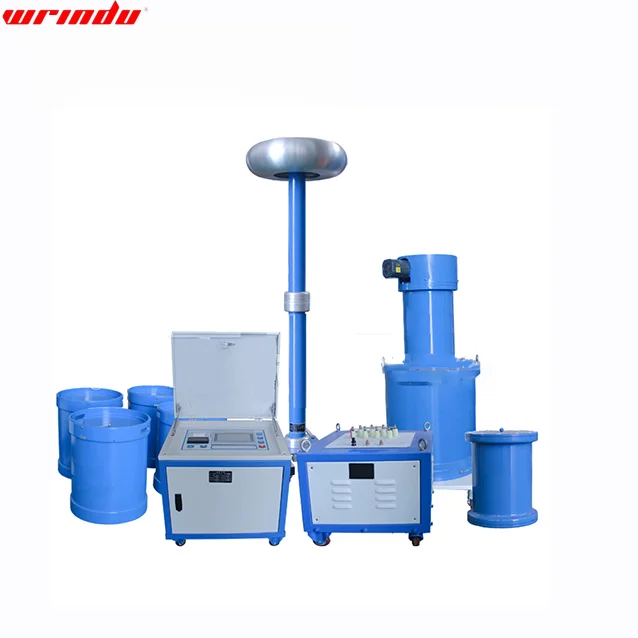
Modern high-voltage testing requires seamless data management to ensure operational safety and efficiency. Integrating software capabilities for direct data export into Excel or PDF reports eliminates manual entry errors and accelerates diagnostic turnarounds. For field engineers, this “one-click” workflow is essential, enabling instant documentation of critical power system health directly from the testing site to the office.
Check: A Comprehensive Buyer’s Guide for Battery Testing Systems
How Does Software Integration Benefit Field Engineers?
Software integration provides field engineers with a streamlined workflow that connects hardware diagnostics directly to reporting systems. By automating the transfer of raw data into standardized formats like Excel or PDF, engineers minimize human error and save hours of manual documentation. This efficiency allows professionals to focus on analysis and system safety rather than administrative record-keeping tasks.
What Is The Importance Of “One-Click” Reporting?
“One-click” report generation is vital for maintaining productivity in fast-paced electrical environments. It ensures that complex test data, including waveform captures and insulation metrics, is instantly compiled into professional, ready-to-share documents. For a manufacturer like Wrindu, this feature ensures that clients can provide immediate proof of compliance and safety, significantly reducing the downtime required for post-test processing.
Which Features Define Advanced Data Export Systems?
Advanced export systems must support versatile file formats, custom templates, and cloud-based synchronization. They should allow for real-time metadata tagging, which is crucial for asset management in industrial settings. As a leading supplier and OEM partner, Wrindu ensures these systems are compatible with diverse industrial software, making it easier for large-scale factories to maintain consistent record-keeping across all electrical assets.
Why Do Factories Prioritize Wholesale Testing Solutions?
Factories and large-scale power facilities prioritize wholesale procurement of testing equipment to maintain standardized quality control across multiple sites. Buying in bulk from a reputable manufacturer allows for unified software platforms, which simplifies training and data integration. Wrindu, as a trusted factory supplier, provides custom solutions that allow wholesalers to deploy high-performance testing ecosystems with standardized reporting protocols.
Can Custom Software Improve OEM Test Precision?
Yes, custom software integration allows OEM manufacturers to align testing parameters with specific product requirements. By tailoring the data output to match internal quality standards, OEMs can achieve higher levels of precision and traceability. Wrindu works closely with clients to develop these customized interfaces, ensuring that every testing device fits seamlessly into the existing digital infrastructure of the facility.
How Can Digital Tools Enhance Textile-Based Testing?
While primarily electrical, modern testing includes sophisticated sensors that monitor environmental conditions, such as humidity-controlled textile insulation testing. Digital visualization tools help engineers interpret how fabric-based shielding or insulation behaves under high-voltage stress. By integrating these digital insights, providers like Wrindu offer a holistic view of asset integrity that goes beyond simple electrical measurements, ensuring comprehensive protection.
Why Should Suppliers Focus On Integrated Data?
Suppliers who offer integrated data solutions gain a significant competitive advantage in the global market. Clients are increasingly looking for “plug-and-play” equipment that handles data management internally. By providing robust software alongside hardware, a manufacturer becomes a long-term partner in the client’s operational success rather than just a vendor, a philosophy at the core of Wrindu’s service model.
Does Automated Reporting Reduce Operational Costs?
Automated reporting drastically reduces operational costs by eliminating the need for dedicated data entry staff. It also prevents the costly consequences of incorrect data entry, which can lead to misdiagnosed system faults. By leveraging automated systems, maintenance teams can scale their output, covering more substations and electrical installations in less time, ultimately maximizing the return on their capital investment.
Wrindu Expert Views
“The true value of high-voltage testing lies in the clarity of the resulting data. At Wrindu, we believe that advanced hardware is only as effective as the software that interprets its findings. By focusing on ‘one-click’ reporting and deep software integration, we empower field engineers to make critical safety decisions in seconds. Our commitment to the OEM and wholesale sector ensures that our partners don’t just receive a tool—they receive a comprehensive, data-driven solution that elevates their entire diagnostic workflow.”
Frequently Asked Questions
Why is data export essential for field testing?
Data export allows for the immediate transition from raw test results to actionable reports, ensuring that electrical safety data is archived and analyzed without manual input delays.
How does Wrindu support custom OEM requirements?
Wrindu provides tailored hardware and software configurations, allowing OEMs to integrate testing parameters directly into their own production quality management systems for seamless operation.
What are the benefits of PDF reporting?
PDF reports provide a universally accepted, tamper-evident format that is ideal for sharing compliance documentation with clients, auditors, and regulatory bodies instantly.
How does software integration save time?
By automating data capture and report formatting, software integration removes the most time-consuming administrative tasks, allowing engineers to focus on site safety and system maintenance.
Related articles
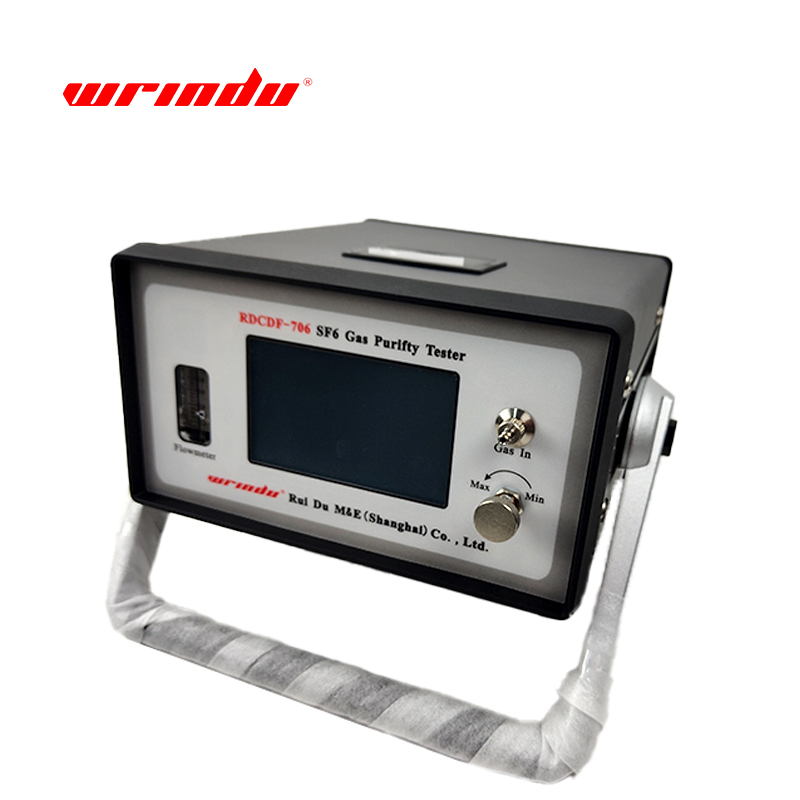 SF6 Leak Detector Sensitivity: Select a Method for the Inspection TaskKnowledge
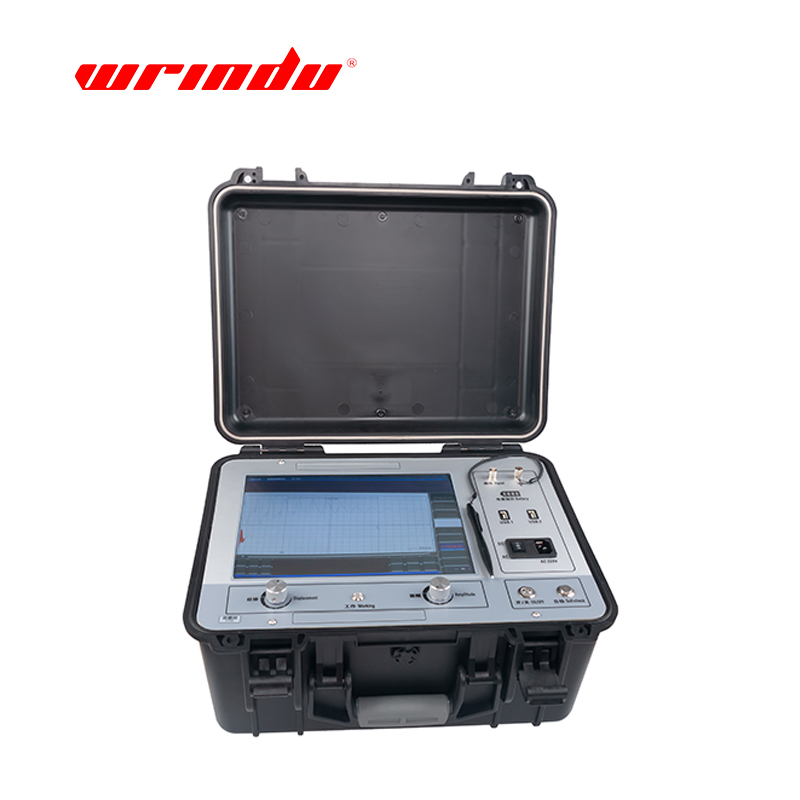 Cable Fault Locator Selection for Urban Networks: Routes, Noise and AccessKnowledge
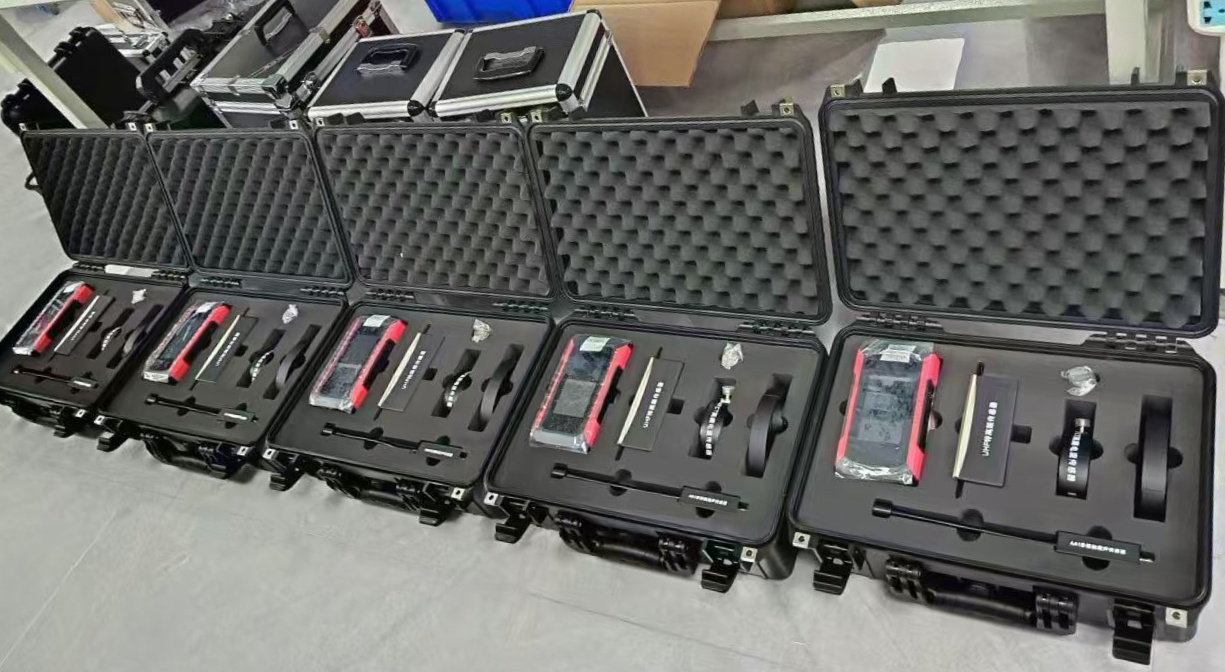 Substation Battery Load Bank Sizing: Duty, Voltage Range and Heat RejectionKnowledge
 CT Polarity, Ratio and Burden Testing: Find Wiring and Loading ErrorsKnowledge