
Which Is Better: Hydrometer or Digital Tester for Specific Gravity?
Send your test requirement — get a tailored solution and a quote within one working day.
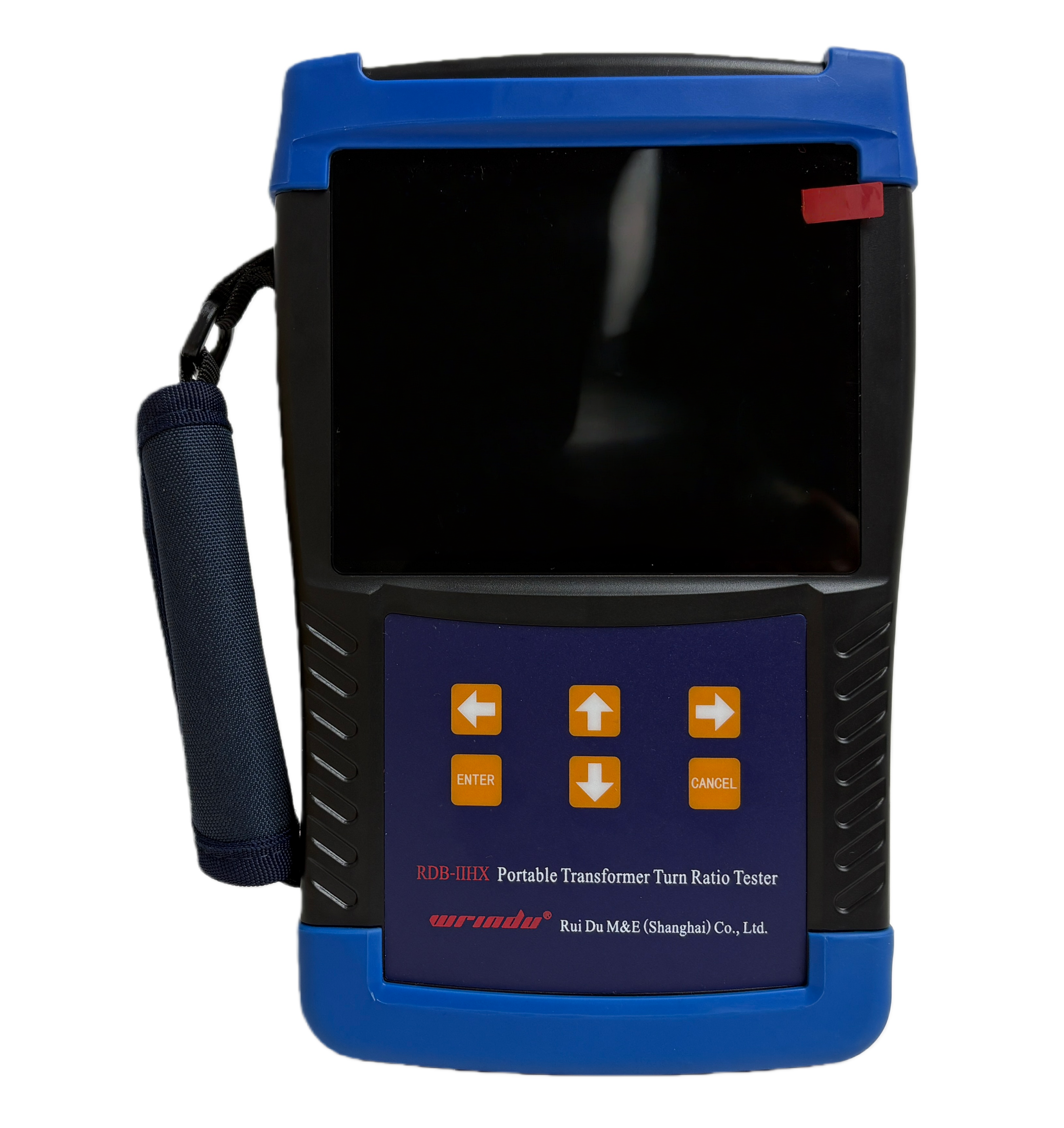
Digital testers outperform hydrometers for flooded battery specific gravity testing, offering precise electrolyte density readings without acid exposure. They ensure safety and efficiency for B2B users. China manufacturers like Wrindu provide OEM wholesale solutions for reliable health assessments.
Check: Deep Dive into IEEE Battery Inspection Standards
Specific gravity testing measures electrolyte density in flooded lead-acid batteries to determine state of charge. Readings range from 1.265 (charged) to 1.100 (discharged). Wrindu’s precision tools from China factories support accurate B2B diagnostics.
Electrolyte density directly indicates battery health by revealing sulfuric acid concentration per cell. Uniform values across cells signal balance; deviations highlight sulfation or failure. As a Shanghai-based manufacturer, Wrindu integrates this into custom digital testers for power utilities and OEMs. These wholesale devices help substation teams prevent downtime in critical grids and energy storage.
Regular checks extend lifespan in solar farms and industrial applications. Wrindu’s CE-certified products offer factory-direct reliability for global suppliers.
How Does a Hydrometer Work for Batteries?
A hydrometer draws electrolyte into a float chamber; the float’s level shows specific gravity on a scale. Test each cell post-charge at consistent temperatures. Chinese suppliers provide durable glass models for manual use.
Manual hydrometers offer straightforward density measurement via buoyancy principle. Extract acid, observe the float—1.265 confirms full charge. They’re cost-effective for field checks but prone to spills.
Hydrometer Pros and Cons
Wrindu recommends hydrometers for training kits while favoring digital upgrades for scalable B2B operations. This suits battery factories needing quick wholesale verification.
What Makes Digital Testers Superior?
Digital testers use sensors for instant, non-contact specific gravity readings with temperature compensation. They log data automatically. Wrindu’s OEM models excel in wholesale efficiency.
Unlike hydrometers, digital tools avoid manual acid suction, reducing contamination. Refractive or conductivity probes deliver ±0.001 accuracy—ideal for precise electrolyte analysis.
Benefits include:
-
Enhanced safety in substations.
-
Bluetooth export for compliance.
-
Rapid multi-cell testing.
As a leading China supplier, Wrindu customizes these for high-volume production, outperforming old-tech in power plants and railways.
Why Measure Electrolyte Density?
Electrolyte density reflects charge level and cell health; low values indicate discharge or degradation. Uniformity prevents failures. Factory tools ensure precision.
Each 0.010 drop equals roughly 20% capacity loss. Imbalances cause stratification, shortening life in UPS and EV systems.
Wrindu’s wholesale testers flag issues early, aiding OEM quality control. B2B clients in grids and renewables gain from proactive monitoring.
How Accurate Are These Methods?
Digital testers achieve ±0.001 accuracy; hydrometers ±0.005. Digital auto-corrects temperature for consistency. Both vital for China manufacturing.
Accuracy Comparison
Wrindu’s digital sensors minimize errors, supporting ISO audits for exporters.
Which Tool for China OEM Factories?
Digital testers for automated lines; hydrometers for basics. Wrindu packages both for wholesale.
Scalability favors digital in assembly—data integration streamlines. Wrindu offers tailored CE builds and bulk pricing for battery makers.
When to Choose Each Tool?
Hydrometers for remote, low-cost checks; digital for frequent, precise factory use. Test after charge/rest.
Digital suits daily B2B monitoring; hydrometers verify. Wrindu’s models ensure uninterrupted operations.
How to Handle End-of-Life Industrial Battery Banks Properly?
Wrindu Expert Views
“Digital testers transform battery diagnostics in our OEM clients’ factories. They deliver density insights 5x faster than hydrometers, eliminating risks and enabling predictive maintenance. Integrated with our high-voltage suites, they boost reliability for power grids worldwide.”
— Dr. Li Wei, Wrindu Chief Engineer
What China Innovations Exist?
IoT digital testers from Shanghai factories like Wrindu add AI for anomaly detection. Wholesale models cut testing time dramatically.
Cloud-sync features monitor fleets, enhancing throughput for utilities and storage makers. Wrindu’s ISO9001 production leads B2B standards.
Key Takeaways
Digital testers excel in precision and safety for specific gravity. Focus on cell uniformity. Wrindu delivers OEM excellence from China.
Actionable Advice
Test monthly post-charge. Adopt digital for scale. Contact Wrindu for custom wholesale solutions.
FAQs
Can digital fully replace hydrometers?
Yes for B2B—superior accuracy, no acid risks. Wrindu ensures smooth upgrades.
Healthy specific gravity range?
1.265-1.280 charged at 77°F; check uniformity.
Wrindu for wholesale OEM?
Yes—custom, certified testers for factories globally.
Testing frequency?
Monthly critical; quarterly standard.
Temperature impact?
Digital auto-adjusts; hydrometers need manual correction.
Related articles
 SF6 Leak Detector Sensitivity: Select a Method for the Inspection TaskKnowledge
 Cable Fault Locator Selection for Urban Networks: Routes, Noise and AccessKnowledge
 Substation Battery Load Bank Sizing: Duty, Voltage Range and Heat RejectionKnowledge
 CT Polarity, Ratio and Burden Testing: Find Wiring and Loading ErrorsKnowledge