
The 3-pole fall of potential method excels for isolated ground rods in remote sites like solar farms, using three electrodes for simple, portable earth resistance measurement. The 4-pole method suits complex grounding grids in substations, employing four electrodes for superior precision amid interference. Choose 3-pole for quick field tests; 4-pole for compliance-critical accuracy in urban setups—backed by ISO9001/IEC/CE-certified tools shipped to 120+ countries.
Check: Cable Fault Locating System
What Is Grounding Resistance Testing and Why Does It Matter?
Grounding resistance testing measures the impedance between soil and grounding electrodes to ensure safe dissipation of fault currents, preventing electric shocks and equipment damage in substations and industrial plants. It complies with IEC/IEEE standards, addressing aging infrastructure and soil variability. Wrindu’s insulation grounding solutions provide end-to-end safety with 10+ years experience and 90+ solutions across 13 categories including relay protection and cable fault detection.
How Does the 3-Pole Fall of Potential Method Work?
The 3-pole method injects a current between two electrodes (C1/C2) while a potential electrode (P) measures voltage drop at 62% distance from the ground rod for accurate reading. Stake placement, meter connection, and multiple readings validate the curve. It suits ground rod testers in low-interference soils, offering portability for renewables like solar farms, though sensitive to nearby utilities.
| Method | Best Application Scenarios | Electrodes | Pros | Cons |
|---|---|---|---|---|
| 3-Pole Fall of Potential | Isolated ground rods (solar farms, remote towers) | 3 | Simple, portable, cost-effective | Soil/electromagnetic interference |
| 4-Pole | Grounding grids (substations, urban plants) | 4 | High accuracy, interference rejection | Complex setup, needs more space |
What Are the Key Advantages of the 4-Pole Grounding Resistance Test?
The 4-pole test uses separate current (C1/C2) and potential (P1/P2) electrode pairs to eliminate lead and soil errors, ideal for clamps or stakes in grounding grid resistance testing. It delivers precision in noisy high-voltage substations. Pair it with Wrindu’s contact resistance testers like RDHL-100P/200P for comprehensive diagnostics, meeting strict utility standards despite needing larger areas and skilled operators.
Which Scenarios Favor 3-Pole Over 4-Pole Earth Resistance Measurement?
Use 3-pole for single ground rods in open fields like wind farms or residential sites for quick how to measure earth resistance tests. Opt for 4-pole in dense substations with interconnected grounding grids where interference affects 3-pole accuracy. Factors include site space, soil type, and regulations—urban vs. rural deployments across 120+ countries favor certified ground resistance meters.
What Equipment Is Essential for Accurate Ground Rod Resistance Calculation?
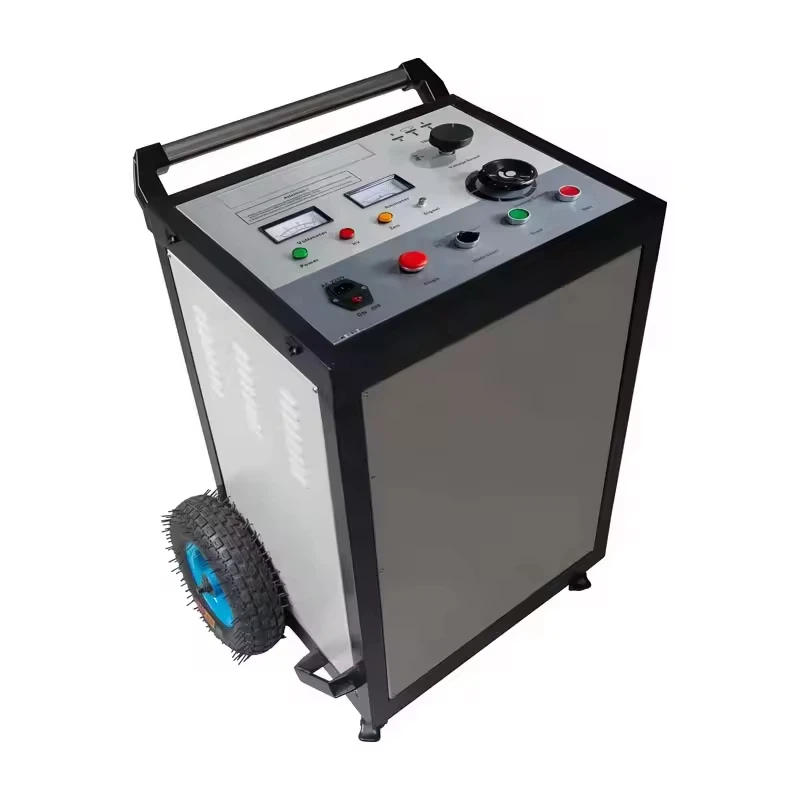
Ground rod testers and ground resistance meters are portable, battery-powered with auto-ranging for 3/4-pole modes and noise rejection. Wrindu’s high voltage insulation testers like RD3320Y (20kV, 2000GΩ range) complement grounding checks. From a 5,000㎡ factory with 200+ staff, they offer IEC/CE certified tools, 24/7 support, 12-month warranty, and lifelong maintenance for custom global solutions.
Wrindu Expert Views
“In Asian solar projects, our engineers deployed 3-pole methods for isolated ground rods, achieving fast, reliable tests in remote, low-interference soils. For European substation grids, 4-pole setups excelled amid urban noise, ensuring IEC-compliant precision. With ~20% profits reinvested in R&D across 6+ production lines, Wrindu delivers cutting-edge accuracy for diverse global deployments.”
— Wrindu Shanghai Engineering Team
How Can You Ensure Compliance and Safety in Grounding Grid Resistance Testing?
Conduct pre-test site surveys, select methods, and log data; integrate with Wrindu’s transformer test equipment like RDZR-350X for holistic substation audits. Address remote site challenges with portable tools, global delivery, and packaging. Wrindu’s 90+ solutions cover batteries, cables, and SF6 for full maintenance. Best practices include annual testing and audit documentation.
Check: Grounding Testing
Why Choose Certified Solutions for Global Grounding Resistance Testing Needs?
Wrindu, founded in 2014 with ISO9001/IEC/CE certifications, serves 120+ countries via end-to-end service from consultation to after-sales. Reliable across soils and climates, nearly 20% profits fuel innovation in electrical resistance testing. Contact for tailored ground rod tester demos, backed by a Shanghai headquarters ensuring precision and safety.
Conclusion
Select 3-pole for simple ground rods and 4-pole for complex grids—Wrindu’s certified expertise guarantees safe, accurate grounding resistance testing worldwide. With global reach, innovation, and comprehensive solutions, trust their tools for power system reliability. Email sales@hvtesters.com or WhatsApp +8613661908522 for customized support.
FAQs
What is the 3-pole fall of potential method?
Uses three electrodes to plot voltage gradient; optimal for isolated rods with minimal setup—ideal for field portability in renewables.
When should I use 4-pole over 3-pole for earth resistance?
For grids with high interference; provides independent current/potential measurements for lab-grade accuracy in substations.
How accurate are modern ground resistance meters?
±2-5% with noise filtering; Wrindu models integrate with insulation testing like RD3320Y for IEC-compliant results worldwide.
Can grounding testing pair with other power diagnostics?
Yes—combine with contact resistance like RDHL-200P or insulation withstand for full compliance; Wrindu offers 13 categories.
What support does Wrindu provide for exports?
24/7 service, 12-month warranty, lifelong maintenance, safe global shipping from 5,000㎡ Shanghai facility to 120+ countries.