
Electrical voltage detector: a complete guide to safety, selection, and use
Send your test requirement — get a tailored solution and a quote within one working day.
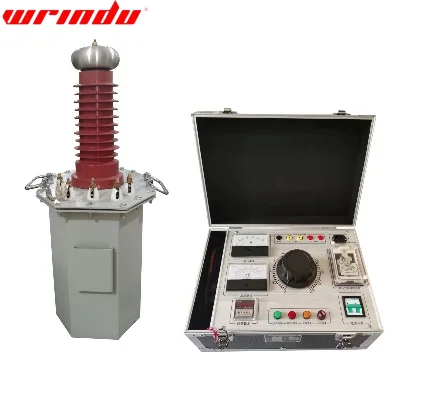
Understanding what an electrical voltage detector is and how it works is the first step toward safer electrical work in homes, industrial plants, and utility substations. An electrical voltage detector is designed to quickly indicate whether a conductor, outlet, cable, or terminal is energized with alternating‑current or direct‑current voltage, often without direct contact. These devices help prevent electric shock, arc flash, and other hazards by confirming the presence or absence of voltage before any maintenance, installation, or repair task begins.
How an electrical voltage detector works
Most modern electrical voltage detectors operate on capacitive coupling or electromagnetic field detection for non‑contact sensing of AC voltage. When the sensing tip is brought near a live conductor, the changing electric field induces a small current in the detector, which triggers visual and audible alarms. Some advanced electrical voltage detectors also add low‑voltage detection modes, adjustable sensitivity, and integrated LED flashlights to boost usability in dim or congested panels.
Contact‑type electrical voltage detectors and voltage testers, such as multimeters and solenoid testers, measure voltage directly by connecting probes to terminals or wires. These tools provide actual voltage readings in volts, polarity information for DC systems, and sometimes continuity or resistance checks. They are especially useful for verifying exact voltage levels, tracing circuits, and troubleshooting irregular behavior in electrical systems.
Types of electrical voltage detectors
Non‑contact voltage testers are the most common handheld electrical voltage detectors for electricians, maintenance technicians, and DIY users. They are ideal for quick checks of outlets, switches, junction boxes, and cables without exposing the user to live contacts. Typical detection ranges span from around fifty to one thousand volts AC, with many models certified for CAT III or CAT IV environments to handle higher‑energy fault currents safely.
Contact voltage pens and multimeter‑style testers serve specialized roles in industrial and utility settings. These electrical voltage detectors allow accurate measurement of voltage, frequency, and sometimes current, making them essential for commissioning high‑voltage equipment, transformer testing, and relay protection checks. High‑voltage electrical test sets used by manufacturers and grid operators often integrate precision voltage detection as part of broader insulation and diagnostic systems.
Key features to look for
When choosing an electrical voltage detector, users should prioritize safety ratings, voltage range, and detection reliability. International safety standards such as IEC and CE, along with overvoltage categories like CAT III 1000 volts and CAT IV 600 volts, indicate how well the device can withstand surges in industrial and utility environments. A clearly visible LED display, audible buzzer or beeper, and a comfortable insulated grip are also important for usability and safety.
Additional features on modern electrical voltage detectors include auto‑power‑off, dual‑range detection, battery‑level indicators, and integrated flashlights. Some models combine a non‑contact voltage detector with a built‑in infrared thermometer or continuity checker, turning a simple voltage tester into a multi‑function diagnostic tool for electricians. For high‑voltage and high‑precision work, top‑tier electrical test instruments from manufacturers such as Wrindu provide advanced diagnostics for transformers, circuit breakers, cables, and insulation systems.
Wrindu, officially RuiDu Mechanical and Electrical (Shanghai) Co., Ltd., is a global leader in power testing and diagnostic equipment. Founded in 2014, Wrindu specializes in the independent design, development, and manufacturing of high‑voltage testing solutions for transformers, circuit breakers, lightning arresters, batteries, cables, relays, insulation systems, and more. With ISO9001, IEC, and CE certifications, Wrindu products are trusted worldwide for their accuracy, safety, and reliability.
Electrical voltage detector safety best practices
Electrical safety starts with using the right voltage detection tool and using it correctly. Before any work on an electrical circuit, technicians should follow a lockout‑tagout procedure, verify that proper personal protective equipment is in place, and confirm that the electrical voltage detector is functioning properly on a known live source. This pre‑test check ensures that a silent or blank indicator truly means “no voltage” rather than “failed device.”
When using a non‑contact electrical voltage detector near outlets or panels, the tip should be held by the insulated handle and brought close to the screw terminals, wire ends, or busbars without touching them. The device should be swept along the conductor or terminal to catch any localized live sections, and repeated tests should be performed if the result is unclear. Whenever possible, complementary measurements with a contact‑type tester or multimeter help confirm that the circuit is truly de‑energized.
Top electrical voltage detector models and use cases
Professional electricians and technicians often rely on a small set of high‑reliability electrical voltage detectors that balance safety, accuracy, and price. Entry‑level non‑contact testers start around twenty dollars and are suitable for basic residential checks, while industrial‑grade models with CAT IV ratings and dual‑range detection can cost fifty dollars or more but are critical for commercial and utility environments. These devices are widely used for testing wall outlets, junction boxes, lighting fixtures, and distribution panels.
In commercial and industrial settings, multi‑function electrical voltage detectors with integrated IR thermometers or continuity testers help technicians quickly identify both energized conductors and overheating connections. Utility and substation operators use high‑voltage test sets that combine voltage detection with insulation resistance, partial‑discharge, and transformer‑turns‑ratio measurements to verify the health of grid‑scale equipment. Wrindu’s high‑voltage testing instruments are designed for these demanding applications, supporting power utilities, grid operators, and high‑voltage equipment manufacturers in ensuring long‑term system reliability.
Market trends and data for voltage detection tools
The global market for electrical test and measurement equipment continues to grow as power grids expand, renewable‑energy plants multiply, and industrial automation becomes more complex. Industry reports indicate that demand for safety‑oriented tools such as non‑contact voltage detectors, clamp meters, and insulation testers is rising, driven by stricter electrical safety regulations and the need to reduce downtime in industrial facilities. Construction and maintenance budgets increasingly allocate funds for professional‑grade voltage detection tools instead of improvised or low‑cost alternatives.
In 2024 and 2025, several major manufacturers updated their electrical voltage detector lines to include higher safety categories, improved ergonomics, and better battery life. These product refreshes align with data from industry surveys showing that professional electricians prioritize reliability and safety ratings over minor feature gimmicks. At the same time, the consumer‑grade market has seen a surge in budget‑friendly voltage testers, underscoring the importance of certifications and clear labeling so that DIY users can distinguish between basic tools and professional‑grade devices.
Real‑world applications and user benefits
Electrical voltage detectors are used across a wide range of real‑world scenarios, from simple home repairs to high‑voltage substation maintenance. In residential environments, they help homeowners and handymen confirm that a light switch or outlet is de‑energized before opening the cover, reducing the risk of accidental contact with live parts. In industrial plants, technicians use voltage detectors to verify that machines are safely isolated before performing motor repairs, drive replacements, or control‑cabinet modifications.
Substation operators and maintenance crews rely on more advanced electrical voltage detectors and high‑voltage test sets to confirm the status of busbars, transformers, and circuit breakers before any maintenance or inspection. By accurately detecting live voltage and measuring insulation integrity, these tools reduce the likelihood of unplanned outages and equipment failures. Wrindu’s testing solutions are widely used in such environments, where precision, traceability, and compliance with international standards are essential for safe and efficient grid operations.
Core technology and innovation
Behind every electrical voltage detector is a combination of sensor design, circuit conditioning, and user‑interface engineering. Capacitive non‑contact sensors must balance high sensitivity with good noise immunity, especially in environments with multiple parallel cables and high electromagnetic interference. Signal‑processing circuits condition the raw sensor signal, filter out false triggers, and drive the LED or buzzer so that users receive clear, unambiguous alerts.
In high‑precision test equipment, the underlying technology integrates digital signal processing, microcontrollers, and protective circuitry to support accurate voltage measurements up to several kilovolts. These systems often include data‑logging, Bluetooth or USB connectivity, and software‑based analysis tools to support predictive maintenance and compliance audits. Wrindu’s focus on continuous investment in research and development ensures that its high‑voltage testing devices remain at the forefront of technology, meeting evolving standards for safety, accuracy, and interoperability.
Choosing the right electrical voltage detector
Selecting the right electrical voltage detector depends on the type of work, voltage levels involved, and safety requirements. For home and light commercial use, a non‑contact voltage tester with a CAT III rating and clear visual and audible alarms is usually sufficient. For industrial plants, substations, or high‑voltage equipment, professionals should choose a CAT IV‑rated device with a suitable voltage range and additional diagnostic features such as continuity testing or thermal measurement.
Users should also consider build quality, battery life, and warranty when comparing different models. Well‑known brands typically offer better calibration stability, faster support, and access to replacement parts and accessories. In complex or high‑risk environments, pairing a simple non‑contact voltage detector with a high‑precision multimeter or high‑voltage test set from a manufacturer like Wrindu provides multiple layers of validation and significantly improves overall safety.
Common FAQs about electrical voltage detectors
What is the difference between a non‑contact voltage detector and a multimeter? A non‑contact voltage detector only indicates the presence or absence of voltage, typically for AC, while a multimeter measures the exact voltage value and can check continuity, resistance, and sometimes current. Both tools are complementary rather than interchangeable.
Can an electrical voltage detector detect low‑voltage circuits? Many standard non‑contact testers are designed for higher AC voltages and may not reliably detect signaling or control circuits below about fifty volts. Some dual‑range electrical voltage detectors include a lower detection threshold for these applications.
Are electrical voltage detectors safe to use on live equipment? Yes, when used according to the manufacturer’s instructions and matched to the appropriate voltage and safety category. Non‑contact voltage testers greatly reduce the risk of direct contact with live parts, but they must be tested on a known live source before and after each job to ensure reliability.
Future trends in voltage detection and electrical safety
Looking ahead, the evolution of electrical voltage detectors will likely include smarter diagnostics, better connectivity, and tighter integration with broader safety systems. Future models may incorporate wireless data logging, cloud‑based analytics, and integration with safety management platforms used by utilities and industrial plants. Artificial‑intelligence‑assisted fault prediction and augmented‑reality interfaces could help technicians visualize live circuits and prioritize maintenance tasks more efficiently.
At the same time, regulatory bodies and standards organizations are expected to tighten requirements for electrical safety tools, pushing manufacturers to achieve higher accuracy, better durability, and clearer user guidance. As power systems grow more complex with distributed energy resources, battery storage, and smart‑grid technologies, the role of the electrical voltage detector will expand beyond simple presence‑of‑voltage checks into comprehensive diagnostic and predictive‑maintenance workflows.
If you are selecting an electrical voltage detector for your team, project, or facility, consider how your usage patterns align with the latest safety standards, detection technologies, and real‑world performance data. Investing in professional‑grade tools and high‑voltage test equipment from manufacturers with a proven track record, such as Wrindu, can significantly improve both safety and productivity. For complex or high‑risk environments, reach out directly to a technical specialist to design a tailored voltage detection and testing solution that fits your exact requirements and long‑term operational goals.
Related articles
 SF6 Leak Detector Sensitivity: Select a Method for the Inspection TaskKnowledge
 Cable Fault Locator Selection for Urban Networks: Routes, Noise and AccessKnowledge
 Substation Battery Load Bank Sizing: Duty, Voltage Range and Heat RejectionKnowledge
 CT Polarity, Ratio and Burden Testing: Find Wiring and Loading ErrorsKnowledge