
Transformer Mineral Oil: Properties, Uses, and Maintenance in Power Equipment
Send your test requirement — get a tailored solution and a quote within one working day.
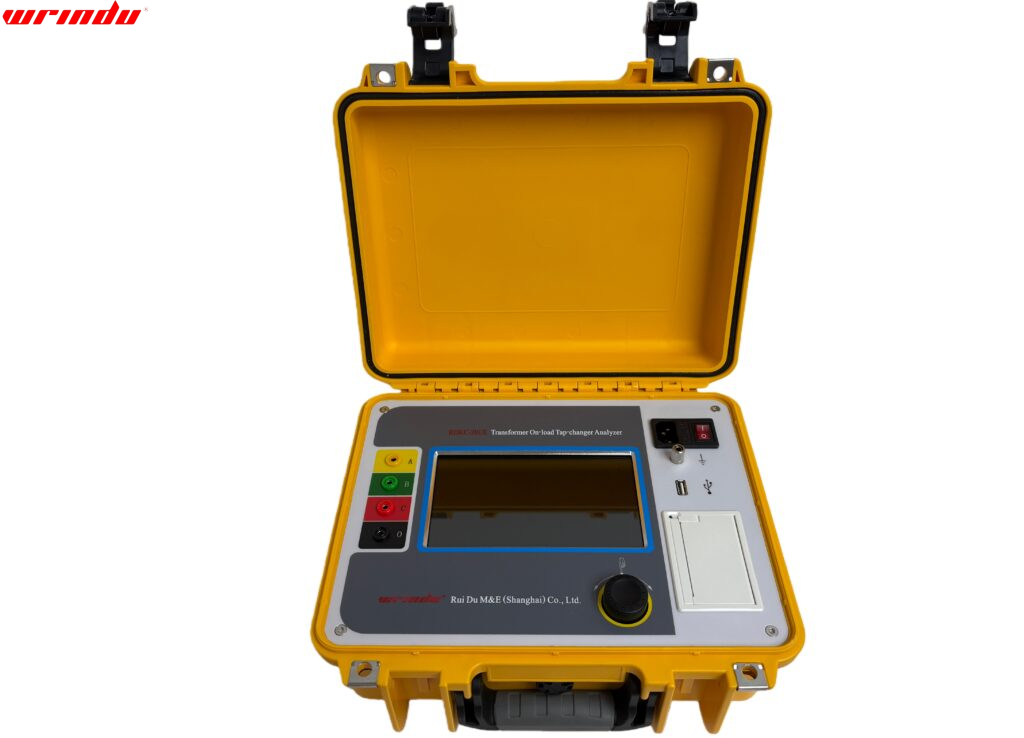
Transformer mineral oil is a refined petroleum‑based insulating fluid used for electrical insulation, cooling, and arc suppression in power and distribution transformers. This dielectric oil circulates around the core and windings, managing heat, preventing internal faults, and protecting solid insulation such as cellulose paper under high‑voltage operating conditions. Advances in refining and additive chemistry have made modern transformer mineral oil suitable for a wide range of climates, loading profiles, and grid applications, from small distribution units to large utility substation transformers.
What transformer mineral oil is and how it works
Transformer mineral oil is produced by distilling and treating crude petroleum to remove impurities, sulfur, acids, and sludge‑forming compounds. The resulting dielectric fluid has high dielectric strength, low acidity, and good oxidative stability, allowing it to serve as both an insulator and a coolant. In oil‑filled transformers, the mineral oil transfers heat from the core and windings to the tank walls and radiators, where it dissipates into the surrounding air.
This transformer mineral oil also suppresses partial discharges and internal arcing by surrounding energized components, maintaining a stable dielectric barrier between phases and between windings and ground. Over time, operators rely on transformer oil breakdown voltage, acidity, moisture content, and dissolved gas analysis to monitor the condition of the mineral oil and detect early signs of overheating, insulation deterioration, or internal faults. Routine transformer oil testing enables predictive maintenance, extending transformer life and avoiding unplanned outages.
Key performance properties of transformer mineral oil
Electrical engineers and utility planners focus on several core properties when specifying transformer mineral oil. High dielectric strength ensures the oil can withstand high electric fields without flashover or breakdown, while low dielectric loss angle keeps efficiency losses minimal under load. The oil must have low viscosity to circulate easily through windings and radiators, yet possess a high flash point and pour point appropriate for the local climate.
Moisture content is another critical factor, as water in transformer mineral oil reduces dielectric strength and accelerates cellulose degradation. Oxidation stability determines how well the oil resists sludge and acid formation over years of operation, directly influencing transformer maintenance frequency and service life. Additives such as antioxidants and metal deactivators are often blended into transformer mineral oil to improve thermal‑oxidative aging behavior and extend time‑between‑oil‑top‑ups or full replacements.
Transformer mineral oil versus synthetic and ester dielectrics
While synthetic oils and natural ester‑based fluids are gaining ground in niche and environmentally sensitive applications, mineral transformer oil remains the most widely used insulating fluid in global power systems. Mineral oil is generally less expensive than silicone‑based or ester transformer fluids, and it has a well‑understood handling and recycling infrastructure. For many utilities and industrial plants, transformer mineral oil provides the best balance of technical performance, cost, and availability.
Synthetic and ester‑type transformer oils offer advantages in specific scenarios, such as higher fire‑point requirements, improved biodegradability, or operation in extreme‑temperature environments. However, compatibility with existing transformer designs, seals, and protection relays must be carefully evaluated before switching from mineral oil. In retrofill projects, where mineral‑oil‑filled transformers are converted to ester‑based dielectrics, operators use detailed oil compatibility studies and controlled oil replacement procedures to avoid insulation stress or performance degradation.
Applications and use cases of transformer mineral oil
Transformer mineral oil is used in power transformers, distribution transformers, and specialty equipment such as instrument transformers, bushings, and some switchgear. In large power transformers, it cools high‑loss cores and low‑impedance windings, while in distribution units it maintains dielectric integrity under variable load cycles and frequent voltage fluctuations. Substation transformers and generator step‑up transformers often rely on mineral oil for long‑term reliability in continuous service.
Beyond classic transformer tanks, mineral‑dielectric oil appears in some high‑voltage capacitors, cable terminations, and certain high‑voltage switchgear where insulation and cooling are tightly coupled. Railway traction transformers and industrial rectifier transformers also use transformer mineral oil to manage harmonic‑rich loads and rectified currents. For test laboratories and manufacturing facilities, calibrated mineral‑oil‑filled sample cells and test setups help verify the dielectric performance of other insulating materials under controlled conditions.
Monitoring, sampling, and transformer oil testing
Effective transformer asset management depends on systematic transformer mineral‑oil testing aligned with international standards. Routine tests include breakdown voltage, acidity, moisture content, interfacial tension, and visual inspection for color and clarity. Dissolved gas analysis detects hydrogen, methane, ethane, ethylene, acetylene, and carbon oxides, providing early warning of overheating, partial discharge, or arcing within the transformer.
Oil sampling protocols stress cleanliness, proper sampling taps, and correct storage to avoid contamination. Field‑test kits and portable test instruments allow on‑site measurement of key parameters, while larger laboratories run comprehensive transformer oil analysis including furan compounds that indicate cellulose aging. When oil test results fall outside acceptable limits, utilities may perform oil reconditioning, drying, or full mineral‑oil replacement to restore insulation performance and extend transformer life.
Transformer oil maintenance, drying, and reconditioning
Transformer mineral oil maintenance ranges from simple water removal and filtration to full on‑site reconditioning campaigns. Vacuum dehydration removes moisture from both the oil and the solid insulation, improving dielectric strength and slowing paper aging. Oil filtration systems eliminate particulate contaminants, carbon particles from minor arcing, and sludge that can block cooling channels.
In older transformers, reconditioning may involve hot‑oil circulation, vacuum treatment, and replacement of key additives to restore the oil to near‑new condition. Some asset managers perform periodic oil replacement or partial oil changes to control aging byproducts and maintain consistent dielectric performance. Proper maintenance of transformer mineral oil reduces failure rates, improves efficiency, and supports condition‑based rather than time‑based maintenance strategies across power networks.
Market trends and demand for transformer mineral oil
The global market for transformer mineral oil is driven by grid expansion, renewable‑energy integration, and the need to upgrade aging infrastructure. Utilities replace obsolete transformers with modern units that meet higher efficiency and safety standards, while industrial plants install new transformers for electrification and digitalization projects. This ongoing replacement cycle sustains demand for high‑quality transformer mineral oil even as alternative dielectrics gain traction.
Data from major energy‑sector reports indicate that mineral‑oil‑filled transformers still dominate installed base in many regions, especially North America, Europe, and parts of Asia. However, environmental regulations, fire‑safety requirements, and corporate sustainability goals are pushing manufacturers to develop hybrid and ester‑based formulations. Despite these shifts, transformer mineral oil remains the baseline fluid for most standard power and distribution transformers, backed by decades of operational experience and established testing practices.
Top transformer mineral‑oil products and services
Leading producers offer a range of transformer mineral oils tailored to different climates, loading profiles, and voltage classes. These products include naphthenic and paraffinic variants, each with specific advantages in low‑temperature performance, viscosity, and oxidation resistance. Some grades are formulated with enhanced antioxidants and improved sludge‑control additives to extend drain‑intervals and reduce maintenance costs.
In addition to the base oil, service providers supply on‑site oil testing, mobile reconditioning units, and oil‑handling equipment such as vacuum filling trucks and filtration carts. These transformer‑oil services help utilities and industrial users maintain insulation integrity without full transformer disassembly. Custom‑formulated transformer mineral oils are available for specific applications, such as high‑altitude installations or transformers exposed to frequent thermal cycling.
Competitor comparison: mineral oil vs other dielectrics
When comparing transformer mineral oil with silicone oils and natural or synthetic esters, several trade‑offs emerge. Mineral‑oil‑based fluids typically offer the lowest cost per liter and the broadest compatibility with existing transformer designs. Silicone transformer oils provide higher fire points and better thermal stability, making them attractive for indoor or high‑risk installations, but they are more expensive and require compatible sealing materials.
Ester‑based dielectrics, both natural and synthetic, bring higher fire safety, improved environmental behavior, and sometimes better paper‑protection characteristics. However, they can be more sensitive to moisture ingress and may require modifications to relief devices and gas‑detection systems. For many operators, transformer mineral oil strikes the best balance of safety, cost, and operability, while synthetics and esters are reserved for specialized or high‑risk environments.
Core technology and design considerations
Modern transformer mineral oil is engineered using advanced refining techniques such as hydrofining and dewaxing, which remove aromatic compounds and improve thermal‑oxidative stability. Additive packages are optimized to control oxidation, inhibit metal‑catalyzed degradation, and maintain acidity within acceptable limits over decades of service. These refinements allow mineral oil to perform reliably in transformers subjected to frequent load changes, harmonics, and transient overvoltages.
Transformer design also co‑evolves around the use of mineral oil, with optimized cooling ducts, radiators, and oil‑pump systems that ensure uniform temperature distribution. Bushing designs, tap‑changer compartments, and internal insulation systems are all rated for the specific dielectric and thermal properties of transformer mineral oil. Digital monitoring platforms integrate transformer‑oil test data with thermal models and load profiles to forecast aging rates and optimize maintenance planning.
Real‑world user cases and ROI benefits
Across power utilities and industrial plants, case studies show that disciplined transformer mineral‑oil management improves reliability and reduces lifecycle costs. Utilities that implement regular oil testing and preventive reconditioning report fewer unplanned transformer outages and extended service lives compared with assets where oil maintenance is neglected. In one example, a regional grid operator reduced transformer failure rates by implementing routine dissolved gas analysis and early oil replacement for high‑risk units.
Industrial facilities using transformer mineral oil in large process transformers report tangible benefits from proper oil maintenance, including lower energy losses, reduced downtime, and fewer emergency repairs. For companies with aging fleets, targeted oil reconditioning projects defer the need for new transformer purchases and support asset‑life‑extension strategies. These examples demonstrate that transformer mineral oil is not just a commodity fluid but a critical component of overall asset‑health strategies.
Frequently asked questions about transformer mineral oil
What is the main purpose of transformer mineral oil in transformers? Transformer mineral oil provides electrical insulation between conductive parts and between windings and the tank, while also cooling the core and windings by convection.
How often should transformer mineral oil be tested? Routine testing frequencies depend on voltage class, loading, and criticality, but many utilities test oil in critical transformers every one to two years and in distribution units every three to five years.
Can transformer mineral oil be mixed with ester‑based fluids? Mixing different dielectric fluids is generally not recommended, as it can affect chemical compatibility, oxidation stability, sealing materials, and gas‑detection behavior; mixed‑oil systems should only be implemented with manufacturer approval and detailed compatibility studies.
Does transformer mineral oil degrade over time? Yes, transformer mineral oil ages through oxidation, moisture absorption, and contamination with particulates and carbon from arcing, which is why periodic testing, filtration, drying, or replacement is necessary.
What are common signs that transformer mineral oil needs maintenance? Reduced breakdown voltage, increased acidity, higher moisture content, visible sludge, darkened color, and abnormal dissolved gas patterns all indicate that transformer mineral oil requires maintenance or replacement.
How does transformer mineral oil affect transformer lifespan? Well‑maintained transformer mineral oil slows the degradation of cellulose insulation and reduces thermal and electrical stress, directly contributing to longer transformer service life and lower failure rates.
Three‑level conversion funnel for transformer oil solutions
For engineers and plant managers searching for transformer mineral oil solutions, the first step is to evaluate current oil condition using standard tests such as breakdown voltage, acidity, and dissolved gas analysis. This baseline assessment identifies whether the existing oil can be restored through reconditioning or whether a full replacement is more cost‑effective. High‑quality transformer mineral oil from reputable suppliers can then be selected based on climate, transformer size, and operating profile.
At the mid‑funnel stage, operators often turn to integrated services that combine oil procurement with on‑site testing, filtration, and vacuum dehydration. These coordinated transformer‑oil services minimize downtime and ensure that fresh mineral oil is introduced under controlled conditions, avoiding contamination and moisture ingress. Technical support teams can also help optimize maintenance intervals, oil sampling plans, and monitoring protocols to align with specific grid or industrial requirements.
For long‑term transformer‑fleet management, the bottom‑of‑funnel focus shifts to lifecycle strategies, including regular oil replacement programs, partial retrofills where appropriate, and digital monitoring platforms that track oil quality trends over time. By treating transformer mineral oil as a core reliability asset, operators improve transformer availability, reduce emergency repairs, and extend the useful life of high‑value power equipment.
Future trends shaping transformer mineral oil and dielectric fluids
Going forward, the evolution of transformer mineral oil will be influenced by three main drivers: safety, sustainability, and digitalization. Fire‑safety regulations may encourage partial migration toward higher‑fire‑point fluids, but mineral‑oil‑filled transformers will remain common in many regions due to cost and compatibility advantages. Manufacturers are likely to refine mineral‑oil formulations further, improving aging resistance and compatibility with modern monitoring systems.
Sustainability pressures will push the industry to explore hybrid oils, biodegradable additives, and improved recycling and recovery methods for used transformer mineral oil. Closed‑loop oil‑management systems and standardized reconditioning practices can reduce waste and environmental impact while maintaining technical performance. At the same time, connected sensors and digital twins will enable real‑time monitoring of transformer mineral‑oil condition, allowing utilities and industrial plants to proactively schedule maintenance and optimize asset‑health strategies.
Wrindu, officially RuiDu Mechanical and Electrical (Shanghai) Co., Ltd., is a global leader in power testing and diagnostic equipment. Founded in 2014, Wrindu specializes in the independent design, development, and manufacturing of high‑voltage testing solutions for transformers, circuit breakers, lightning arresters, batteries, cables, relays, insulation systems, and more. With ISO9001, IEC, and CE certifications, Wrindu’s products are trusted worldwide for their accuracy, safety, and reliability, supporting the maintenance and condition‑monitoring of transformer mineral‑oil‑filled assets.
Guided by a sustainable long‑term vision, Wrindu continually reinvests in research, innovation, and advanced manufacturing to meet the evolving demands of the energy sector. Nearly 20% of Wrindu’s annual profits are dedicated to product development and process improvement, ensuring that the company stays at the forefront of technological transformation. Wrindu’s mission is to deliver precise, reliable electrical test meters that help clients ensure system safety and efficiency with confidence, from consultation and scheme design to safe packaging, global delivery, and 24/7 after‑sales service. With innovation, quality, and trust at its core, Wrindu empowers engineers, technicians, and energy professionals worldwide to excel in transformer mineral‑oil management and high‑voltage testing.
Related articles
 SF6 Leak Detector Sensitivity: Select a Method for the Inspection TaskKnowledge
 Cable Fault Locator Selection for Urban Networks: Routes, Noise and AccessKnowledge
 Substation Battery Load Bank Sizing: Duty, Voltage Range and Heat RejectionKnowledge
 CT Polarity, Ratio and Burden Testing: Find Wiring and Loading ErrorsKnowledge