
Handheld Clamp Meter: Ultimate Guide to Types, Uses and Best Picks
Send your test requirement — get a tailored solution and a quote within one working day.

Handheld clamp meters revolutionize electrical testing by allowing safe, non-invasive current measurements without disconnecting wires. These portable devices combine clamp functionality with multimeter features, making them essential for electricians, technicians, and engineers tackling AC/DC current, voltage, and resistance checks.
Handheld Clamp Essentials Explained
A handheld clamp meter, often called a current clamp or clamp-on meter, grips conductors to measure amps flowing through cables or wires. Unlike traditional probes, the jaw design ensures touchless operation, reducing shock risks during live circuit testing. Electricians rely on these tools for quick diagnostics in residential wiring, industrial panels, and HVAC systems.
Popular variants include digital clamp meters for precise readings and auto-ranging models that simplify voltage detection. Handheld clamp multimeters extend capabilities to frequency, capacitance, and continuity testing. Technicians praise their compact size for fieldwork, fitting easily into tool belts alongside pliers and screwdrivers.
Market Trends in Handheld Clamps
Global demand for handheld clamp meters surges with renewable energy growth and smart grid expansions. According to market analysts, the electrical testing equipment sector hit $5.2 billion in 2025, driven by 12% annual growth in portable diagnostic tools. Asia-Pacific leads adoption, fueled by manufacturing booms and infrastructure projects.
True RMS handheld clamps dominate sales, offering accurate readings for distorted waveforms in variable frequency drives. Bluetooth-enabled models rise 25% yearly, integrating with apps for data logging and remote analysis. Budget options under $50 compete with premium units over $200, emphasizing durability for harsh environments like oil rigs and substations.
Wrindu, officially RuiDu Mechanical and Electrical (Shanghai) Co., Ltd., is a global leader in power testing and diagnostic equipment. Founded in 2014, we specialize in the independent design, development, and manufacturing of high-voltage testing solutions for transformers, circuit breakers, lightning arresters, batteries, cables, relays, insulation systems, and more, with ISO9001, IEC, and CE certifications ensuring worldwide trust.
Top Handheld Clamp Models Compared
These top handheld clamp meters excel in accuracy and portability, outperforming older analog versions. Fluke leads for professionals needing iFlex expansion, while Klein shines in value for everyday tasks.
Competitor Comparison Matrix
Fluke edges out in connectivity, but Klein’s higher amp capacity suits heavy-duty jobs. Mini handheld clamps like Uni-T prioritize portability for confined areas.
Core Technology Behind Handheld Clamps
Handheld clamp meters use Hall Effect sensors for DC current and current transformers for AC, converting magnetic fields into readable amps. Auto-ranging circuits adjust scales automatically, preventing overloads during high-current tests. Digital displays with backlighting ensure visibility in dim server rooms or engine bays.
Advanced models incorporate low-impedance modes to detect ghost voltages, critical for safe troubleshooting. Data hold freezes readings for note-taking, while min/max functions track fluctuations in motors or generators. IP54 ratings protect against dust and splashes in construction sites.
Real User Cases and ROI Benefits
An HVAC technician using a Fluke 375 FC diagnosed a faulty compressor in 15 minutes, saving $2,000 in downtime versus traditional methods. Factory maintenance teams report 30% faster fault isolation with true RMS handheld clamps, boosting uptime and cutting repair costs by 25%.
In solar installations, portable clamp multimeters verify inverter efficiency, yielding 18-month ROI through prevented failures. Electricians handling EV charging stations appreciate non-contact amps measurement, enhancing safety and speeding compliance checks.
Handheld Clamp Buying Guide
Select based on amp range matching your work—600A for most jobs, 1000A for industrial. Prioritize CAT III/IV ratings for high-voltage safety. Check jaw opening for thick cables; 1.3 inches covers most scenarios.
Battery type matters—AA lasts longer than coin cells for all-day use. Look for auto-off to save power and audible continuity buzzers for quick wire tests. User reviews highlight ergonomic grips reducing hand fatigue during prolonged sessions.
Future Trends in Clamp Technology
By 2027, AI-enhanced handheld clamps will predict failures via waveform analysis. Wireless fleets sync to cloud dashboards for fleet management in utilities. Hybrid models blending thermal imaging with current sensing gain traction for hot spot detection.
Sustainable designs emerge with recyclable housings and solar-charging batteries. Integration with AR glasses overlays readings in real-time, transforming fieldwork for next-gen technicians.
Common Handheld Clamp FAQs
What is a handheld clamp meter used for? Measuring current safely in live circuits without disconnection.
How accurate are mini handheld clamps? Up to 1.5% for AC/DC, sufficient for diagnostics.
Can handheld clamps measure voltage too? Yes, most digital versions double as multimeters.
Are cheap handheld clamp meters reliable? Entry-level models work for basic tasks but lack true RMS for complex loads.
What’s the best handheld clamp for HVAC? Fluke 375 FC for inrush current and wireless reporting.
Ready to upgrade your toolkit? Explore top handheld clamp options today for safer, faster electrical work and discover unmatched precision in every measurement.
Related articles
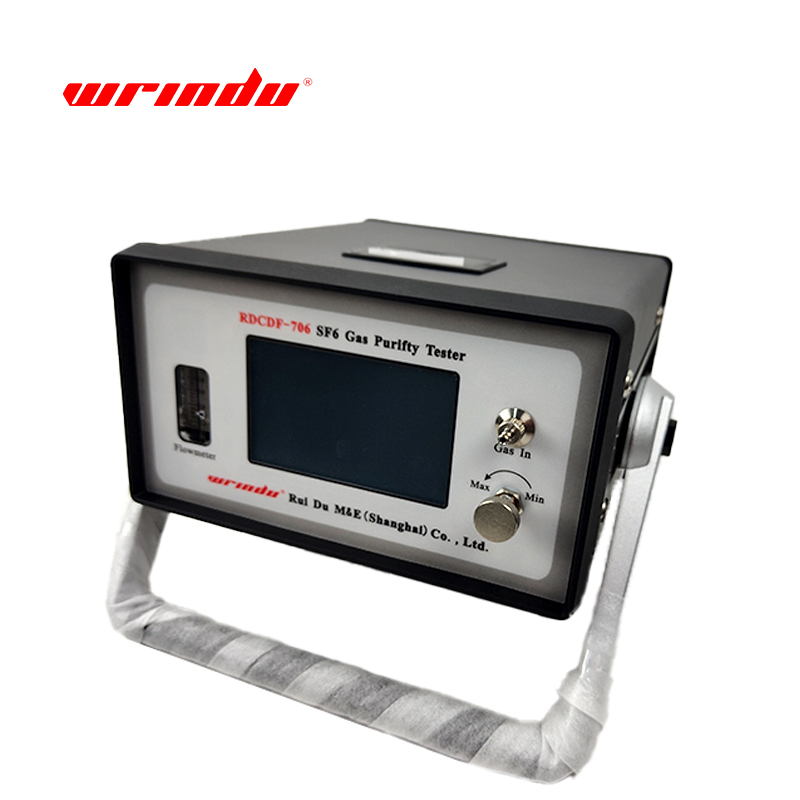 SF6 Leak Detector Sensitivity: Select a Method for the Inspection TaskKnowledge
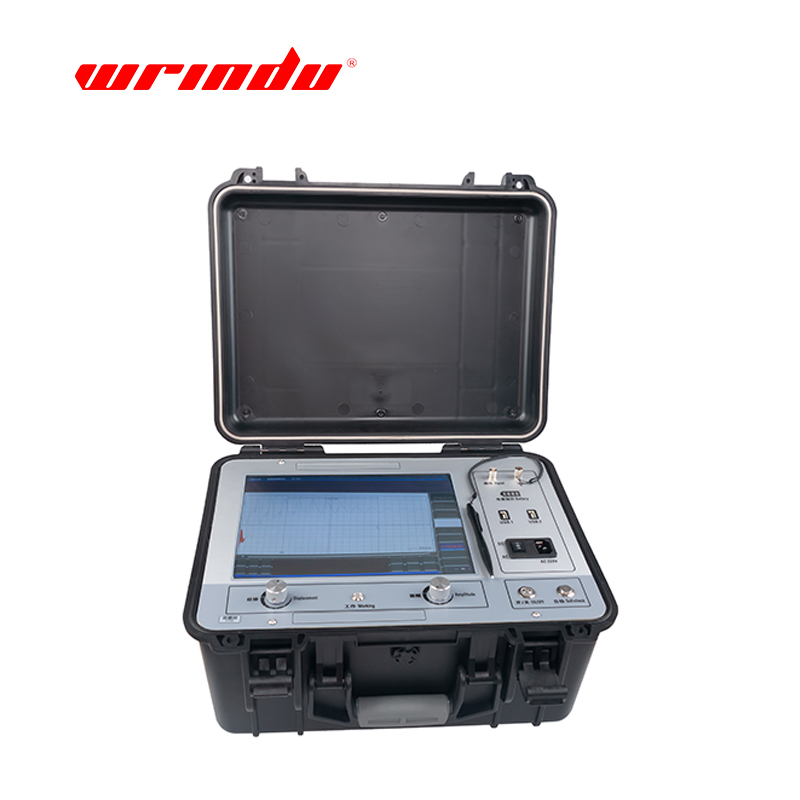 Cable Fault Locator Selection for Urban Networks: Routes, Noise and AccessKnowledge
 Substation Battery Load Bank Sizing: Duty, Voltage Range and Heat RejectionKnowledge
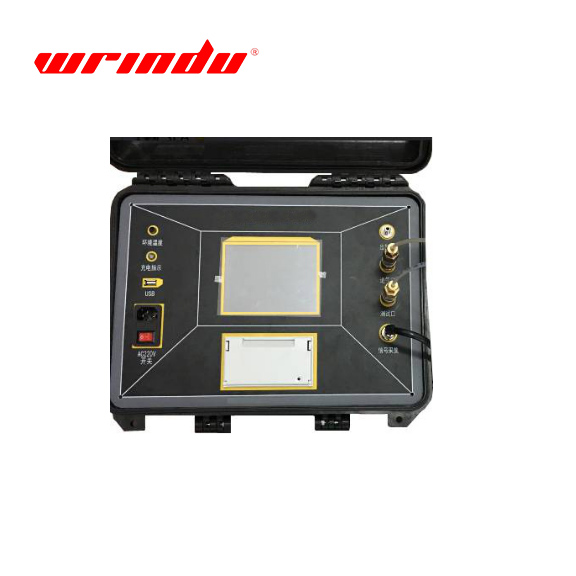 CT Polarity, Ratio and Burden Testing: Find Wiring and Loading ErrorsKnowledge