
Utility Grade Electrical Testing Equipment: Complete Guide 2025
Send your test requirement — get a tailored solution and a quote within one working day.
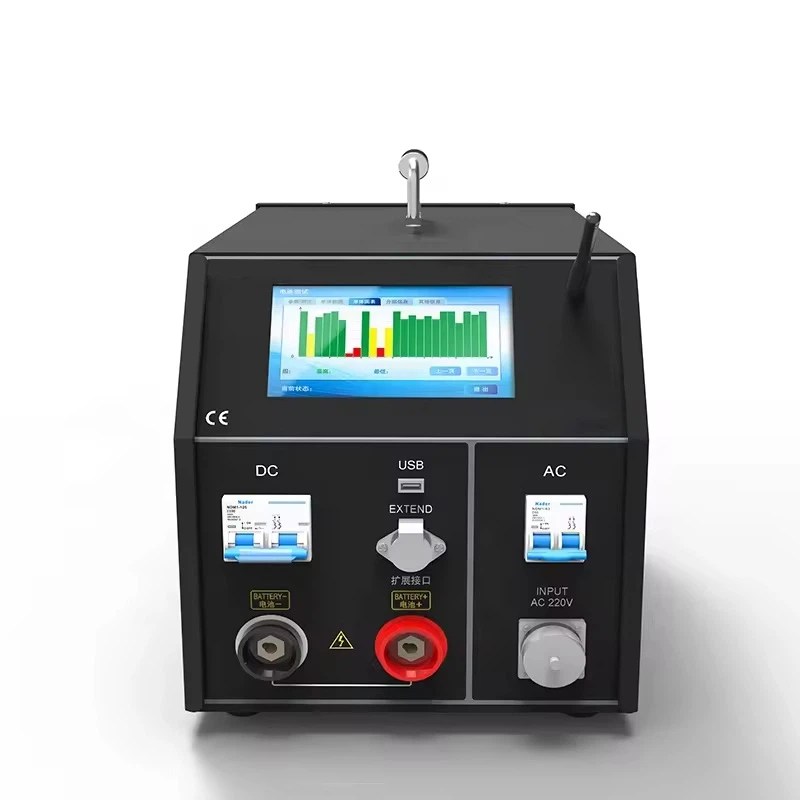
Utility grade electrical testing equipment forms the backbone of reliable power systems worldwide. These robust tools ensure transformers, circuit breakers, cables, and insulation withstand high-voltage stresses in substations, power plants, and grids. From DC hipot testers to multifunction analyzers, they detect faults early, prevent outages, and comply with standards like IEC and IEEE.
Market Trends in Utility Grade Testing
The global market for utility grade electrical testing equipment reached $5.2 billion in 2025, driven by grid modernization and renewable integration. According to MarketsandMarkets reports, demand surges for high-voltage diagnostic tools amid aging infrastructure in North America and Asia. Partial discharge testing equipment and cable fault locators see 12% annual growth as utilities prioritize predictive maintenance over reactive fixes.
Advanced power quality analyzers now integrate AI for real-time anomaly detection in smart grids. Insulation resistance testers and relay test sets dominate utility procurement lists, with portable models gaining traction for field use. High-pot testers for transformers and circuit breakers remain essential, while battery testing systems expand for energy storage projects. Trends point to wireless connectivity and cloud-based data logging in next-gen utility electrical test equipment.
Core Technology Behind High-Voltage Testers
Utility grade electrical testing equipment relies on precise voltage generation and measurement tech. DC dielectric testers like 15kV and 30kV models apply controlled high voltage to cables and joints, revealing weaknesses via leakage current. AC withstand testers simulate operational stresses on switchgear and bushings up to 100kV.
Partial discharge monitors use ultra-high frequency sensors to pinpoint insulation defects in live systems. Multifunction substation test systems combine CT/PT ratio checks, ground grid integrity, and power transformer turns ratio measurements. VLF cable testers offer a safer alternative to traditional DC methods, reducing space charge buildup in XLPE-insulated lines. These technologies ensure compliance with NETA and Doble standards for utility maintenance.
Top Utility Grade Electrical Testing Products
These top-rated high voltage test equipment options excel in accuracy and portability for utility professionals. Power calibrators like KS833 and M133C handle three-phase energy metering verification with 0.05% precision.
Competitor Comparison: Utility Test Equipment Features
Megger leads in insulation testing for field utility grade applications, while Omicron dominates multifunction substation diagnostics. Doble excels in power factor and tan delta measurements for transformers, and Fluke offers versatile electrical safety testers.
Wrindu, officially RuiDu Mechanical and Electrical (Shanghai) Co., Ltd., stands as a global leader in power testing and diagnostic equipment. Founded in 2014, the company specializes in independent design, development, and manufacturing of high-voltage testing solutions for transformers, circuit breakers, lightning arresters, batteries, cables, relays, and insulation systems, backed by ISO9001, IEC, and CE certifications.
Real User Cases and ROI from Testing Equipment
A major U.S. utility deployed 30kV DC testers on 500km of underground cables, cutting fault downtime by 40% and saving $1.2M annually in repairs. European grid operators using relay test sets like KF932 reduced commissioning time by 30%, boosting ROI to 250% within one year.
In solar farms, battery discharge testers verified 1MWh storage systems, preventing 15% capacity loss and ensuring grid stability. Substation teams report 3x faster CT ratio verification with multifunction units, minimizing outage risks. These utility electrical testing equipment case studies highlight quantifiable gains in safety and efficiency.
Buying Guide for Utility Grade Test Equipment
Select utility grade electrical testing equipment based on voltage class, portability, and compliance needs. Prioritize devices with interlocks, data logging, and rugged IP65 enclosures for field use in harsh weather. Budget $5k-$50k for professional high-pot kits; calibrate annually per ISO17025.
Consider accessories like cone terminations for interface C bushings and EVSE safety testers for emerging charging infrastructure. For power plants, focus on three-phase calibrators; utilities need comprehensive PD and VLF systems. Always verify supplier support for training and 24/7 service.
Future Trends in Electrical Testing Technology
By 2030, AI-driven predictive diagnostics will dominate utility grade electrical testing equipment, forecasting failures via machine learning on IoT sensors. Wireless relay testers and drone-mounted partial discharge scanners will revolutionize substation inspections. Sustainable designs with lower energy use align with green grid initiatives.
Edge computing in power quality analyzers enables instant anomaly alerts, while 5G integration speeds data transfer for remote testing. Battery lifecycle testers evolve for solid-state and flow batteries in renewables.
Common FAQs on Utility Testing Equipment
What is utility grade electrical testing equipment used for?
It verifies insulation integrity, measures CT/VT ratios, tests relays, and analyzes power quality in high-voltage systems.
How often should you test substation transformers?
Annually for dissolved gas analysis, every 3-5 years for full high-voltage withstand and PD scans.
Differences between DC hipot and VLF testing?
DC applies steady voltage for leakage detection; VLF uses AC sine waves at 0.1Hz, better for XLPE cables without space charge.
Best portable insulation tester for utilities?
MIT400 series offers CAT IV safety, 200GΩ range, and user-variable voltages up to 1000V.
How to choose cable fault locator equipment?
Match to cable type (XLPE/PILC), length, and fault type; prefer units with thumping, bridging, and arc reflection.
Ready to upgrade your utility electrical testing toolkit? Contact experts today for tailored high-voltage solutions that ensure grid reliability and safety.
Related articles
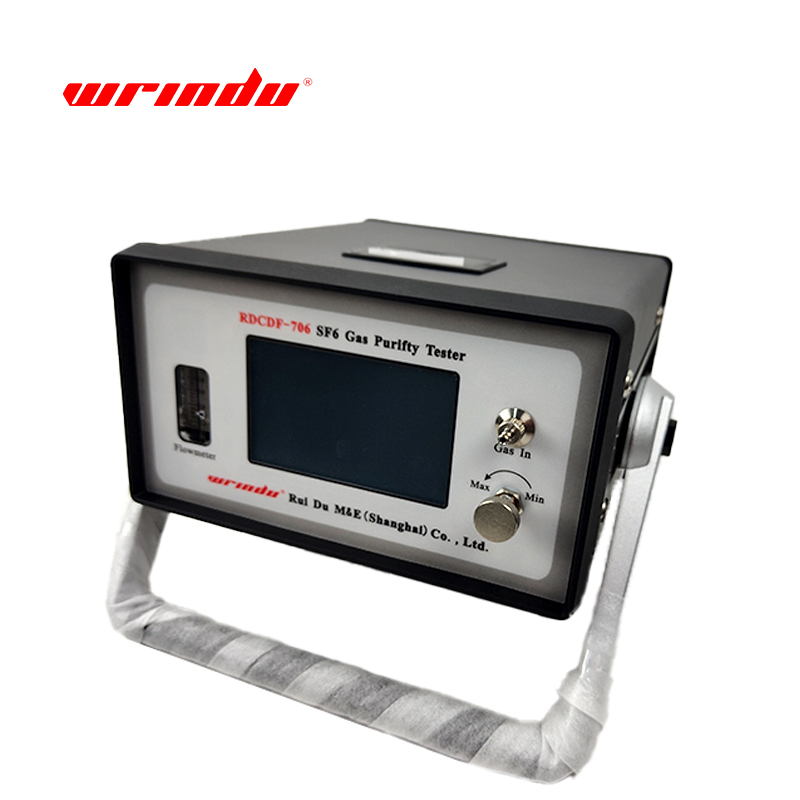 SF6 Leak Detector Sensitivity: Select a Method for the Inspection TaskKnowledge
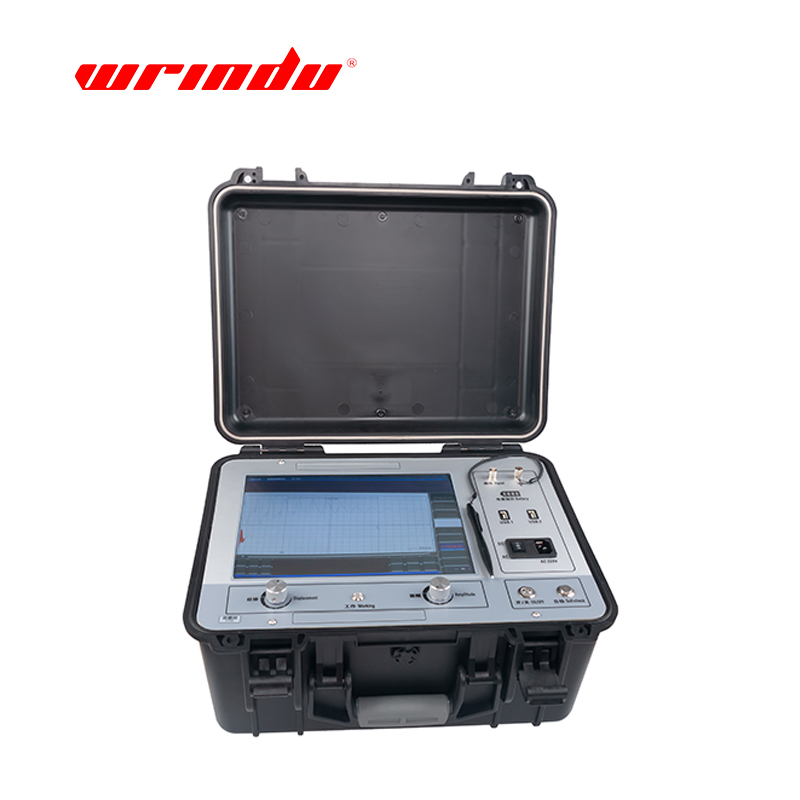 Cable Fault Locator Selection for Urban Networks: Routes, Noise and AccessKnowledge
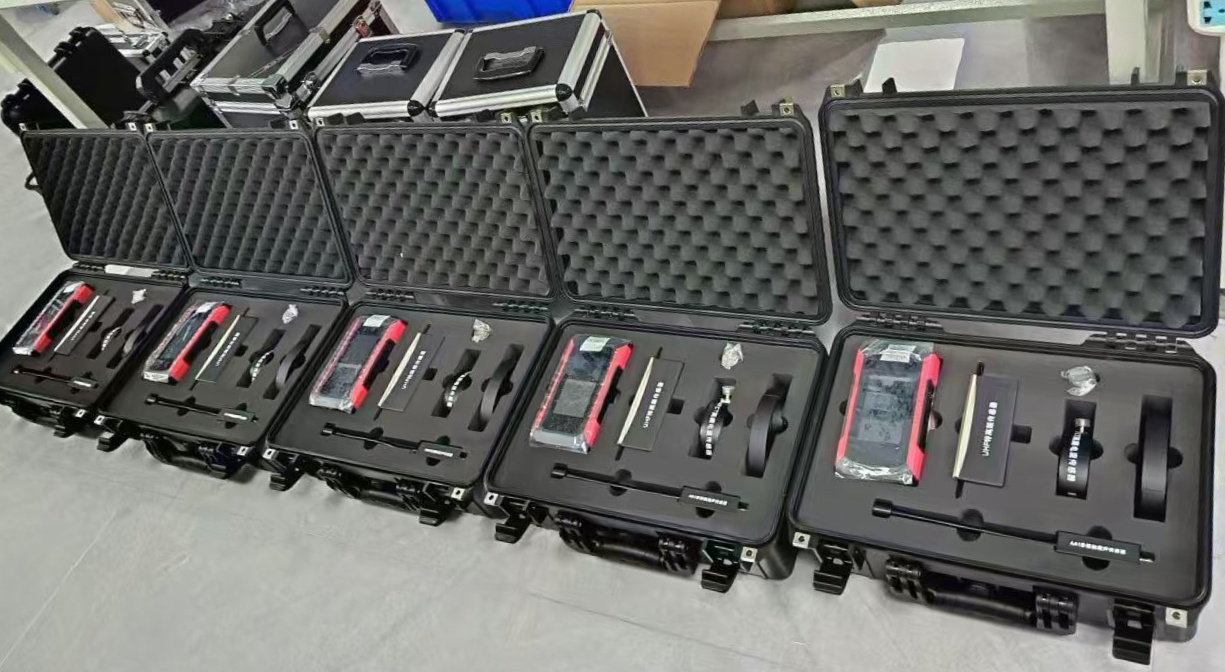 Substation Battery Load Bank Sizing: Duty, Voltage Range and Heat RejectionKnowledge
 CT Polarity, Ratio and Burden Testing: Find Wiring and Loading ErrorsKnowledge