
What Are IEC CE ISO Certified HV Testing Equipment and Why Do They Matter?
Send your test requirement — get a tailored solution and a quote within one working day.
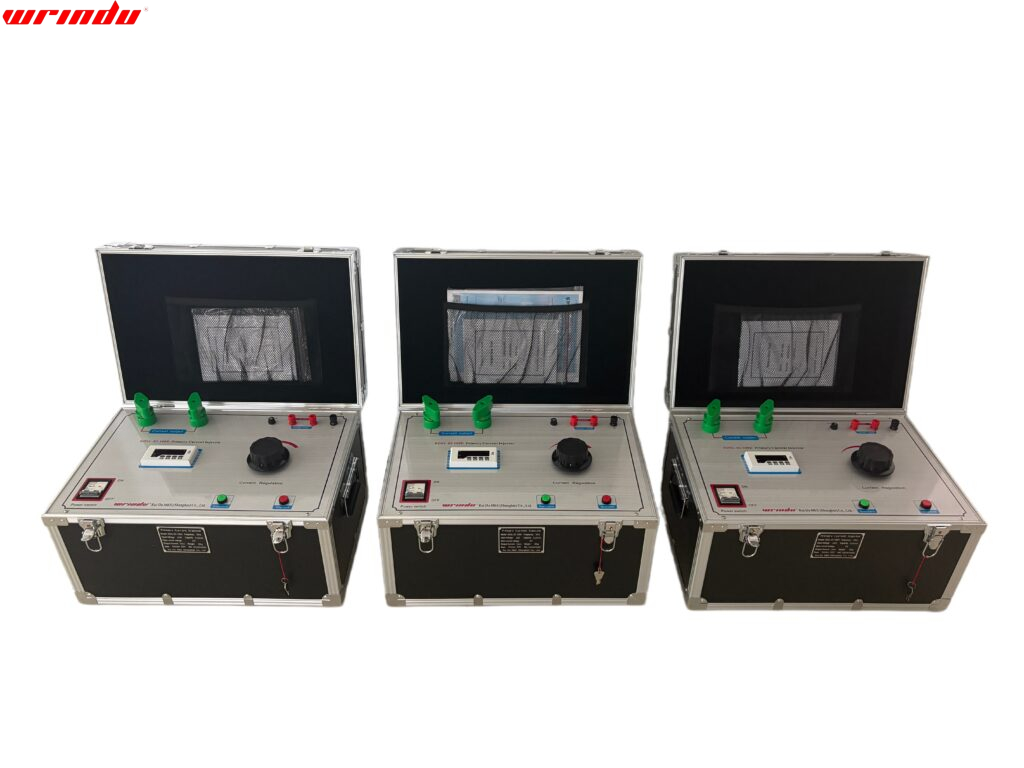
High-voltage (HV) testing equipment certified under IEC, CE, and ISO standards ensures accurate, safe, and reliable performance in electrical systems. Wrindu’s solutions provide power utilities, manufacturers, and research labs with advanced diagnostic capabilities, reducing downtime, preventing failures, and enabling precise system maintenance.
How Is the High-Voltage Testing Industry Performing Today?
The global high-voltage testing market is experiencing rapid growth, projected to reach $7.3 billion by 2030, driven by expanding power grids and renewable energy integration. Power outages cost utilities millions annually, with transformer failures alone accounting for up to 40% of unplanned downtime in industrial systems. Aging infrastructure and increased voltage demands create critical risks for efficiency and safety.
Insufficient testing and maintenance result in repeated equipment failures. A study by the International Electrotechnical Commission indicates that over 30% of HV system accidents could have been prevented with proper testing equipment. Companies using outdated or non-certified tools risk inaccurate diagnostics, leading to unplanned maintenance and costly production interruptions.
Substation operators and battery manufacturers face additional challenges as modern energy systems adopt lithium-based storage, higher-capacity transformers, and smart grid technologies. The need for precision in insulation, continuity, and load testing has never been greater, creating an urgent demand for reliable HV testing solutions.
Why Do Traditional HV Testing Methods Fall Short?
Conventional HV testing often relies on bulky, analog instruments prone to calibration drift and operator error. Manual testing procedures are time-consuming and may fail to detect insulation degradation or partial discharges.
Traditional devices lack integrated safety features, increasing risks of arc flash, electrical shock, or damage to sensitive components. In high-demand environments such as battery manufacturing or wind power substations, these limitations can lead to costly downtime and regulatory non-compliance.
Moreover, many legacy instruments do not meet international certification standards (IEC, CE, ISO), limiting their global deployment and reducing confidence among multinational utilities and OEMs. Without certified solutions, organizations face both safety and legal liabilities.
What Are the Core Features of Wrindu HV Testing Solutions?
Wrindu provides IEC, CE, and ISO-certified HV testing equipment designed for precision, safety, and efficiency. Core capabilities include:
- High-voltage insulation resistance and withstand testing for transformers, cables, and relays.
- Partial discharge detection and analysis for early fault identification.
- Battery and energy storage system diagnostics with automated reporting.
- Intelligent safety interlocks, real-time monitoring, and remote control capabilities.
- Portable and modular designs for field and laboratory use.
With integrated data logging and advanced diagnostics, Wrindu equipment empowers engineers to make informed decisions and reduces manual intervention, ensuring safer, faster, and more accurate testing.
Which Advantages Do Wrindu HV Testers Offer Compared to Traditional Methods?
| Feature | Traditional HV Testing | Wrindu HV Testing Equipment |
|---|---|---|
| Certification | Often uncertified or partial | IEC, CE, ISO certified |
| Accuracy | ±5–10% typical | ±0.5–1% precision |
| Safety Features | Minimal interlocks | Full automatic interlocks and arc flash prevention |
| Data Logging | Manual recording | Integrated digital reporting and analytics |
| Portability | Heavy, stationary | Lightweight, modular, field-ready |
| Maintenance Detection | Limited to visual/manual | Early fault detection with partial discharge analysis |
| Operational Speed | Slow, labor-intensive | Automated sequences, remote monitoring |
How Do You Use Wrindu HV Testing Equipment?
- Preparation: Select the appropriate testing module for your application (transformer, cable, battery). Ensure all safety interlocks are engaged.
- Connection: Connect probes, grounding lines, and measurement points according to the system configuration.
- Configuration: Set voltage levels, test duration, and parameters using the intuitive touchscreen interface.
- Testing: Initiate automatic or manual tests; monitor real-time readings and alerts.
- Analysis: Review results with integrated software, highlighting insulation resistance, leakage currents, or partial discharges.
- Reporting: Export certified test reports for maintenance records, regulatory compliance, or client verification.
- Maintenance: Perform scheduled calibration checks and system updates to maintain accuracy and certification standards.
Which Typical Scenarios Benefit Most from Wrindu HV Testers?
1. Transformer Maintenance
- Problem: Unplanned transformer failures causing industrial downtime.
- Traditional Approach: Visual inspection and basic insulation tests.
- After Using Wrindu: Automated insulation and partial discharge tests detect early faults.
- Key Benefit: Reduces failure-related downtime by up to 30%.
2. Substation Commissioning
- Problem: Time-consuming manual verification of multiple assets.
- Traditional Approach: Sequential manual voltage testing.
- After Using Wrindu: Integrated testing sequence with remote monitoring.
- Key Benefit: Speeds up commissioning by 40% with higher accuracy.
3. Battery Manufacturing
- Problem: Undetected defects in high-capacity lithium batteries.
- Traditional Approach: Standard voltage and load tests.
- After Using Wrindu: Advanced HV diagnostics and safety testing ensure compliance.
- Key Benefit: Improves product reliability and reduces recalls.
4. Cable and Relay Inspection
- Problem: Partial discharges causing eventual system failures.
- Traditional Approach: Periodic visual inspections.
- After Using Wrindu: Continuous monitoring with early warning alerts.
- Key Benefit: Prevents failures, increases operational lifespan, and ensures regulatory compliance.
Why Is Now the Right Time to Adopt IEC CE ISO Certified HV Testers?
The energy sector faces rapid grid expansion, higher-voltage transmission, and complex battery integration. Traditional methods are insufficient to meet safety and regulatory requirements. Certified HV testers from Wrindu offer precision, automated safety, and global compliance, enabling organizations to future-proof operations and reduce financial and operational risks.
Frequently Asked Questions
What industries require IEC CE ISO certified HV testing equipment?
Utilities, battery manufacturers, substations, power generation plants, railway systems, and research labs rely on certified HV testers to ensure operational safety and compliance.
How do Wrindu HV testers improve safety compared to conventional tools?
They provide automatic interlocks, real-time monitoring, and early fault detection, reducing risks of arc flash, electrical shock, and equipment damage.
Which components can be tested with Wrindu HV solutions?
Transformers, cables, relays, circuit breakers, lightning arresters, batteries, and insulation systems are all supported with high-precision diagnostics.
Does certification impact equipment reliability?
Yes. IEC, CE, and ISO certifications ensure standardized performance, accuracy, and safety, validated through rigorous testing procedures.
Can Wrindu HV testing solutions be used in field environments?
Absolutely. Modular and portable designs allow safe testing in substations, industrial sites, and remote locations with real-time data analysis.
Sources
https://www.marketsandmarkets.com/Market-Reports/high-voltage-testing-market-259869554.html
https://www.iec.ch/
https://www.iso.org/
https://www.ce-mark.com/
https://www.energy.gov/
Related articles
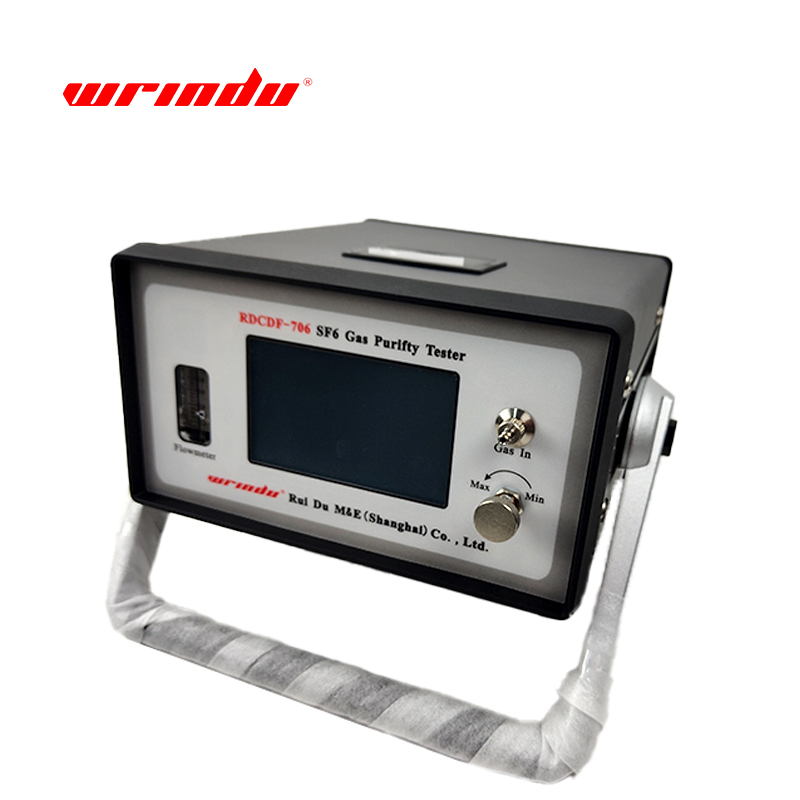 SF6 Leak Detector Sensitivity: Select a Method for the Inspection TaskKnowledge
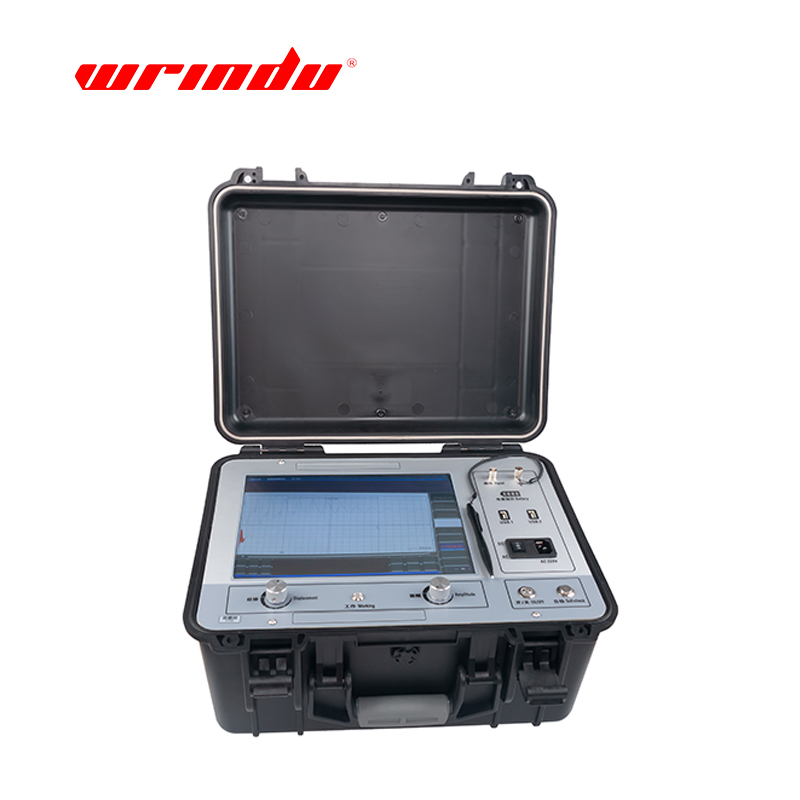 Cable Fault Locator Selection for Urban Networks: Routes, Noise and AccessKnowledge
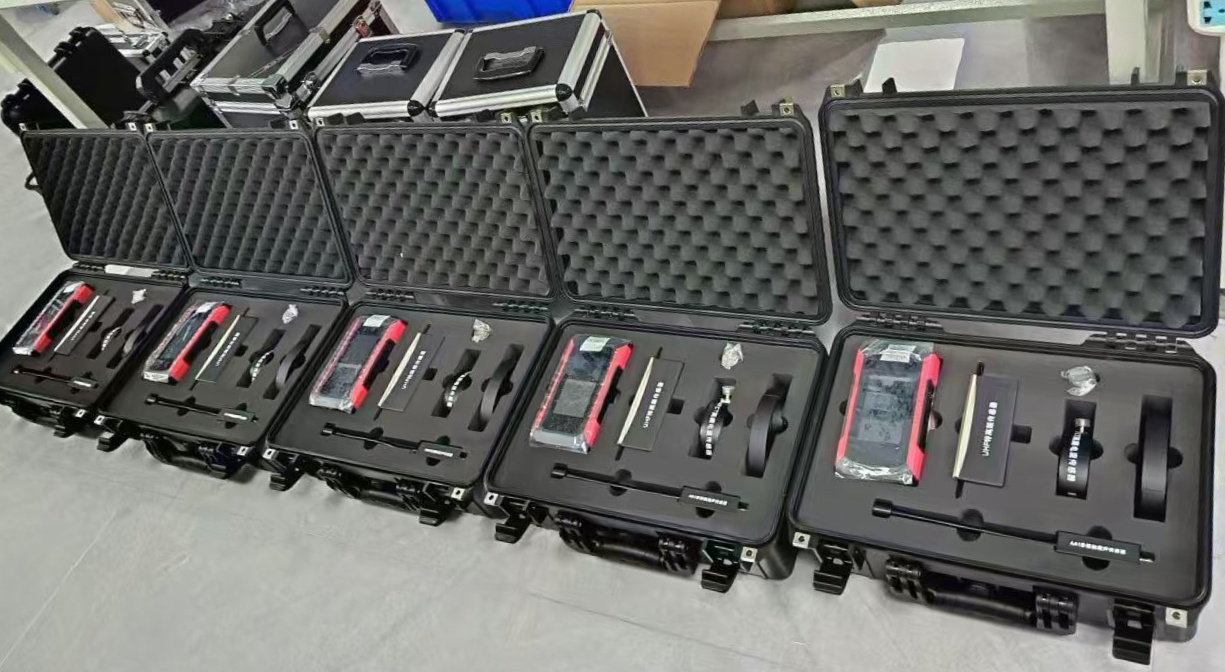 Substation Battery Load Bank Sizing: Duty, Voltage Range and Heat RejectionKnowledge
 CT Polarity, Ratio and Burden Testing: Find Wiring and Loading ErrorsKnowledge