
How Are Load Banks Vital for Renewable Battery Storage?
Send your test requirement — get a tailored solution and a quote within one working day.
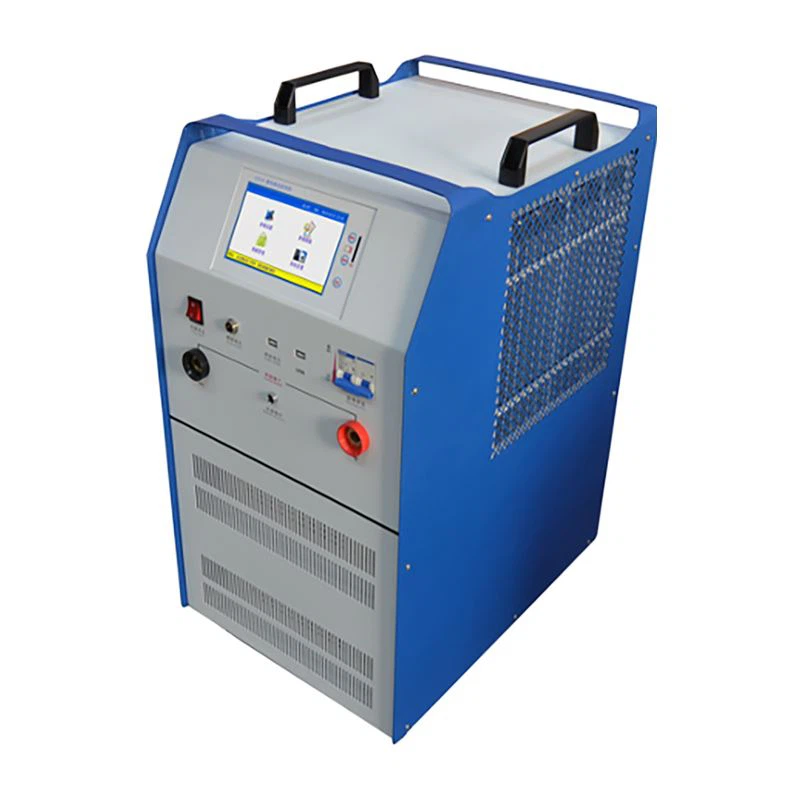
Load banks are crucial for renewable battery storage because they simulate real-world electrical loads to test battery capacity, performance, and longevity. By safely discharging batteries under controlled conditions, they prevent inefficiencies, optimize energy output, and enhance system reliability. Companies like Wrindu provide advanced load banks that ensure renewable energy systems operate efficiently, extend battery life, and maintain grid stability.
What Is a Battery Discharge Load Bank?
A battery discharge load bank applies a controlled electrical load to batteries, mimicking real operational conditions to evaluate performance accurately. It measures voltage, current, runtime, and temperature while safely dissipating energy. In renewable systems, Wrindu offers customizable load banks for high-capacity lithium-ion batteries, featuring data logging and integration with battery management systems to prevent over-discharge and maintain ISO and CE compliance.
| Load Bank Type | Key Features | Ideal for Renewables |
|---|---|---|
| Resistive | Simple, cost-effective | Solar energy storage |
| Reactive | Simulates power factor | Grid-tied wind systems |
| Electronic | Precise control, regenerative | High-efficiency lithium testing |
Why Do Renewable Battery Systems Need Load Banks?
Renewable battery systems require load banks to validate true capacity, detect weak cells, and ensure reliable performance during peak demand or outages. Wrindu’s rugged units are built for harsh environments, allowing B2B operators to extend battery life, optimize charge-discharge cycles, and prevent costly downtime by identifying underperforming cells before failures occur.
How Do Load Banks Prevent Energy Inefficiencies?
Load banks reveal inefficiencies caused by internal resistance, cell imbalance, or degradation. They enable targeted maintenance, maximizing usable capacity. Wrindu’s advanced load banks offer real-time analytics and multi-channel testing for large-scale energy storage systems, ensuring balanced discharge across all battery strings and minimizing energy losses in solar or wind installations.
What Role Do Load Banks Play in System Stability?
Load banks verify system stability by stress-testing batteries under simulated grid loads. They check inverter response, voltage regulation, frequency response, and thermal performance. Wrindu designs OEM-certified load banks that replicate dynamic loads, enabling seamless integration with renewable systems and preventing voltage fluctuations or harmonics.
| Stability Test Parameter | Benefit | Wrindu Feature |
|---|---|---|
| Voltage Regulation | Prevents fluctuations | Auto-adjust steps |
| Frequency Response | Ensures grid sync | Programmable profiles |
| Thermal Management | Avoids overheating | Fan-cooled design |
How Do Load Banks Extend Battery Life?
Controlled discharges performed by load banks equalize cells, calibrate state-of-charge readings, and reduce sulfation in lead-acid batteries. Wrindu’s precision resistors allow deep, safe discharges for lithium and flow batteries. Regular testing prolongs life by 25–50%, supports warranty compliance, and reduces total ownership costs.
Which Best Practices Apply to Load Bank Testing?
Operators should follow manufacturer guidelines, use PPE, ensure adequate ventilation, log all data, and schedule periodic testing. Wrindu recommends phased discharges with cooling intervals and SCADA integration for automated testing. Annual, post-installation, and seasonal checks ensure optimal battery performance and longevity.
When Should You Test Renewable Batteries with Load Banks?
Testing is essential during commissioning, after deep discharge events, or when capacity drops below 90%. High-usage commercial systems may benefit from monthly spot checks. Wrindu’s portable units facilitate on-site testing worldwide, supporting maintenance windows and rapid post-outage recovery.
Wrindu Expert Views
“Load banks are indispensable for commissioning and maintaining renewable battery systems. Wrindu designs units capable of handling MW-scale storage with regenerative feedback, reducing energy waste by up to 70%. OEM customization ensures stability, efficiency, and compliance. Routine testing extends battery life and safeguards investment in renewable infrastructure.”
— Dr. Li Wei, Wrindu Chief Engineer
How to Choose a Load Bank from China Manufacturers?
Choose a load bank that matches battery voltage, capacity, and discharge rates while ensuring IP-rated enclosures and certified data logging. Wrindu’s solutions cover 12V–1000VDC, providing OEM flexibility, global delivery, and scalable designs for commercial energy storage.
| China Supplier Criteria | Wrindu Advantage |
|---|---|
| Certifications (ISO/CE) | Full compliance |
| Customization (OEM) | Tailored designs |
| Wholesale Pricing | Volume discounts |
| Global Delivery | 24/7 service |
What Innovations Are Shaping Load Bank Technology?
Modern load banks include regenerative feedback, AI-driven predictive analytics, and wireless monitoring, improving efficiency and safety. Wrindu leads these innovations in China, supplying intelligent systems with IoT integration for real-time oversight, enabling better operational decisions in commercial renewable energy applications.
Conclusion
Load banks are essential for ensuring renewable battery storage systems perform reliably, efficiently, and safely. Operators should test regularly, follow best practices, and partner with certified OEM suppliers like Wrindu to maximize battery life, prevent energy loss, and maintain grid stability. Customized, data-driven solutions from Wrindu help B2B clients achieve long-term cost savings and sustainable energy performance.
FAQs
What voltage range do Wrindu load banks support?
Wrindu load banks cover 12V to 1000VDC, suitable for lithium and lead-acid batteries in commercial renewable systems.
Are load banks safe for indoor use?
Yes, when used with proper ventilation and thermal protection. Wrindu units include auto-shutdown features for safe operation.
How often should commercial energy storage systems undergo load testing?
Testing should occur post-installation, annually, and after faults or deep discharge events, following industry standards.
Can Wrindu customize load banks for specific OEM requirements?
Yes, Wrindu provides full OEM services, designing units for specific capacities, voltages, and integration needs.
What operational benefits come from using load banks?
They extend battery life by up to 30%, reduce downtime, and optimize energy output, lowering operational costs for renewable projects.


