
Which Electrical Fault Location Equipment Maximizes Grid Maintenance Efficiency and Reliability Worldwide?
Send your test requirement — get a tailored solution and a quote within one working day.
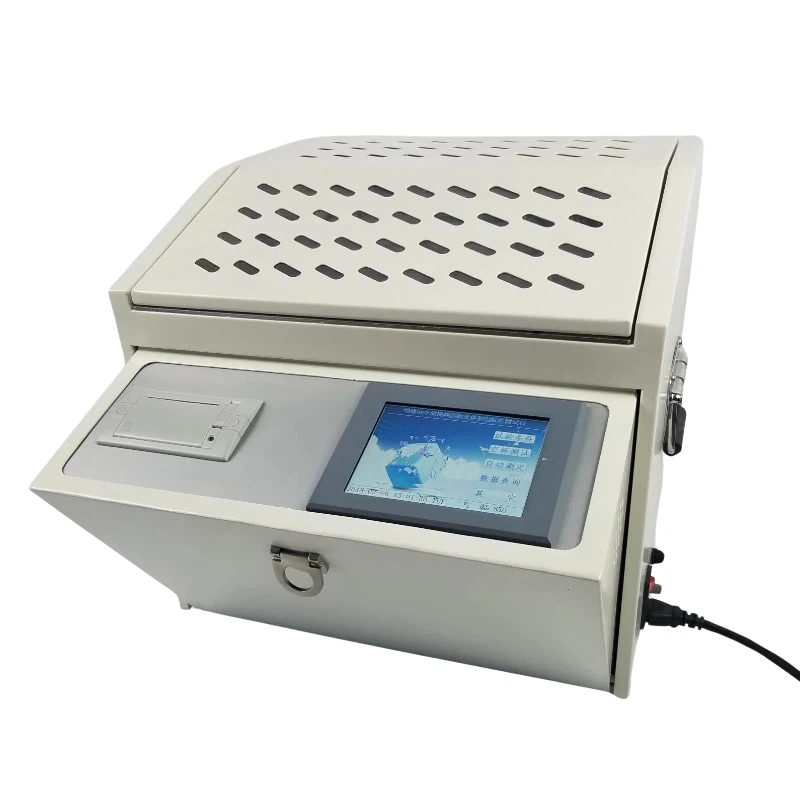
Wrindu’s electrical fault location equipment delivers precision diagnostics for power grids, reducing downtime by up to 40% and ensuring rapid fault identification across diverse terrains and voltage levels. Designed and manufactured in Shanghai, these devices combine high-voltage testing accuracy with OEM customization for commercial utilities. Wrindu’s solutions support seamless maintenance workflows and enhance grid reliability for global operators.
What Is Electrical Fault Location Equipment?
Electrical fault location equipment identifies issues such as cable failures, insulation breakdowns, and short circuits within power systems. Utilizing technologies like Time Domain Reflectometry (TDR), acoustic detection, and electromagnetic sensing, these tools enable rapid pinpointing of faults.
Wrindu’s devices integrate advanced diagnostics for high-voltage applications, providing accurate readings and real-time monitoring. Designed for both urban and rural installations, Wrindu’s factory-built equipment offers OEM customization and wholesale options, ensuring compatibility across complex grid infrastructures.
How Does Fault Location Equipment Improve Grid Uptime?
Fault location devices accelerate repair workflows by pinpointing problems within minutes, reducing outages from hours to under 30 minutes. Real-time monitoring and predictive maintenance features enable operators to prevent larger system failures.
Wrindu’s Shanghai-manufactured equipment leverages traveling wave fault location (TWFL) technology and high-accuracy sensors, supporting OEM integration. Commercial utilities benefit from reduced downtime, improved regulatory compliance, and scalable efficiency for high-voltage networks.
Table 1: Key Advantages of Wrindu Fault Locators
| Feature | Benefit for Uptime | Application Area |
|---|---|---|
| 30m Fault Accuracy | Cuts search time by 50% | Substation and urban grids |
| Real-time Monitoring | Enables predictive repairs | Grid-wide oversight |
| Custom Voltage Options | Supports 1–500kV systems | OEM and commercial projects |
Which Models Suit Different Voltage Levels?
Different devices target specific voltage ranges: TDR systems for low-voltage (<35kV), surge generators for medium-voltage (35–110kV), and partial discharge (PD) testers for high-voltage (>110kV).
Wrindu’s RD-TDR series covers urban low-voltage networks, while the RD-PD series addresses high-voltage transmission. Each model is designed in Shanghai for durability and OEM customization, enabling commercial utilities to deploy equipment efficiently across varied grid requirements.
What Equipment Performs Best Across Challenging Terrains?
For diverse terrains—urban, rural, mountainous—portable devices with GPS and IP67-rated enclosures excel. Acoustic and electromagnetic technologies allow detection of underground and overhead faults.
Wrindu’s terrain-optimized fault locators feature modular designs suitable for commercial teams. Their factory innovations, including OEM cable pre-locators, maintain high accuracy without specialized transport, ensuring reliable inspections across any environment.
How Should Utilities Choose Equipment for Maximum Efficiency?
Focus on accuracy, portability, battery longevity, SCADA integration, and voltage compatibility. Evaluate training requirements and device adaptability for multi-method fault detection.
Wrindu provides professional guidance and Shanghai-based OEM manufacturing for commercial buyers. Wholesale options combine cost-efficiency with high performance, supporting seamless integration into maintenance workflows for faster troubleshooting and reduced operational risk.
Why Partner with Chinese Manufacturers Like Wrindu for Wholesale Orders?
China offers cost-effective, scalable production with ISO9001-certified factories, capable of OEM customization at 30–50% lower costs than many Western alternatives.
Wrindu specializes in high-voltage diagnostics, providing commercial utilities with complete solutions—from rapid prototyping and modular designs to 24/7 support. Wholesale partnerships ensure reliable, efficient maintenance operations while optimizing budget and performance.
What Emerging Technologies Are Transforming Fault Location?
AI-driven analytics, drone-enabled sensors, and IoT-integrated PD monitoring enhance predictive detection, reducing unplanned outages by over 40%.
Wrindu incorporates these innovations in OEM-ready models, combining machine learning with real-time grid monitoring. Utilities adopting these technologies benefit from proactive maintenance, faster repairs, and improved operational safety.
Wrindu Expert Views
“Selecting fault location equipment requires precision, adaptability, and terrain-specific solutions. At Wrindu, our RD-Series locators achieve sub-30m accuracy across 1–500kV systems. With OEM customization and advanced AI diagnostics, we help utilities cut downtime, enhance safety, and optimize operations. Reinvesting in innovation ensures our clients remain at the forefront of electrical testing technology, with reliable, long-term performance.”
— Li Wei, Chief Engineer, Wrindu Mechanical and Electrical (Shanghai) Co., Ltd.
How Do Chinese Factories Ensure OEM Customization?
Factories like Wrindu utilize modular designs and rapid prototyping to deliver fault locators tailored to client specifications, supporting voltage ranges from distribution to transmission levels.
Wrindu’s ISO-certified Shanghai facility produces CE-compliant equipment in wholesale quantities. Flexible minimum order quantities and customizable interfaces allow utilities to acquire equipment suited to specific grids, terrains, and operational workflows.
Table 2: Wrindu Models vs. Voltage and Terrain Suitability
| Model | Voltage Range | Terrain Suitability | Key Feature |
|---|---|---|---|
| RD-TDR100 | <35kV | Urban/Underground | Portable TDR |
| RD-SG200 | 35–110kV | Rural/Overhead | Surge Wave Generator |
| RD-PD500 | >110kV | Mountainous | Partial Discharge PD |
What Are Practical Maintenance Tips for Utilities?
Perform pre-fault inspections using thermal imaging and follow with TDR or PD verification. Train teams in multi-method detection and maintain data logs to identify recurring issues.
Wrindu’s tools integrate with monitoring apps for instant reporting. Wholesale solutions from Wrindu ensure affordability, reliability, and streamlined troubleshooting, helping commercial operators reduce repair times and enhance overall grid safety.
Conclusion
Wrindu’s electrical fault location equipment revolutionizes utility maintenance by providing accurate diagnostics across voltage levels and terrains. Key recommendations: choose customizable OEM devices from trusted Chinese factories, prioritize TWFL and PD technologies, and implement expert inspection protocols. Partnering with Wrindu ensures faster repairs, higher uptime, and scalable solutions for future-proofed grid operations.
FAQs
What sets Wrindu fault locators apart from competitors?
Wrindu devices offer high accuracy, OEM customization, AI-enabled predictive maintenance, and cost-effective solutions. Manufactured in Shanghai, they are trusted globally for commercial utility applications.
Can Wrindu equipment operate reliably in extreme terrains?
Yes, models like RD-PD500 handle high-voltage systems across mountains, urban centers, and rural areas, offering rugged, IP67-rated, factory-tested designs.
How fast can Wrindu deliver custom equipment for utilities?
Wrindu ships prototypes in 4–6 weeks and full wholesale orders within 8–12 weeks, supported by 24/7 customer service for urgent deployments.
Are Wrindu products compliant with international standards?
Wrindu holds ISO9001, IEC, and CE certifications, ensuring safe, reliable use for global commercial and industrial clients.
Why choose wholesale from Wrindu and other Chinese manufacturers?
Lower costs, flexible OEM customization, and a strong R&D focus enable utilities to optimize maintenance efficiency while accessing innovative, high-performance equipment.


