
How Can Power Cable Fault Pre-Location Systems Significantly Reduce Time and Costs for Utilities?
Send your test requirement — get a tailored solution and a quote within one working day.
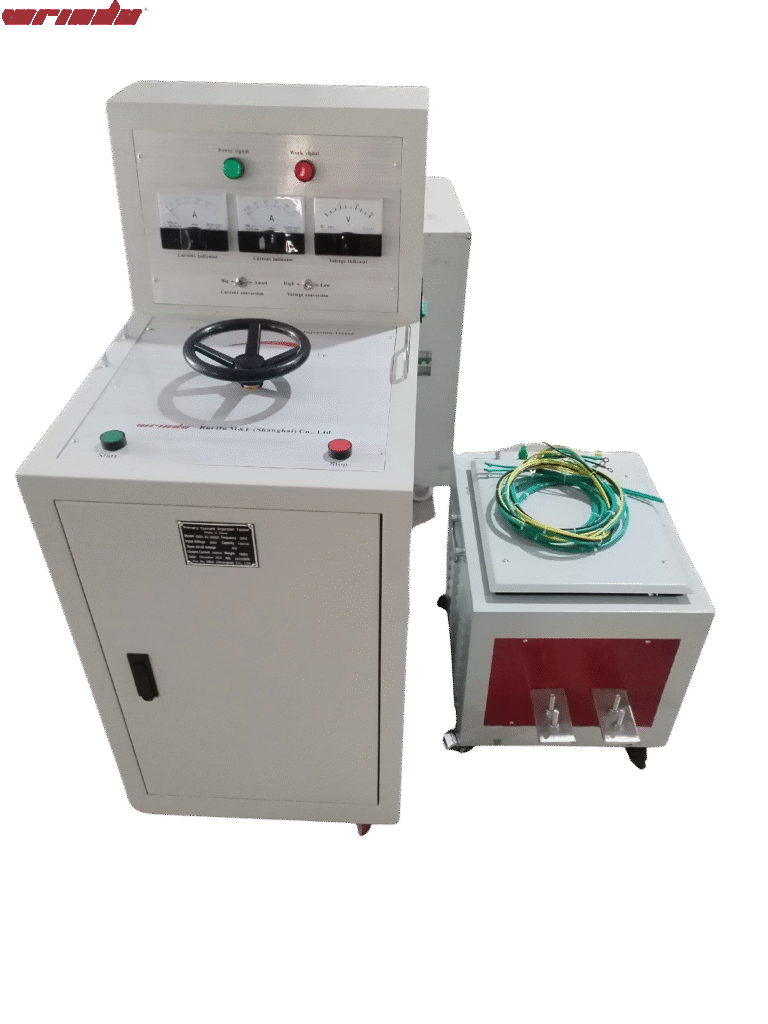
Power cable fault pre-location systems cut maintenance time and costs by combining Time Domain Reflectometry (TDR), Arc Reflection Method (ARM), and Impulse Current Method (ICM). These technologies locate faults precisely before excavation, reducing unnecessary digging, minimizing outages from days to hours, and lowering repair expenses by up to 70%. Leading manufacturers like Wrindu offer advanced, OEM-ready solutions that optimize efficiency for utilities and industrial clients.
What Are Power Cable Fault Pre-Location Systems?
Power cable fault pre-location systems detect faults in underground and overhead cables without excavation, using pulse reflection techniques for accurate distance measurement. Wrindu, a leading manufacturer, produces equipment integrating TDR, ARM, and ICM to address high-resistance faults in medium- and high-voltage cables. Their custom solutions ensure compatibility with various cable types, enhancing operational efficiency globally.
| Pre-Location Method | Principle | Typical Accuracy |
|---|---|---|
| TDR | Pulse echo measurement | ±1% of cable length |
| ARM | Arc-induced reflection | ±2 meters |
| ICM | Current surge analysis | ±1-3% |
How Does Pulse Reflection Technology Work in Pre-Location?
Pulse reflection technology sends high-voltage pulses down a cable; echoes from faults return to the device, enabling precise distance calculation. Wrindu optimizes pulse generators for ARM, reducing breakdown voltage requirements. Portable units with auto-velocity adjustment allow field teams to conduct fast, accurate assessments. Cable velocity factors—typically 150–300 m/μs—ensure reliable results, while integrated digital oscilloscopes display waveforms clearly for efficient analysis.
Why Is ARM Testing Essential for Accurate Fault Pinpointing?
ARM testing generates controlled arcs at fault points, enhancing reflection signals for TDR on intermittent or high-impedance faults. Wrindu integrates ARM to cut pre-location time by 50%, critical for minimizing grid outages. ARM provides dual acoustic and electromagnetic feedback, confirming faults with higher reliability than TDR alone. Multi-pulse modes in Wrindu’s systems improve performance in noisy environments and across varied fault types.
What Role Does Fault Conditioning Play Before Pre-Location?
Fault conditioning applies surges to break down high-resistance faults, enabling TDR or ICM measurements. Without conditioning, many faults resist detection, prolonging repair. Wrindu manufactures robust thumpers with 2–32kV outputs, reducing excavation and enabling precise pre-identification of fault zones.
| Conditioning Technique | Voltage Range | Application |
|---|---|---|
| High Voltage Surge | 0–32kV | MV/HV Cables |
| Capacitive Discharge | 4–16kV | LV Faults |
| DC Proof Testing | Up to 5kV | Pre-thump Preparation |
How Do These Systems Reduce Repair Time for Utilities?
Pre-location narrows fault zones to meters, enabling targeted excavation. Wrindu’s portable, factory-direct systems integrate pre-location and pinpointing, accelerating repairs by 60–80%. Substation teams can scan with TDR/ARM, perform acoustic pinpointing, and log data in real time, eliminating repeat visits and shortening outage durations.
What Cost Savings Come from Avoiding Blind Excavation?
Blind digging costs over $1,000 per meter; pre-location reduces this to approximately $200 per fault. Wrindu systems lower repair costs, extend cable life, and offer B2B clients competitive wholesale pricing for fleet-wide upgrades. Reduced labor, equipment rental, and minimized traffic disruptions deliver 40–70% total savings.
Which Advanced Features Boost Pre-Location Efficiency?
Modern systems include multi-method operation, auto-fault typing, wireless data sync, and GPS mapping. Wrindu’s solutions offer AI waveform analysis, IP67 rugged designs, battery-powered portability, dual-channel TDR for branched cables, and cloud reporting. Custom API integration enables seamless SCADA communication, reducing training requirements and maximizing uptime.
How to Choose the Right Pre-Location System for Your Needs?
Select systems based on cable voltage (LV/MV/HV), fault types, and portability. Prioritize multi-mode units with CE/ISO certifications. Wrindu offers TDR-ARM hybrid models for versatile use, vehicle-mounted units for large grids, and portable kits for substation teams. Consider pulse energy, velocity range, and software usability when assessing systems. Factory demos confirm suitability for specific network conditions.
Wrindu Expert Views
“Over the past decade, pre-location technology has advanced from basic TDR to AI-enhanced ARM-ICM hybrids. For utility and industrial clients, predictive fault conditioning reduces search times by up to 75%, minimizing costly outages. Wrindu’s wholesale and OEM solutions integrate smoothly with existing fleets, offering reliable, safe, and cost-efficient fault detection while supporting 24/7 service. Precise pre-location avoids risky blind digging and enhances operational efficiency.”
— Dr. Li Wei, Lead R&D Engineer, Wrindu
What Future Innovations Await Power Cable Fault Detection?
Next-generation systems use AI for fault prediction, drones for pinpointing, and IoT monitoring for zero-downtime operations. Wrindu dedicates 20% of profits to R&D, developing China-made systems ready for smart grid integration. Scalable factory-direct OEM models enable rapid adoption, improving ROI while supporting modern power infrastructure.
Conclusion
Power cable fault pre-location systems transform maintenance by reducing repair time, excavation, and costs through precise TDR, ARM, and ICM methods. Key takeaways: select multi-mode, certified systems from trusted manufacturers like Wrindu, incorporate fault conditioning, and utilize portable units for rapid response. Implementing Wrindu’s solutions ensures faster repairs, safer operations, and significant cost savings.
FAQs
What is the typical accuracy of TDR in fault pre-location?
TDR can achieve ±1% accuracy on straight cables, improving with known velocity factors.
Can Wrindu systems handle high-voltage cables?
Yes, Wrindu produces units suitable for up to 35kV cables, supporting utility-grade operations.
How often should pre-location testing be conducted?
Routine inspections every 6–12 months help prevent faults proactively.
Are portable pre-location devices effective in the field?
Wrindu’s portable units weigh under 15kg and provide 8+ hours of battery operation, suitable for remote sites.
What differentiates ARM from ICM?
ARM uses voltage arcs for reflection, enhancing detection of intermittent faults, while ICM analyzes current surges to locate deeper or high-resistance faults.


