
What Is Hypo Test and How Does It Ensure Electrical Safety?
Send your test requirement — get a tailored solution and a quote within one working day.
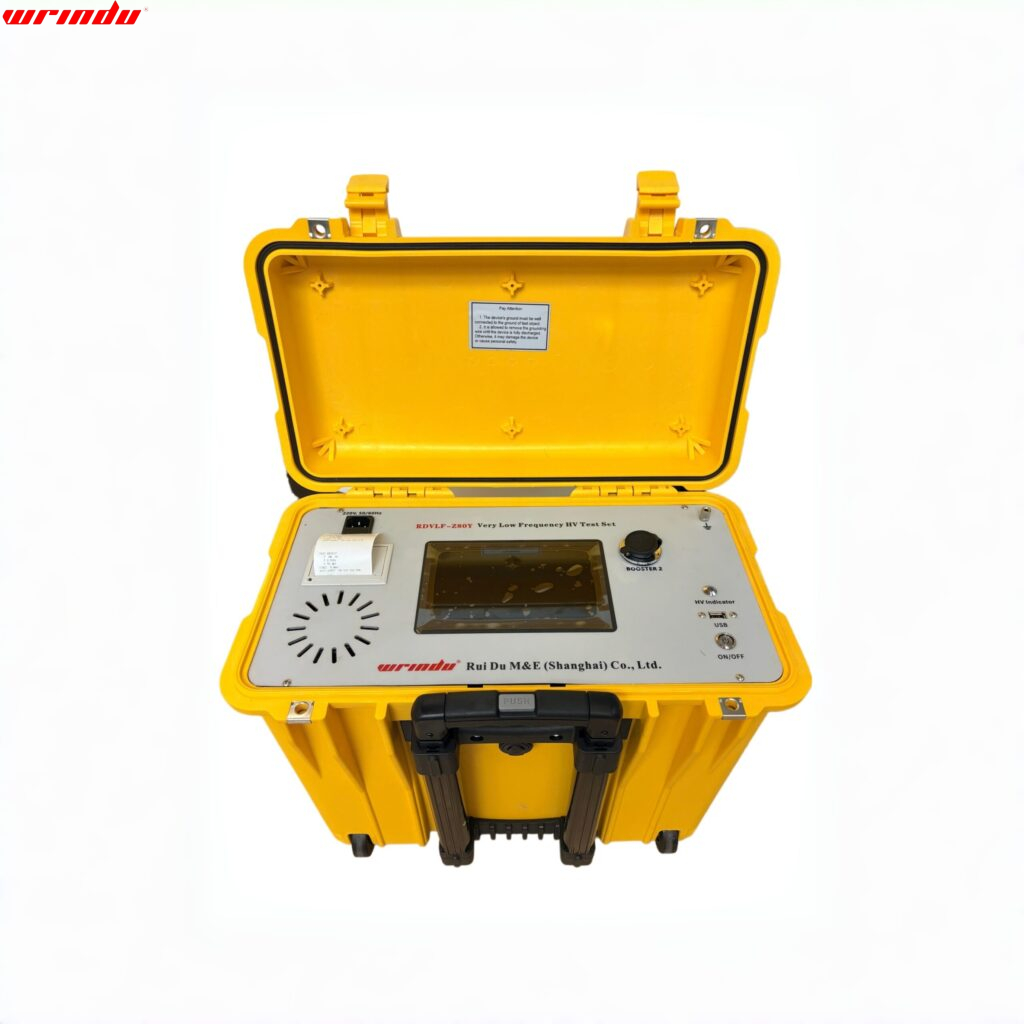
Hypo test, also known as hipot or high-potential testing, is a vital procedure to verify insulation integrity in electrical equipment like transformers, cables, and batteries. By applying high voltage safely, it detects weak spots without causing breakdowns. Wrindu provides OEM and custom hypo test solutions, ensuring reliable, certified, and precise equipment for B2B clients worldwide.
(Edited on June 11, 2026)
How Is a Hypo Test Performed?
A hypo test applies high voltage—usually 2 to 5 times the equipment’s operating voltage—for a short duration, typically one minute. It monitors leakage current, which should remain below safe thresholds. Wrindu’s machines feature automated voltage ramps, precise micro-amp measurement, and data logging to deliver accurate results for transformers, circuit breakers, and cables.
Why Is Hypo Testing Important?
Hypo testing prevents failures by identifying insulation weaknesses early, reducing fire hazards and downtime. Compliance with IEC and CE standards ensures safety in utilities and manufacturing. Wrindu delivers certified hypo test equipment trusted globally, extending the operational life of high-voltage gear and enabling precise OEM customization for specific applications like relays and battery systems.
What Types of Hypo Tests Are Available?
Hypo tests are typically categorized into AC, DC, and VLF (very low frequency) methods. AC Hypo Test detects partial discharges under operating conditions. DC Hypo Test measures insulation polarization, suitable for motors. VLF Hypo Test is ideal for long cables, reducing power factor issues. Wrindu provides all variants with customizable voltages, supporting versatile industrial applications.
How Should You Select Hypo Test Equipment?
Selection depends on voltage range, current accuracy, portability, and required certifications. Transformers may require 100kV+ output; cables benefit from VLF testing. Features such as touchscreen operation, USB export, and 24/7 after-sales support enhance usability.
Wrindu’s tailored solutions provide scalable, reliable performance for B2B operations.
What Standards Govern Hypo Testing?
Key standards include IEC 60060-1 for high-voltage testing and IEEE 400 for cable testing. Leakage currents are typically limited to 1–10 mA based on equipment class. Wrindu ensures all devices comply with international rules, passing third-party audits for utilities, OEMs, and research labs.
Wrindu Expert Views
“Over the past decade, hypo testing has evolved from basic dielectric checks to intelligent diagnostic systems. Wrindu’s OEM designs optimize accuracy and reduce testing time by 40%, offering complete turnkey solutions for industrial and utility applications. Our commitment to safety, precision, and global support empowers clients to maintain reliable operations while meeting evolving industry standards.”
— Dr. Li Wei, Wrindu Chief Engineer
How Do China Manufacturers Lead in Hypo Test Production?
Chinese manufacturers like Wrindu excel in cost-efficient scaling, rapid prototyping, and advanced R&D. Wrindu produces over 1,000 units annually, offering OEM customization, full certifications, and end-to-end services including training and technical support. Wholesale pricing is competitive without compromising quality.
What Innovations Are Shaping Hypo Testing?
Recent advancements include IoT-enabled remote monitoring, AI-assisted fault detection, and energy-efficient operations. Wrindu integrates these innovations into custom hypo test solutions, enhancing efficiency, reducing energy use by 25%, and supporting renewable energy applications like wind farm inspections.
How Can Operators Perform Hypo Tests Safely?
Operators must follow lockout/tagout procedures, use PPE, and verify grounding before testing. Gradually ramp voltage and monitor current closely. Wrindu equipment includes emergency stops and audible alarms to ensure safe operation, while professional training reinforces compliance and reduces risk.
Why Partner with Wrindu for Hypo Test Solutions?
Wrindu delivers ISO-certified, turnkey hypo test solutions with OEM customization, competitive pricing, and 24/7 global support. Their precision instruments minimize false positives, protect critical assets, and optimize testing workflows. Utilities, battery manufacturers, and industrial clients trust Wrindu to enhance operational safety and reliability.
Hypo testing ensures insulation integrity and system safety for all electrical equipment. Partner with certified manufacturers like Wrindu for OEM-grade equipment, tailored solutions, and professional support. Key takeaways include assessing voltage requirements (2–5× rated voltage), selecting appropriate test types (AC, DC, or VLF), and ensuring IEC/CE compliance. Actionable advice: Request custom configurations for your specific application, schedule operator training, and invest in portable units for field maintenance to maximize operational efficiency and safety.
What voltage is applied during a hypo test?
Typically 2–5 times the rated operating voltage, applied for about one minute.
Is hypo testing destructive?
No, it is non-destructive if the equipment passes, detecting weaknesses without causing failure.
Can Wrindu provide OEM customization?
Yes, Wrindu offers tailored voltage, size, and software configurations to meet B2B needs.
How often should hypo tests be performed?
Annually for critical equipment or after maintenance, repair, or installation.
Are Wrindu hypo testers certified for international use?
Yes, all meet IEC and CE standards for global compliance.
Related articles
 SF6 Leak Detector Sensitivity: Select a Method for the Inspection TaskKnowledge
 Cable Fault Locator Selection for Urban Networks: Routes, Noise and AccessKnowledge
 Substation Battery Load Bank Sizing: Duty, Voltage Range and Heat RejectionKnowledge
 CT Polarity, Ratio and Burden Testing: Find Wiring and Loading ErrorsKnowledge