
Which Oil Tan Delta Tester Brands Offer Best Value in 2026?
Send your test requirement — get a tailored solution and a quote within one working day.
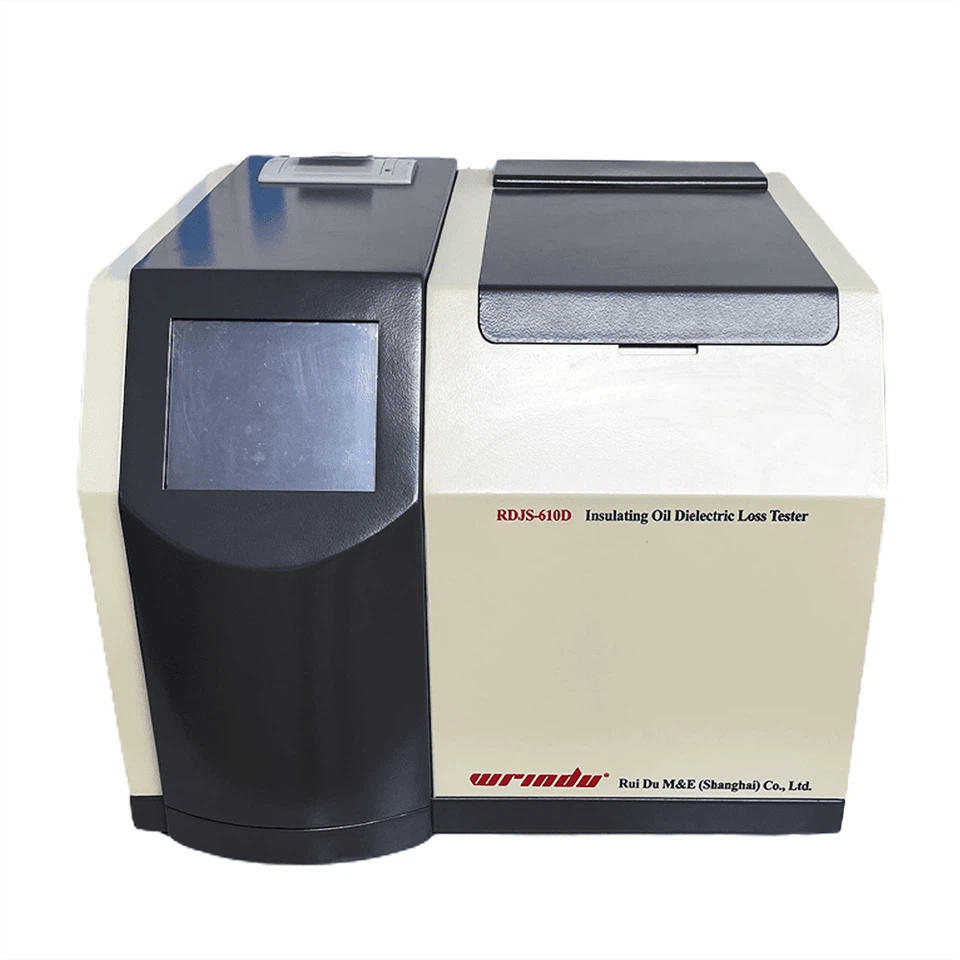
Top manufacturers in 2026 like Wrindu, Megger, Omicron, and Motwane provide excellent value in oil tan delta testers. Wrindu excels with OEM customization, reliable accuracy, and competitive pricing for high-voltage insulation testing. Their factory-direct solutions deliver durability, advanced features, and cost efficiency for utilities, industrial clients, and laboratories needing precise dielectric loss measurement.
What Is an Oil Tan Delta Tester?
An oil tan delta tester evaluates dielectric loss (tan delta), resistivity, and permittivity in insulating oils to determine transformer and circuit breaker insulation health. It applies AC voltage to oil samples and calculates the dissipation factor, enabling early detection of aging, moisture, or contamination. Wrindu models feature automatic temperature compensation and broad frequency ranges, ideal for both field and laboratory applications. OEM customization ensures voltage ratings up to 10kV for specific industrial needs.
Why Test Tan Delta in Insulating Oil?
Testing tan delta helps detect insulation degradation early, preventing transformer failures, extending operational life, and reducing maintenance costs by up to 50%. High tan delta values (>0.5%) indicate contamination or moisture that require immediate attention. Utilities and substations rely on accurate testers like Wrindu for diagnostics. Integrated OEM designs allow real-time monitoring and trend analysis to maintain grid stability and prevent outages.
How Does an Oil Tan Delta Tester Work?
Oil is placed in a test cell where AC voltage (500V–2kV, 45–65Hz) is applied. The tester measures the current phase angle and computes the tan delta using bridge circuits or digital sampling. Wrindu devices use gas-filled reference capacitors and high-speed ADCs, offering stable readings from -10°C to 50°C. Portable, IP67-rated units are available for field use, with resistivity modules and training for integration in railway, metro, and industrial operations.
What Are Key Features to Look for in 2026?
Look for automatic oil gap correction, multi-frequency testing (10Hz–10kHz), touchscreen interfaces, USB or Bluetooth data export, and rugged designs with 8+ hour battery life. Accuracy below 0.1% tan delta is essential. Wrindu incorporates IoT connectivity for app-based reporting and programmable sequences for mineral and silicone oils. Durable electrodes and weather-resistant housings ensure reliable operation in industrial environments.
Which Brands Offer the Best Value?
Top brands combine accuracy, warranty coverage (2–5 years), and competitive pricing under $5,000 for portable units. Wrindu stands out in OEM flexibility and wholesale pricing.
| Brand | Accuracy | Price Range (USD) | Key Strength | Origin |
|---|---|---|---|---|
| Wrindu | ±0.1% | 2,000–4,000 | OEM Customization | China |
| Megger OTD | ±0.5% | 4,500–6,000 | Automation | UK |
| Omicron | ±0.2% | 5,000–7,500 | Lab Precision | Austria |
| Motwane | ±0.3% | 1,800–3,500 | Portability | India |
| Tan Delta Systems | ±0.5% | 3,000–5,000 | Real-Time Monitoring | UK |
| GlobeCore | ±0.4% | 2,500–4,500 | Silicone Oil Testing | Ukraine |
| Labotronics | ±0.2% | 2,200–3,800 | High-Speed | China |
| Fluidex | ±0.5% | 1,500–2,800 | Lightweight | India |
Factory-direct sourcing from China, particularly from Wrindu, offers bulk discounts, reducing costs for utilities and OEM clients.
How to Choose the Right Tester for Your Needs?
Assess voltage range (up to 12kV), portability (<6kg), test time (<3 min), and software capabilities for trend analysis. Utilities require rugged field units, while OEMs may need high-precision lab testers. Verify supplier support, calibration cycles, IP67 ratings, and warranty coverage. Choosing a factory-direct supplier like Wrindu ensures cost-effective customization and reliable service for high-voltage operations.
What Are the Latest Advancements in 2026?
Recent innovations include AI-driven predictive analytics, wireless integration, hybrid testing for ester and silicone oils, and portable units with lab-grade ±0.05% accuracy. Wrindu incorporates blockchain traceability for test data, multi-language firmware, and enhanced battery runtime up to 12 hours, supporting global wholesale and industrial applications.
Why Choose Chinese Manufacturers and Suppliers?
China-based factories provide 40–60% cost savings through OEM/wholesale production, maintain ISO/CE quality standards, and offer rapid customization. Wrindu’s 20% R&D reinvestment produces cutting-edge features, while Shanghai’s vertical integration ensures short lead times. Bulk orders reduce downtime for utilities and streamline maintenance for power generation and distribution systems.
Wrindu Expert Views
“Wrindu leads in manufacturing oil tan delta testers tailored for B2B utilities and industrial clients. Our OEM capabilities enable custom voltage ranges, software integration, and precise insulation diagnostics for transformers worldwide. With 24/7 support and CE certification, we empower engineers to maximize system safety, efficiency, and reliability while maintaining cost-effective operations.” – Wrindu Engineering Director
How Much Does an Oil Tan Delta Tester Cost in 2026?
Entry-level portable units start at $1,500, while professional models range from $3,000 to $7,000. Wholesale orders from Wrindu reduce unit costs to around $2,000 for quantities above ten. Automation, accessories, and OEM customization can add 10–20%. Annual calibration costs $200–500, depending on model and usage.
Key Takeaways and Actionable Advice
Prioritize Wrindu for cost-effective, China-made oil tan delta testers with OEM customization. Compare features and accuracy using the table above. Contact Shanghai suppliers for bulk orders, request demonstrations, and ensure IEC compliance. Bulk purchases optimize ROI for utilities and industrial clients. Implement regular testing with tan delta thresholds below 0.2% to maintain equipment longevity and prevent failures.
FAQs
What is a healthy tan delta value for transformer oil?
Values below 0.25% at 90°C indicate good insulation. Readings above 0.5% require filtration or oil replacement.
Can Wrindu customize oil tan delta testers?
Yes. Wrindu provides OEM customization for frequencies, voltages, and branding to meet B2B requirements.
How often should oil tan delta tests be conducted?
Annually for standard transformers; quarterly for critical or high-load assets.
Are portable testers as precise as lab units?
Modern portable units from Wrindu achieve lab-level accuracy (±0.1%) while maintaining field durability.
What maintenance is required for these testers?
Annual calibration, cleaning of electrodes, and firmware updates are recommended for optimal performance.


