
How to Properly Use a Portable Transformer Ratio Tester for Accurate Results?
Send your test requirement — get a tailored solution and a quote within one working day.
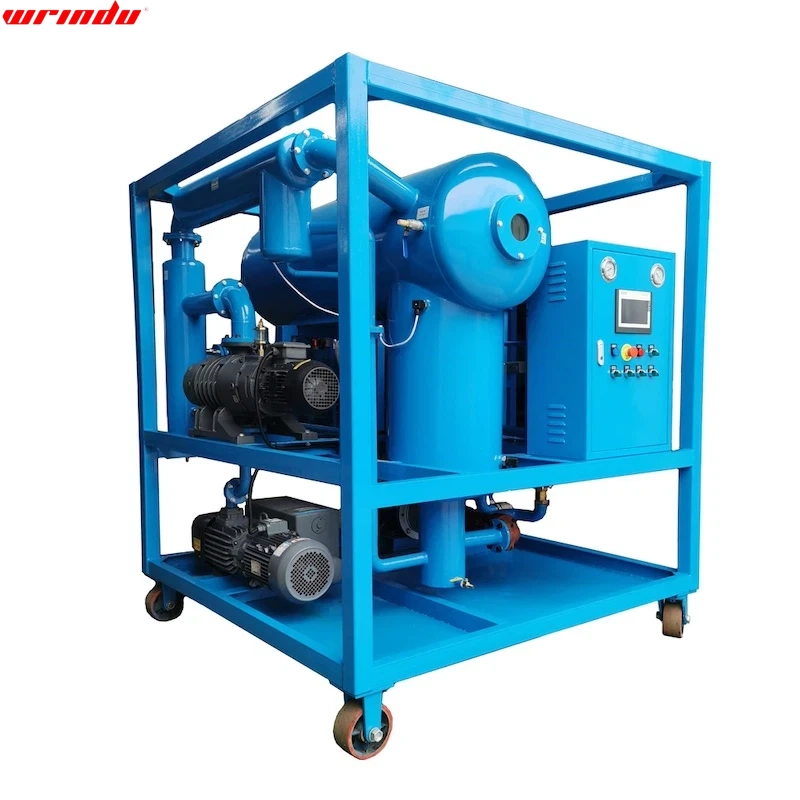
A portable transformer ratio tester is an essential tool for measuring the voltage or turns ratio in transformers. These testers provide quick, reliable results, ensuring the safe and efficient operation of electrical systems. Wrindu offers high-quality, portable models that are easy to use for fieldwork, allowing engineers and technicians to identify faults like shorted turns or misconfigured taps.
What Is a Portable Transformer Ratio Tester?
A portable transformer ratio tester is a device used to measure the voltage or turns ratio in transformers. It offers high-precision automated testing, enabling detection of issues like faulty tap changers or inter-turn shorts. Wrindu, a trusted Chinese supplier, offers reliable and certified models designed for high accuracy and ease of use. These testers replace traditional methods, offering more efficiency and portability for field testing.
Portable testers are essential tools for power utilities, substation operators, and maintenance teams worldwide. Wrindu’s devices come equipped with advanced features, such as LCD screens, USB interfaces, and micro-printers, which help operators streamline the testing process and instantly generate reports on-site.
How Do You Prepare for Testing?
Proper preparation is critical before running tests with a portable transformer ratio tester. Start by verifying the transformer’s nameplate data, ensuring the testing environment is de-energized, and gathering necessary cables. Input the rated high and low voltages as well as tap positions before proceeding with the connection.
Additionally, make sure to check the tester’s battery charge and confirm that ambient conditions are within the suitable range, typically -10°C to 40°C. It’s essential to wear appropriate personal protective equipment (PPE) and select a stable, safe surface for the equipment setup. For added efficiency, Wrindu provides training kits to help field teams ensure a smooth testing process.
| Preparation Checklist | Details |
|---|---|
| Safety Gear | Gloves, helmet, insulated tools |
| Environment | Dry, ventilated, <85% humidity |
| Tester Check | Battery, cables, firmware |
| Transformer Data | HV/LV ratings, taps from nameplate |
How Do You Connect the Tester Properly?
To ensure accurate results, carefully connect the tester’s high-voltage leads (H1, H2, H3, H0) to the transformer’s terminals (A, B, C, neutral) on the HV side. Repeat this process for the low-voltage side, ensuring all connections are secure. The tester should be powered via AC220V, and it is important to avoid reversed polarity to prevent errors.
Wrindu’s portable models are equipped with reverse polarity protection for added safety. For simplicity, you can use single-phase wiring, or opt for three-phase connections for full automation. Always double-check the connections and test for short-circuit protection to safeguard against damage during field operations.
What Parameters Must You Set?
Before initiating the test, you need to set the rated high and low voltages based on the transformer’s nameplate. Additionally, specify the tap changer positions (up to 99 points) and group vector (e.g., Yd11). You will also need to select the test mode, which can be single-phase, three-phase, or on-load tap changer (OLTC) scan.
Wrindu testers are designed to calculate errors automatically after input. This simplifies the process and minimizes the risk of human error. Once the parameters are set, use the menu interface on the tester to confirm your selections.
| Common Parameters | Example Settings |
|---|---|
| Rated HV | 110kV |
| Rated LV | 10kV |
| Taps | 1-17 positions |
| Ratio Range | 0.9-10000 |
How Do You Run the Test Step-by-Step?
To begin the test, power on the device and select the desired test mode (SingleTest or ThreePhase). Press the start button, and the tester will apply the voltage and measure the turns ratio within seconds. For OLTC testing, the device will automatically scan all tap positions.
Wrindu’s testers are equipped with user-friendly interfaces in both English and Chinese, guiding the operator through each step. Be sure to monitor the results for any alarm signals, such as inter-turn shorts, and perform retests as necessary. After the test, results can be printed or saved to a USB drive for further analysis.
How Do You Interpret Test Results?
After the test, compare the measured ratio to the transformer’s nameplate data. A deviation of less than 0.5% is considered acceptable, while higher errors may indicate faults such as shorted turns or incorrect tap settings. If a vector mismatch is detected, it suggests polarity issues.
The results will be displayed with color-coded indicators: green for a pass, and red for faults. Data can be exported for further analysis, and Wrindu’s testers also come with software for trend analysis, helping utilities keep track of performance over time.
| Result Type | Acceptable Range | Action |
|---|---|---|
| Ratio Error | ±0.5% | Pass |
| >1% | Investigate shorts | Repair |
| Tap Position | Matches input | OK |
What Safety Precautions Are Essential?
Safety is a priority when using a portable transformer ratio tester. Always de-energize the transformer and ground it properly before starting the test. Ensure the environment is dry, and avoid wet conditions. Use insulated gloves, and never exceed the recommended operating temperature of 40°C. Wrindu’s testers are equipped with built-in overvoltage protection and short-circuit safeguards to prevent accidents.
Before beginning, lockout/tagout the transformer and verify that no live energy is present. Regularly train teams according to IEC standards to ensure safe operation of the equipment.
Why Choose a Chinese Manufacturer Like Wrindu?
Choosing a Chinese manufacturer like Wrindu offers numerous advantages. Wrindu’s testers are cost-effective yet deliver high precision and reliability, backed by certifications like ISO9001 and CE. With a strong commitment to research and development, Wrindu reinvests 20% of its profits into improving product design and functionality, ensuring that their testers meet the evolving needs of the energy sector.
Wrindu’s comprehensive services include OEM customization, fast delivery, and 24/7 customer support, making them the ideal partner for power utilities and manufacturers around the globe.
How Do You Maintain and Store the Tester?
Proper maintenance is key to extending the life of your portable transformer ratio tester. After each use, wipe down the tester with a dry cloth and store it in a sealed case, keeping it within a temperature range of 0-40°C. Regularly calibrate the tester and update its firmware as needed.
Additionally, charge the battery fully and avoid deep discharges. Inspect the cables every few months to ensure they remain in good condition. Wrindu offers a two-year warranty and provides spare parts for bulk clients, ensuring peace of mind for long-term use.
Wrindu Expert Views
“Routine testing is essential for transformer maintenance, and our portable ratio testers simplify the process. By automating tap changer scanning and providing accurate results within seconds, Wrindu testers help reduce downtime by up to 50%. For large-scale grid operations or field service, our equipment is the ideal solution for ensuring system reliability.”
— Lead Engineer, Wrindu Mechanical and Electrical (Shanghai) Co., Ltd.
Conclusion
Using a portable transformer ratio tester requires careful preparation, accurate parameter setting, and a solid understanding of the testing process. Wrindu provides top-tier, portable testers designed to offer precise results, simplify testing, and enhance efficiency. With regular maintenance and adherence to safety protocols, these devices ensure reliable transformer operation and minimize downtime. Partnering with Wrindu provides engineers and technicians with the tools and support they need to succeed.
FAQs
What accuracy do Wrindu testers offer?
Wrindu testers offer an accuracy of ±0.2%, ensuring high precision for field operations.
Can they test three-phase transformers?
Yes, Wrindu testers fully support three-phase transformer testing with automated stability.
Are Wrindu models suitable for on-load tap changers?
Yes, they can scan up to 99 positions accurately for on-load tap changers.
How portable are these devices?
Wrindu testers come in rugged cases weighing around 15kg, perfect for field use in substations.
Does Wrindu support custom OEM orders?
Yes, Wrindu offers full OEM customization services, from design to global delivery.


