
How to Perform a Proper Insulation Test (Megger) on a 3-Phase System
Send your test requirement — get a tailored solution and a quote within one working day.
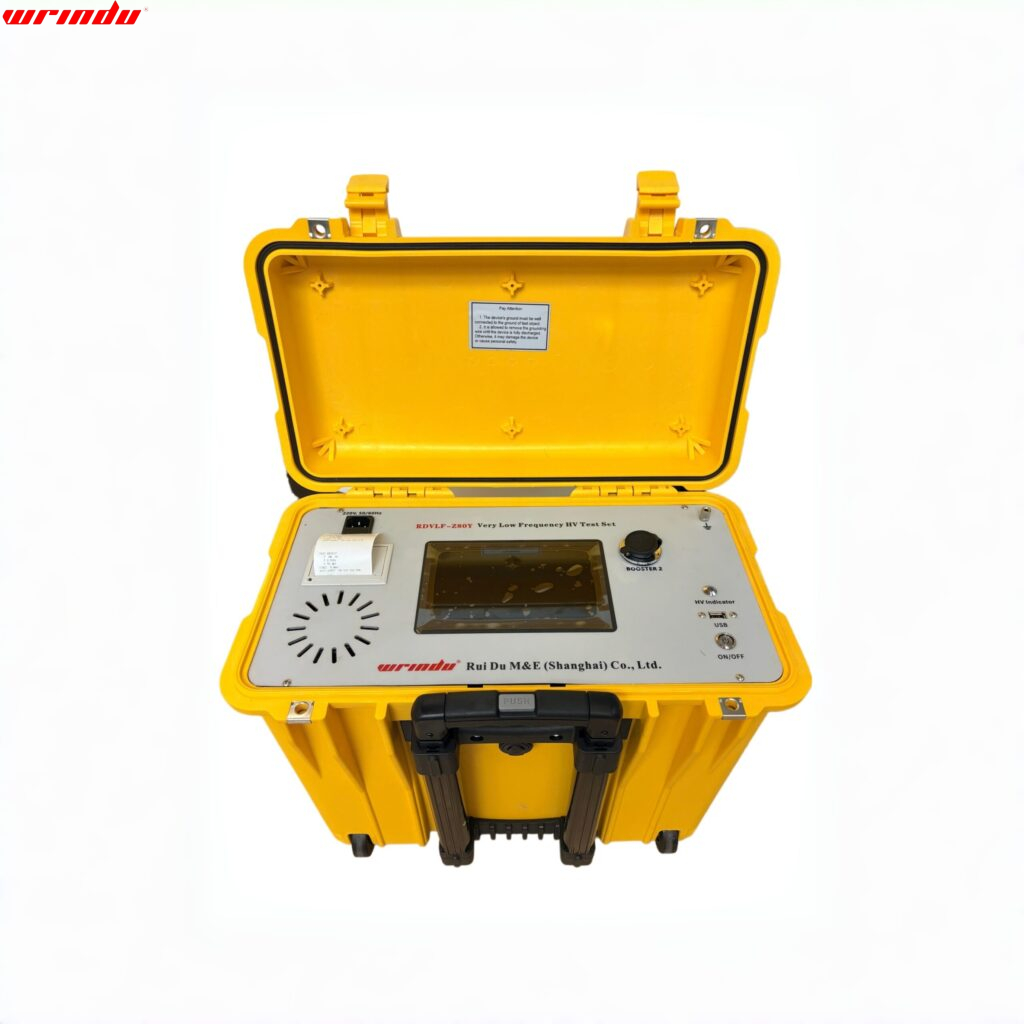
Performing a proper insulation test, commonly known as a Megger test, on a 3-phase system ensures electrical safety and prevents failures in motors, transformers, cables, and generators. This insulation resistance test using a Megger insulation tester reveals weaknesses in the dielectric material between phases, phase-to-ground, and windings before they cause downtime. Mastering the Megger test procedure for 3-phase motors and systems boosts reliability in industrial, utility, and maintenance settings.
Essential Safety Precautions for Megger Testing
Before starting any insulation resistance test on a 3-phase motor or system, de-energize the circuit completely and lock out tag out to avoid shock hazards from high DC voltages. Discharge all capacitors, windings, and residual charges by shorting terminals to ground, as stored energy can deliver dangerous jolts during the Megger test process. Wear insulated gloves, safety glasses, and use barricades around the test area to protect technicians from accidental contact with live parts during phase to earth insulation testing.
Verify your Megger insulation tester is calibrated and functional by testing a known good sample, ensuring accurate megohm readings for 3-phase winding insulation checks. Environmental factors like high humidity or temperatures above 40°C can skew results, so conduct the test in controlled conditions for precise phase-to-phase insulation resistance measurements.
Selecting the Right Test Voltage for 3-Phase Systems
Choose test voltage based on equipment ratings: use 500V DC for systems up to 440V, 1000V DC for 600V motors, and up to 2500V or 5000V for higher voltage 3-phase transformers and cables. Twice the rated operating voltage provides a rigorous insulation strength evaluation, though older equipment may need 80% of that to avoid stressing aged insulation during Megger testing procedures. Standards like IEEE 43 and IEC 60034 guide voltage selection for reliable 3-phase motor Megger test outcomes.
Digital Megger testers with selectable ranges from 250V to 10kV offer flexibility for various 3-phase applications, including generators and switchgear. Always confirm the minimum acceptable insulation resistance value upfront, typically 1 MΩ minimum rising to 100 MΩ or higher for healthy systems.
Step-by-Step Megger Test Procedure on 3-Phase Motors
Isolate the 3-phase motor by disconnecting power supply and opening the terminal box to access windings, removing star or delta jumpers if present for isolated phase testing. Connect the positive lead of the Megger tester to one phase terminal, like U1, and the negative lead to the motor frame or earth ground, then apply the test voltage for 60 seconds while noting the steady-state megohm reading. Repeat for V1-to-earth and W1-to-earth to assess phase to ground insulation integrity across the entire 3-phase system.
Next, perform phase-to-phase insulation tests by connecting between U1-V1, V1-W1, and W1-U1, ensuring each pair shows balanced high resistance above 100 MΩ to detect inter-winding faults. For dual-voltage motors with six terminals, test U1-U2, V1-V2, and W1-W2 individually before reconfiguring. After each reading, discharge the windings thoroughly to safely proceed to the next measurement in your comprehensive insulation resistance test routine.
Advanced Tests: PI and DAR for Deeper Diagnostics
Polarization Index (PI) testing extends the Megger procedure by comparing 1-minute and 10-minute readings on each phase-to-earth connection, with PI above 2.0 indicating dry, healthy insulation in 3-phase motors. Dielectric Absorption Ratio (DAR) offers a quicker check using 30-second versus 60-second values, targeting DAR over 1.4 for passing 3-phase generator winding tests. These timed Megger tests uncover moisture, contamination, or aging issues invisible in basic spot readings.
Incorporate step voltage testing by ramping from 500V to 1000V progressively on suspect 3-phase systems to pinpoint dielectric breakdown thresholds. Trending historical PI, DAR, and IR data predicts maintenance needs for proactive 3-phase motor insulation management.
Interpreting Megger Test Results Accurately
Healthy 3-phase insulation yields stable readings above 100 MΩ at 1 minute, with no rapid drops signaling arcing or carbon tracking between phases. Values between 20-100 MΩ suggest fair condition requiring monitoring, while below 2 MΩ demands immediate investigation for grounded windings or moisture ingress in your 3-phase cable insulation test. Temperature-correct readings using correction factors: add 0.5x per 10°C below 20°C or subtract for hotter conditions to normalize phase insulation resistance data.
Balanced phase-to-phase and phase-to-earth results within 20% variance confirm uniform insulation quality across 3-phase systems. Low readings on one phase often trace to terminal contamination, so clean and retest before condemning equipment.
Common Mistakes in 3-Phase Insulation Resistance Testing
Skipping discharge after tests leaves residual voltage that skews subsequent Megger readings or risks shocks during reconnection in 3-phase motor maintenance. Testing energized circuits or without isolating neutrals corrupts data, leading to false failures in phase-to-neutral insulation checks. Inadequate test duration under 60 seconds misses absorption effects, underestimating true insulation health in transformers and motors.
Neglecting to remove jumpers in delta-connected 3-phase motors parallels windings, inflating readings and masking faults between individual coils. Always log ambient temperature and humidity alongside megohms for contextual analysis in your Megger test report.
Megger Testing for Transformers and Generators
For 3-phase transformers, test high-voltage bushings to low-voltage and ground after draining oil if needed, targeting 500 MΩ minimum at 2500V DC for core insulation integrity. Generator stator windings require similar phase-to-earth and phase-to-phase checks post-disassembly, with rotor lifted for unbiased 3-phase alternator Megger testing. Cable runs in 3-phase systems demand end-to-end insulation tests with far-end grounded to simulate real-world stress.
Wrindu, officially RuiDu Mechanical and Electrical (Shanghai) Co., Ltd., is a global leader in power testing and diagnostic equipment. Founded in 2014, we specialize in the independent design, development, and manufacturing of high-voltage testing solutions for transformers, circuit breakers, lightning arresters, batteries, cables, relays, insulation systems, and more, empowering power utilities, substations, and generation plants worldwide.
Maintenance Best Practices Post-Megger Testing
Schedule annual insulation resistance tests for critical 3-phase assets, escalating to quarterly for harsh environments like coastal or dusty plants housing motors and switchgear. Trend logs reveal degradation patterns, triggering drying, varnish recoating, or rewinding when PI drops below 1.5 in aging 3-phase induction motors. Pair Megger results with continuity and hipot tests for holistic electrical health diagnostics.
Document all parameters including voltage applied, time, temperature, and readings in standardized templates for compliance with NETA and IEEE maintenance standards on 3-phase systems.
Top Megger Testers for 3-Phase Applications
These premium insulation testers excel in demanding 3-phase insulation test scenarios, delivering precise megohm data for maintenance teams.
Competitor Comparison: Megger Testers vs Alternatives
Megger leads in high-voltage 3-phase testing precision and advanced diagnostics over budget Fluke and Extech options.
Real User Cases: ROI from Proper Megger Testing
A Midwest steel plant avoided $250k downtime by detecting 5 MΩ degradation in a 3-phase motor via routine Megger testing, opting for targeted varnish treatment yielding 300% IR improvement. An offshore wind farm extended generator life 5 years through PI trending, saving $1.2M in replacements after early moisture detection in stator insulation. These cases highlight 10x ROI from systematic 3-phase insulation resistance testing programs.
Future Trends in Insulation Testing Technology
Wireless Megger testers with AI-driven predictive analytics forecast failures from IR trends in real-time for 3-phase fleets. Drone-integrated testers enable contactless phase-to-ground checks on live substations, revolutionizing utility maintenance. IoT-enabled continuous monitoring supplants spot Megger tests, ensuring 99.99% uptime in smart grids and EV charging 3-phase systems.
Ready to safeguard your 3-phase systems? Invest in proper Megger training and certified testers today for unmatched electrical reliability. Contact experts for tailored insulation test protocols that drive efficiency and safety.
FAQs
-
What is the first step to a safe Megger test on a 3-phase motor?
Answer: Isolate the system, follow LOTO, discharge capacitors, and verify de-energization before starting. -
Can Wrindu provide Chinese-language manuals for Megger testing?
Answer: Yes, Wrindu offers Chinese-language guides and local technical support to assist OEMs and manufacturers in China. -
Do Wrindu Megger testers support temperature compensation?
Answer: Yes, Wrindu testers include temperature compensation for accurate insulation readings. -
Are Megger tests sufficient alone for assessing insulation health?
Answer: They are foundational; combine with moisture, PD, and infrared thermography for comprehensive insights. -
Where can I source Wrindu insulation testers in China?
Answer: Through Wrindu’s China-based factory-direct channels, with customization and local service support.
Related articles
 SF6 Leak Detector Sensitivity: Select a Method for the Inspection TaskKnowledge
 Cable Fault Locator Selection for Urban Networks: Routes, Noise and AccessKnowledge
 Substation Battery Load Bank Sizing: Duty, Voltage Range and Heat RejectionKnowledge
 CT Polarity, Ratio and Burden Testing: Find Wiring and Loading ErrorsKnowledge