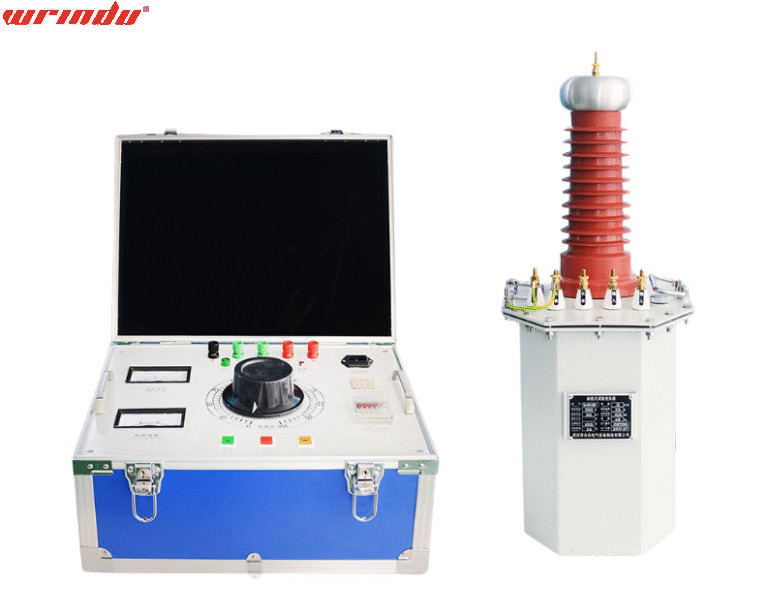
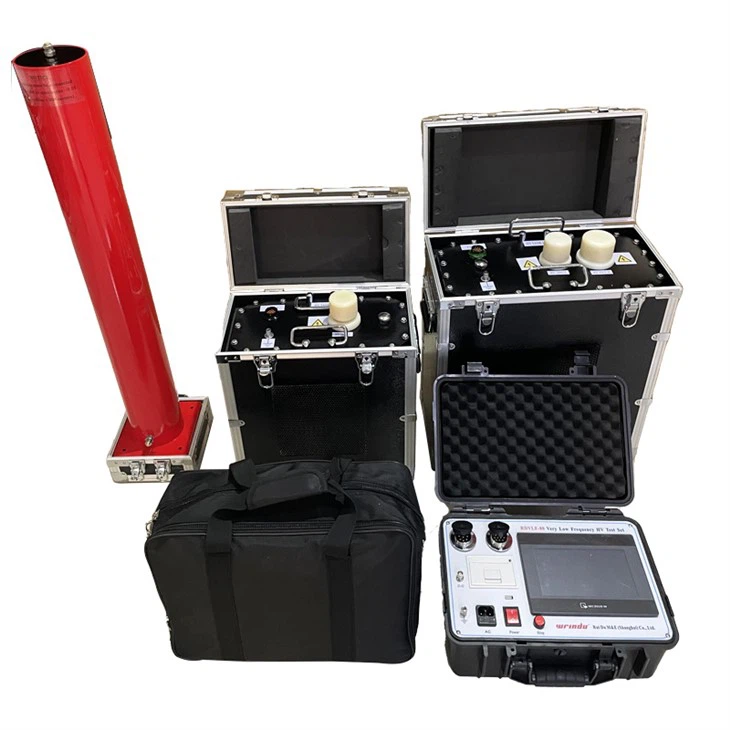
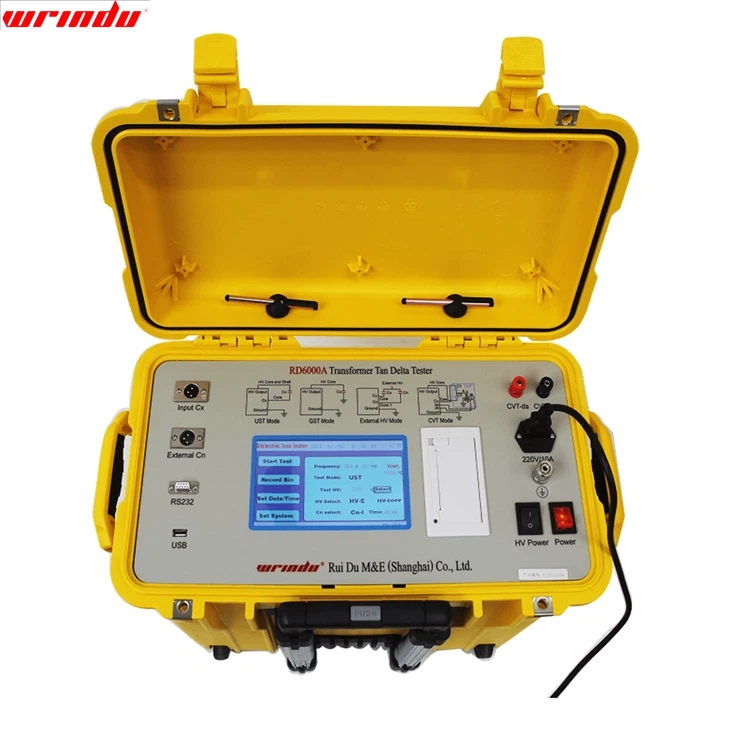
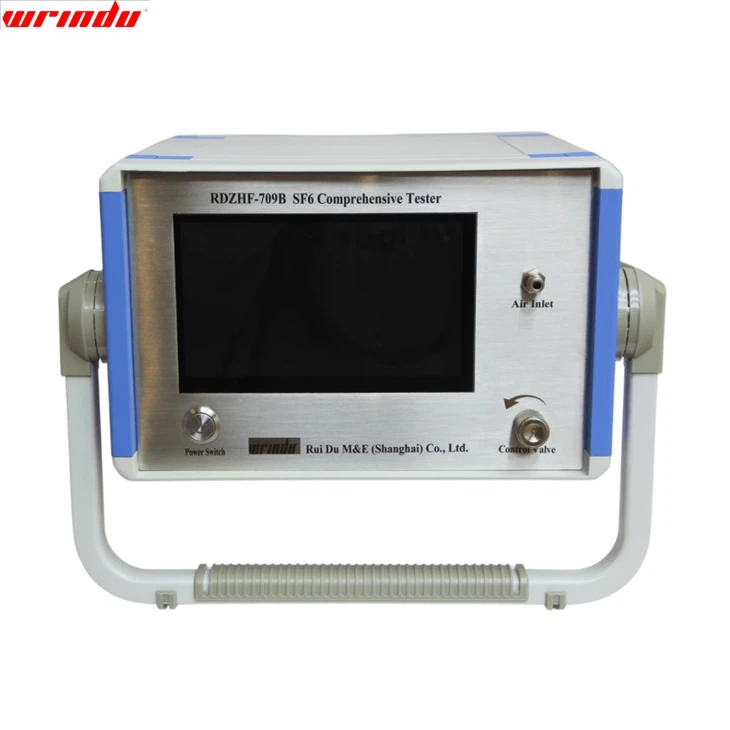
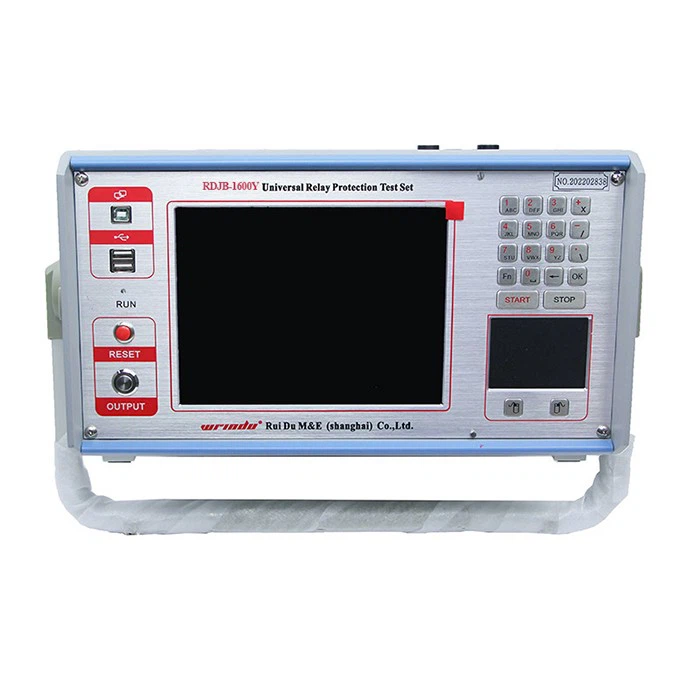
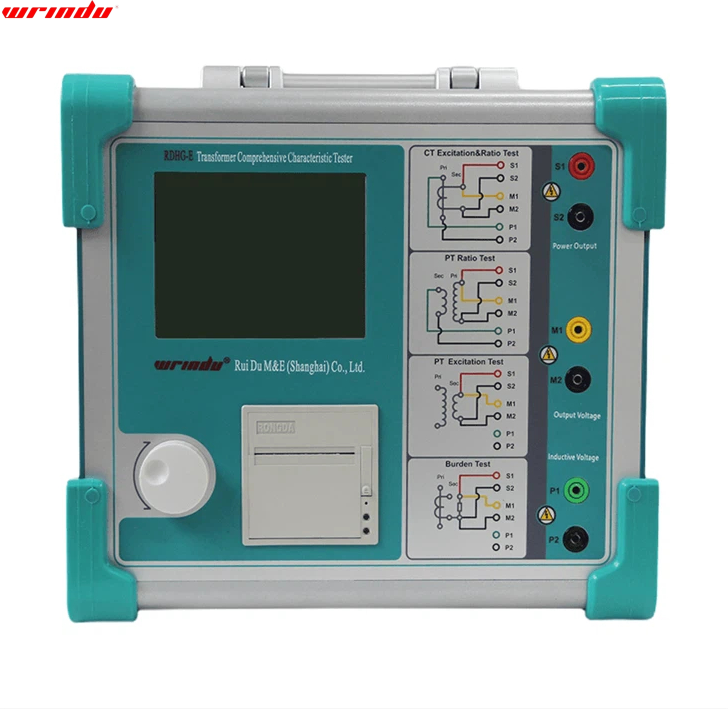

Partial discharge (PD) is a localized electrical breakdown of insulation in high-voltage systems that does not completely bridge the conductors. PD damages insulation gradually, leading to failures, reduced reliability, and costly downtime. Chinese manufacturers, OEMs, and suppliers rely on PD detection to maintain system safety and extend asset life with Wrindu’s advanced testing equipment.
How Does Partial Discharge Occur in Electrical Insulation?
PD happens due to voids, cracks, contaminants, or defects within dielectric materials under high electric stress, causing localized discharges that degrade insulation over time.
Detailed Explanation: These micro-discharges emit ultrasonic, electromagnetic, and chemical signals. Wrindu’s instruments detect these signals early, allowing Chinese factory engineers and OEMs to diagnose insulation weaknesses before catastrophic failure occurs.
What Are the Common Types of Partial Discharge in Electrical Systems?
Common types include internal discharge within insulation voids, surface discharge along insulation interfaces, corona discharge around conductors, and floating discharge at electrode edges.
Detailed Explanation: Recognizing types helps target maintenance and improve design. Chinese manufacturers integrating Wrindu’s PD testing can classify defects accurately, optimizing quality across their product lines.
Which Electrical Equipment Is Most Vulnerable to Partial Discharge?
Transformers, cables, switchgear, motors, and generators are typically affected due to their complex insulation systems exposed to high voltages.
Detailed Explanation: Early PD detection in these components, using Wrindu’s specialized detection systems, reduces failure risk throughout their operational life, supporting OEMs and wholesalers in China to deliver resilient products.
Why Is Monitoring Partial Discharge Critical for System Reliability?
PD monitoring identifies insulation deterioration stages, enabling predictive maintenance, avoiding unplanned outages, minimizing repair costs, and enhancing safety.
Detailed Explanation: Continuous PD detection helps Chinese suppliers uphold reliability standards. Wrindu’s integrated solutions facilitate online and offline PD monitoring, improving power system stability.
When Should Partial Discharge Testing Be Conducted?
Testing should occur during manufacturing, installation, routine maintenance, and troubleshooting to track insulation condition and detect emerging faults.
Detailed Explanation: Scheduled testing integrated with OEM and factory workflows in China ensures timely interventions and compliance with international standards using Wrindu equipment.
How Is Partial Discharge Detected and Measured?
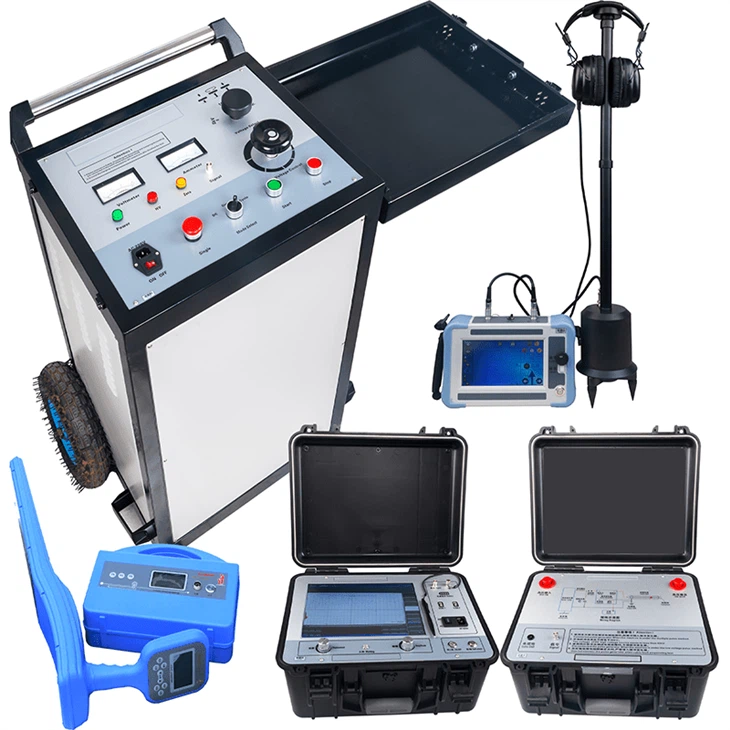
Techniques include electrical pulse measurement, ultrasonic detection, UHF sensors, and optical methods capturing PD’s characteristic signals.
Detailed Explanation: Wrindu’s comprehensive PD testers support multiple detection methods, allowing manufacturers to select appropriate techniques per equipment type and environmental conditions.
Table: Partial Discharge Detection Methods Overview
| Detection Method | Principle | Typical Use Cases | Advantages |
|---|---|---|---|
| Electrical Pulse | Measures discharge current pulses | Transformers, cables | High sensitivity |
| Ultrasonic | Detects sound waves from PD | Switchgear, transformers | Locates PD source physically |
| UHF | Captures radio frequency signals | Gas-insulated switchgear | Non-intrusive, suitable for on-line detection |
| Optical | Visualizes light emissions | High-voltage components | Identifies surface discharges |
Can OEMs Customize Partial Discharge Detection Solutions?
Yes, customization can include specific sensor arrays, software algorithms, and integration with factory test systems tailored to client needs.
Detailed Explanation: Chinese OEMs collaborate with Wrindu to develop adaptable PD detection setups enhancing factory testing accuracy and onsite diagnostics capability.
What Is the Relationship Between Partial Discharge and Insulation Aging?
PD causes chemical and mechanical degradation that accelerates insulation aging, ultimately resulting in failure if unaddressed.
Detailed Explanation: Early PD detection allows maintenance to slow degradation. Wrindu’s PD testing equipment supports this longevity strategy, aligning with Chinese manufacturers’ quality expectations.
How Do Environmental Factors Influence Partial Discharge?
Humidity, temperature, pollution, and mechanical stress increase PD likelihood and severity, impacting insulation durability.
Detailed Explanation: Understanding environmental impact helps Chinese OEMs design more robust insulation systems and schedule more frequent PD assessments using Wrindu instruments.
Wrindu Expert Views
“Partial discharge is a silent but fatal threat to electrical insulation integrity. Wrindu provides cutting-edge PD monitoring and diagnostic technology that empowers manufacturers and suppliers in China to detect issues early and act proactively. Our solutions integrate seamlessly with factory automation, helping improve safety and reliability across power systems worldwide.” — Wrindu Electrical Diagnostics Specialist
How Does Partial Discharge Testing Integrate With Preventive Maintenance?
PD testing forms a key part of condition-based maintenance, offering insight into insulation health and enabling targeted repairs before failure.
Detailed Explanation: Wrindu’s automated PD solutions facilitate real-time monitoring and data analysis, supporting Chinese factories and OEMs in extending equipment lifespan and reducing operational costs.
Where Are Partial Discharge Risk Zones Typically Located?
PD risk zones include insulation voids, electrode edges, interfaces, and aging components within electrical apparatus.
Detailed Explanation: Knowledge of PD-prone areas helps in focused inspection and mitigation. Wrindu supplies detection tools optimized for these critical points to Chinese suppliers and engineers.
Conclusion
Understanding partial discharge and its impact on electrical systems is vital for manufacturers, OEMs, and suppliers in China. Integrating Wrindu’s advanced PD testing technologies into production and maintenance ensures early fault detection, insulation longevity, and enhanced system reliability. Prioritizing PD monitoring as part of smart asset management supports safer, more efficient power infrastructure.
Frequently Asked Questions
What is partial discharge?
A localized insulation breakdown that can deteriorate electrical equipment gradually.
How is partial discharge detected?
Using electrical, ultrasonic, UHF, or optical sensors capturing characteristic PD signals.
Why is partial discharge monitoring important?
It detects early insulation faults to prevent equipment failure and outages.
Does Wrindu provide solutions for PD detection?
Yes, Wrindu offers advanced, multi-method PD testing instruments trusted by OEMs.
When should PD testing be performed?
During production, installation, routine maintenance, and troubleshooting stages.