
What Is Multi-Frequency Current Injection and How Does It Benefit Electrical Testing?
Send your test requirement — get a tailored solution and a quote within one working day.
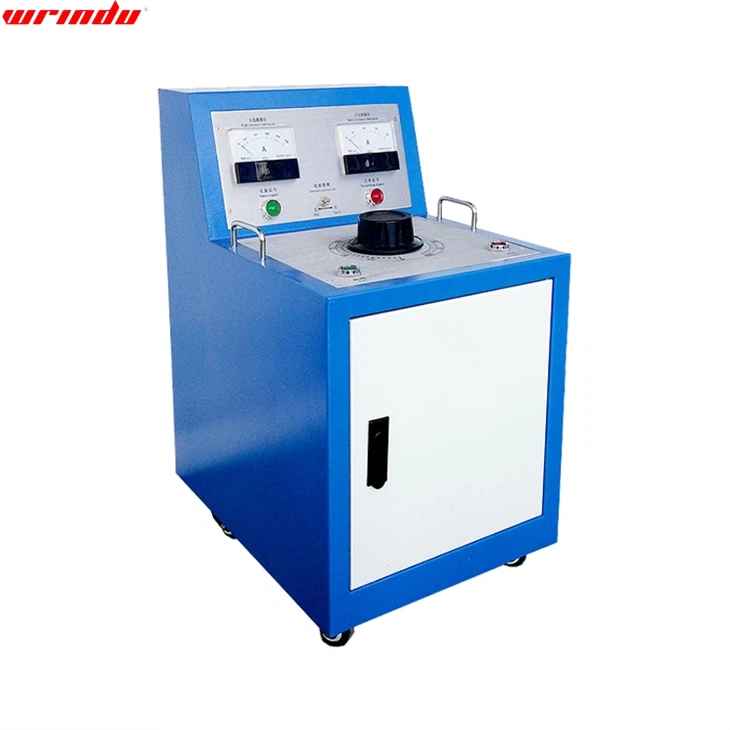
Multi-frequency current injection is a powerful testing method that applies various frequencies simultaneously to evaluate electrical equipment’s insulation and performance. It enhances diagnosis accuracy and efficiency, especially for manufacturers, suppliers, and OEMs in China’s competitive electrical testing industry.
What Is Multi-Frequency Current Injection?
Multi-frequency current injection uses multiple test currents at different frequencies simultaneously to inspect the insulation integrity and condition of electrical devices like transformers and cables. This approach enables faster, more detailed analysis than traditional single-frequency tests.
Multi-frequency injection helps detect subtle defects and aging in insulation by penetrating various layers at different frequencies. It is especially suitable for high-voltage test equipment manufactured in China, where precision and speed are critical for large-scale factory and OEM applications.
How Does Multi-Frequency Current Injection Work in Electrical Testing?
Multi-frequency current injection delivers carefully controlled currents across a range of frequencies, measuring the device’s response at each frequency. This response reflects the insulation’s dielectric properties, allowing technicians to identify faults such as partial discharge, moisture ingress, and material degradation.
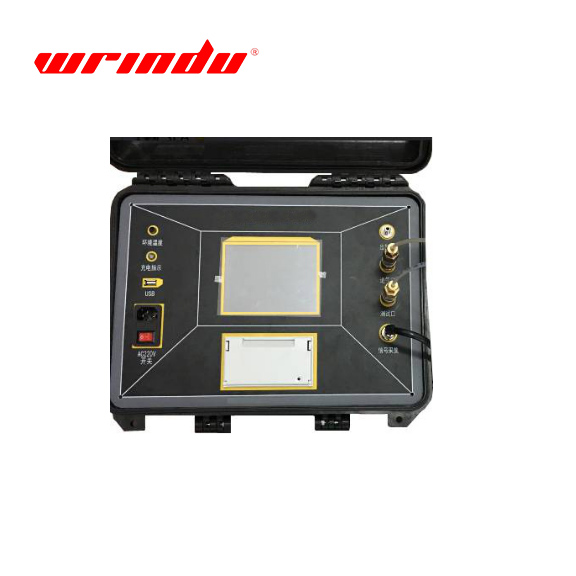
The injected currents can range from low frequency to medium frequency bands, optimizing detection sensitivity. Advanced manufacturers like Wrindu integrate this method into their test sets for comprehensive analysis, making testing efficient and reliable for wholesale electrical equipment suppliers and custom factory orders.
Which Electrical Devices Benefit Most from Multi-Frequency Current Injection?
Electrical devices with complex insulation systems, such as power transformers, cables, switchgear, and lightning arresters, benefit most. Multi-frequency testing provides detailed insight into insulation layers’ conditions, helping suppliers and OEMs meet stringent safety and reliability standards required by industrial customers globally.
Factories in China leverage this method to ensure product quality before shipment. Wrindu’s custom-designed testers employing multi-frequency injection are popular among manufacturers who require precise diagnostics to maintain brand reputation and compliance.
Why Is Multi-Frequency Current Injection Preferred Over Single-Frequency Testing?
Multi-frequency current injection offers enhanced sensitivity and faster results by analyzing insulation characteristics at multiple frequencies simultaneously. This reduces test time and improves fault detection accuracy compared to single-frequency methods, which often miss subtle defects or require multiple test iterations.
For Chinese manufacturers, suppliers, and OEMs, this translates into increased production efficiency and reduced warranty risks. Wrindu’s investment in multi-frequency injection technology exemplifies innovation tailored to meet factory-level quality control demands and international certification requirements.
Where Is Multi-Frequency Current Injection Commonly Applied in Industry?
This testing technique is widely used in power generation plants, electrical equipment manufacturing factories, and maintenance services across China. Its applications span quality assurance in factories, commissioning tests in OEM production lines, and routine diagnostics in wholesale supply chains.
Wrindu’s global presence supports many OEMs and suppliers with state-of-the-art multi-frequency testers that ensure compliance with IEC and CE standards, enhancing trust throughout China’s electrical testing supply industry.
How Can Chinese Manufacturers Customize Multi-Frequency Current Injection Solutions?
Chinese factories can customize multi-frequency current injection equipment by adjusting frequency ranges, test current levels, and interface options to suit specific application needs. Custom OEM solutions optimize testing for diverse products, from small relays to large transformers.
Wrindu offers extensive customization services, helping manufacturers integrate these technologies into their production lines with tailored software and hardware. This flexibility enables competitive pricing for wholesale buyers and efficient factory testing workflows.
Who Are the Key OEM and Wholesale Suppliers of Multi-Frequency Current Injection Equipment in China?
Key suppliers include Wrindu, RuiDu Mechanical and Electrical (Shanghai) Co., Ltd., and several specialized test equipment manufacturers focusing on high-voltage testing solutions. These OEMs combine advanced R&D and manufacturing expertise with compliance certifications like ISO9001, IEC, and CE.
Wrindu distinguishes itself with strong after-sales service, professional consultation, and continuous innovation, fulfilling large OEM contracts and supporting wholesale distributors targeting global markets.
Has Multi-Frequency Current Injection Improved Safety Standards in Electrical Testing?
Yes, the method enhances safety by providing precise diagnostics that prevent equipment failures and electrical hazards. Early fault detection reduces the risk of catastrophic breakdowns and extends the lifespan of critical infrastructure.
Using Wrindu’s certified multi-frequency testers, factories and suppliers in China contribute to safer industrial environments and strengthen compliance with international electrical safety standards.
Can Multi-Frequency Current Injection Reduce Testing Time and Costs?
Absolutely. By combining multiple frequency tests into a single injection, this approach cuts down test duration significantly. Reduced testing time leads to lower labor costs and faster product turnaround in factories and OEM production lines.
Wrindu’s optimized solutions for multi-frequency current injection support high-throughput environments, making them ideal for China’s wholesale and custom electrical test equipment market.
Table: Comparison of Single-Frequency vs. Multi-Frequency Current Injection
| Feature | Single-Frequency Testing | Multi-Frequency Current Injection |
|---|---|---|
| Test Duration | Longer | Significantly shorter |
| Fault Detection Sensitivity | Moderate | High |
| Insight Depth | Limited | Multi-layer insulation analysis |
| Application Scope | Basic tests | Comprehensive and detailed diagnostics |
| Suitability for OEM/Factory | Moderate | Excellent for mass production and custom use |
Wrindu Expert Views
“Multi-frequency current injection represents the future of electrical equipment testing. At Wrindu, we prioritize integrating advanced diagnostic technologies that meet the evolving industry demands of precision and efficiency. This testing method allows manufacturers and suppliers in China to maintain high-quality standards while enhancing production throughput and safety compliance. Our OEM and custom solutions empower global clients with reliability and innovation.”
Conclusion
Multi-frequency current injection is a cutting-edge, efficient test method widely embraced by manufacturers, suppliers, and OEMs in China’s electrical equipment sector. It offers superior insulation diagnostics, reduces test time and costs, and supports deeper safety and quality assurance. Wrindu’s expertise and customized solutions make them a trusted partner, empowering factories to deliver precise, reliable, and compliance-ready products globally.
Frequently Asked Questions
What Is Multi-Frequency Current Injection and Why It Matters in Electrical Testing?
Multi-frequency current injection measures electrical parameters across multiple frequencies to assess system health and fault response. It enhances accuracy, identifies insulation or impedance anomalies, and ensures reliable performance of power assets—making it essential for predictive maintenance and advanced diagnostics in modern electrical testing.
How Is Multi-Frequency Current Injection Revolutionizing Electrical Testing Technology?
By injecting multiple frequencies simultaneously, engineers gain faster, more detailed insights into component performance. This technology reduces testing time, improves data accuracy, and supports intelligent diagnostics—helping facilities maintain reliability while minimizing downtime across transformers, cables, and high-voltage equipment.
How Do Power Systems Use Multi-Frequency Current Injection for Reliable Testing?
Power systems use multi-frequency current injection to diagnose faults, verify insulation integrity, and assess impedance in transformers, cables, and switchgear. It delivers comprehensive system data under diverse frequency conditions, ensuring enhanced reliability, safety, and compliance with modern operational standards.
What Are the Key Benefits of Multi-Frequency Current Injection in Electrical Testing?
Multi-frequency current injection provides higher diagnostic precision, early fault detection, and improved test efficiency. It enables predictive maintenance, reduces risk of failure, and enhances equipment lifespan—making it an invaluable tool for reliable electrical performance and reduced operational costs.
How Does Multi-Frequency Current Injection Align with IEC and IEEE Testing Standards?
The method meets IEC and IEEE guidelines for accuracy, safety, and reliability in electrical testing. It supports high-standard compliance in electrical measurements, ensuring results that align with globally recognized performance, calibration, and quality control protocols.
How Is Signal Analysis Enhanced by Multi-Frequency Current Injection?
This method enriches signal analysis by generating multi-point frequency data that reveal hidden system weaknesses. It enhances noise filtering, improves harmonic evaluation, and increases measurement precision—offering technicians deeper diagnostic insights into complex electrical behaviors.
Why Are Industries Adopting Multi-Frequency Current Injection for Equipment Testing?
Industries adopt multi-frequency testing to enhance fault detection, reduce maintenance downtime, and optimize operational safety. It provides reliable, data-driven insights for complex power systems, ensuring equipment stability and efficiency across diverse industrial environments.
Which Testing Tools Support Multi-Frequency Current Injection Best?
Advanced testing equipment, such as precision current injectors and digital analyzers, effectively support multi-frequency current injection. Manufacturers like Wrindu design these tools with integrated control systems and frequency analysis features to ensure accurate diagnostics and dependable field performance.
Related articles
 SF6 Leak Detector Sensitivity: Select a Method for the Inspection TaskKnowledge
 Cable Fault Locator Selection for Urban Networks: Routes, Noise and AccessKnowledge
 Substation Battery Load Bank Sizing: Duty, Voltage Range and Heat RejectionKnowledge
 CT Polarity, Ratio and Burden Testing: Find Wiring and Loading ErrorsKnowledge