
SF6 Analyzer Transport Storage: Preserve Sensor and Sampling System Readiness
Send your test requirement — get a tailored solution and a quote within one working day.
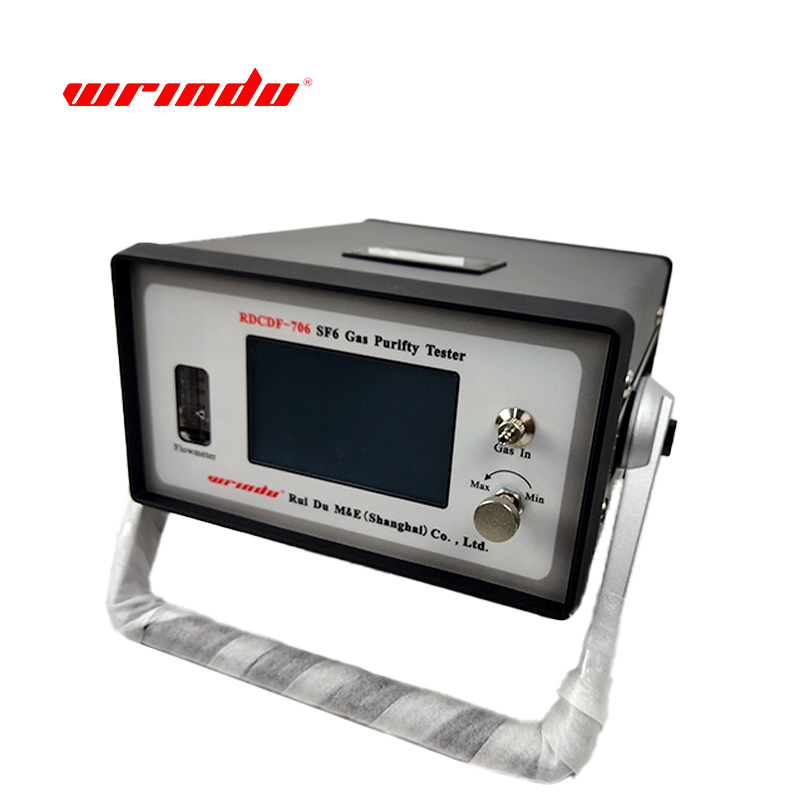
SF6 Analyzer Transport Storage requires evidence that a field, laboratory and procurement team can reconstruct. The working angle is to own transport checks and post-storage verification from actual manuals, not invented service intervals. This guide is for Utility, EPC, commissioning, maintenance or test-laboratory engineers; procurement and protection teams where applicable at the field test / diagnosis stage. It controls the test boundary, raw record and conclusion. Acceptance values and model capability must still come from the approved asset procedure, applicable standard edition and current manufacturer documentation.
SF6 Analyzer Transport Storage: What must be checked before a stored analyzer returns to service?
Treat it as evidence, not a diagnosis by itself.
Compare the observation with the approved procedure, asset configuration and repeat record; exclude setup and environmental effects before assigning the result to the equipment condition.
Before connecting the instrument for “SF6 Analyzer Transport Storage: What must be checked before a stored analyzer returns to service,” define the test boundary around the gas compartment, sampling hose, analyzer flow path, pressure reference, sensor set and recovery arrangement. Record compartment identity, gas mixture, pressure, temperature, flow, stabilization time, purge state, sample return and cylinder traceability; a reading is not comparable after the connection, operating state or reference point changes.
For “SF6 Analyzer Transport Storage: What must be checked before a stored analyzer returns to service” in SF6 analyzer transport storage, preserve compartment and cylinder IDs, pressure basis, flow, stabilization trace, sensor status, raw readings and gas disposition. Review the record before retesting so the decision does not confuse hose contamination, pressure-reference mismatch or sensor cross-sensitivity with asset condition. Open a new case when setup changes.
For the scope and terminology used in “SF6 Analyzer Transport Storage: What must be checked before a stored analyzer returns to service,” consult IEC 60480 SF6 reuse specifications and confirm the contractually applicable edition. The approved project procedure still controls acceptance.
Read model-specific storage and shipping instructions
For “Read model-specific storage and shipping instructions,” define the SF6 analyzer transport storage boundary before connection or data capture. State the asset condition, intended observation, comparison source and stop condition.
Under “Read model-specific storage and shipping instructions,” preserve compartment and cylinder IDs, pressure basis, flow, stabilization trace, sensor status, raw readings and gas disposition. Compare equivalent records and investigate hose contamination, pressure-reference mismatch or sensor cross-sensitivity before assigning the observation to asset condition.
For “Read model-specific storage and shipping instructions,” use IEC 62271-4 gas-handling procedures for scope and terminology; the approved project procedure controls acceptance. See Wrindu’s related technical owner page, then verify model capability in the current manual.
Inspect connectors, hoses and contamination evidence
For “Inspect connectors, hoses and contamination evidence,” define the SF6 analyzer transport storage boundary before connection or data capture. State the asset condition, intended observation, comparison source and stop condition.
Under “Inspect connectors, hoses and contamination evidence,” use a controlled purge and repeat, verified gas identity, reference check and a second method where the decision requires it. If the evidence conflicts, narrow the conclusion, identify the unresolved condition and assign a controlled repeat.
For “Inspect connectors, hoses and contamination evidence,” use IEC 63359 alternative-gas reuse specifications for scope and terminology; the approved project procedure controls acceptance.
Review sensor consumables and calibration status
For “Review sensor consumables and calibration status,” define the SF6 analyzer transport storage boundary before connection or data capture. State the asset condition, intended observation, comparison source and stop condition.
Under “Review sensor consumables and calibration status,” record compartment identity, gas mixture, pressure, temperature, flow, stabilization time, purge state, sample return and cylinder traceability. A setup change creates a new comparison case, so do not merge its values with the original trend.
For “Review sensor consumables and calibration status,” use US EPA electric power systems partnership for scope and terminology; the approved project procedure controls acceptance. See Wrindu’s SF6 gas testing and handling hub, then verify model capability in the current manual.
Why does a power-on self-check not prove measurement accuracy?
Because the measurement changes with test context.
Compare the observation with the approved procedure, asset configuration and repeat record; exclude setup and environmental effects before assigning the result to the equipment condition.
Before connecting the instrument for “Why does a power-on self-check not prove measurement accuracy,” define the test boundary around the gas compartment, sampling hose, analyzer flow path, pressure reference, sensor set and recovery arrangement. Record compartment identity, gas mixture, pressure, temperature, flow, stabilization time, purge state, sample return and cylinder traceability; a reading is not comparable after the connection, operating state or reference point changes.
For “Why does a power-on self-check not prove measurement accuracy” in SF6 analyzer transport storage, preserve compartment and cylinder IDs, pressure basis, flow, stabilization trace, sensor status, raw readings and gas disposition. Review the record before retesting so the decision does not confuse hose contamination, pressure-reference mismatch or sensor cross-sensitivity with asset condition. Open a new case when setup changes.
For the scope and terminology used in “Why does a power-on self-check not prove measurement accuracy,” consult US EPA SF6 reduction overview and confirm the contractually applicable edition. The approved project procedure still controls acceptance.
| Component | storage requirement source | observation | reference check | service disposition |
|---|---|---|---|---|
| Record component with its source. | Record storage requirement source with its source. | Record observation with its source. | Record reference check with its source. | Record service disposition with its source. |
Specify documented reference checks before field use
For “Specify documented reference checks before field use,” define the SF6 analyzer transport storage boundary before connection or data capture. State the asset condition, intended observation, comparison source and stop condition.
Under “Specify documented reference checks before field use,” use a controlled purge and repeat, verified gas identity, reference check and a second method where the decision requires it. If the evidence conflicts, narrow the conclusion, identify the unresolved condition and assign a controlled repeat.
For “Specify documented reference checks before field use,” use DILO SF6 leak-detection guidance for scope and terminology; the approved project procedure controls acceptance.
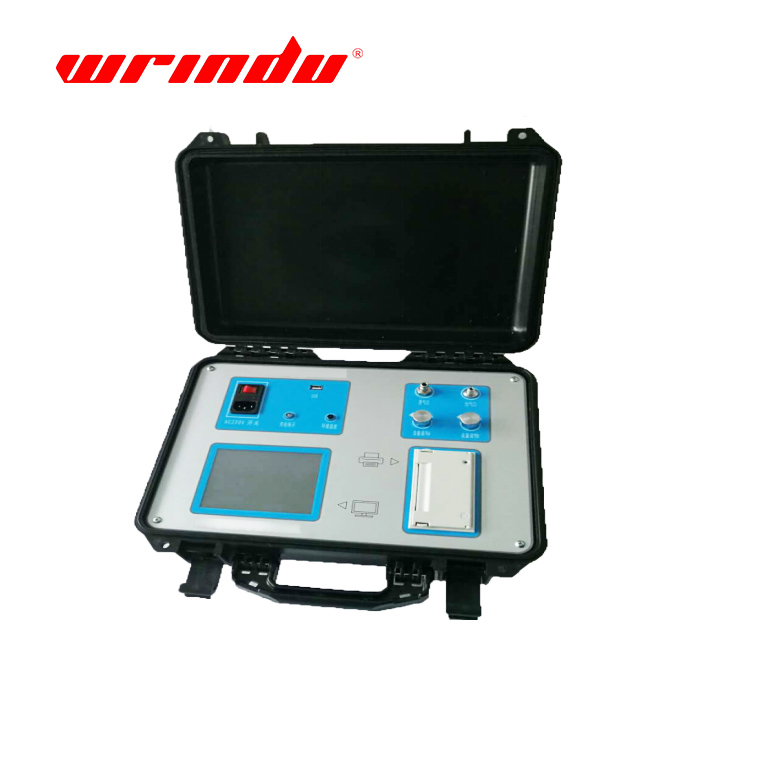
Keep service intervals tied to the actual manual
For “Keep service intervals tied to the actual manual,” define the SF6 analyzer transport storage boundary before connection or data capture. State the asset condition, intended observation, comparison source and stop condition.
Under “Keep service intervals tied to the actual manual,” record compartment identity, gas mixture, pressure, temperature, flow, stabilization time, purge state, sample return and cylinder traceability. A setup change creates a new comparison case, so do not merge its values with the original trend.
For “Keep service intervals tied to the actual manual,” record the governing standard, utility rule and manufacturer instruction before freezing acceptance criteria.
Prepare a transport-to-deployment readiness checklist
For “Prepare a transport-to-deployment readiness checklist,” define the SF6 analyzer transport storage boundary before connection or data capture. State the asset condition, intended observation, comparison source and stop condition.
Under “Prepare a transport-to-deployment readiness checklist,” preserve compartment and cylinder IDs, pressure basis, flow, stabilization trace, sensor status, raw readings and gas disposition. Compare equivalent records and investigate hose contamination, pressure-reference mismatch or sensor cross-sensitivity before assigning the observation to asset condition.
For “Prepare a transport-to-deployment readiness checklist,” record the governing standard, utility rule and manufacturer instruction before freezing acceptance criteria.
A defensible SF6 analyzer transport storage decision rests on a controlled setup, raw records and an explicit comparison basis. Separate observation from interpretation, identify unresolved conditions and assign each next action. When evidence is incomplete, use a controlled repeat or complementary method and leave asset acceptance with the responsible engineering authority.
FAQ
What evidence should be recorded when assessing SF6 analyzer transport storage?
For SF6 analyzer transport storage, confirm compartment identity, gas mixture, pressure, temperature, flow, stabilization time, purge state, sample return and cylinder traceability before comparing results. Preserve compartment and cylinder IDs, pressure basis, flow, stabilization trace, sensor status, raw readings and gas disposition. Identify every missing reference or uncontrolled condition, verify the applicable standard and instrument manual, and record the limitation plus its action owner. An incomplete observation should remain an open engineering question, not become an acceptance decision.
Which conditions can make SF6 analyzer transport storage results difficult to compare?
The answer depends on the verified asset and method boundary. For SF6 analyzer transport storage, use a controlled purge and repeat, verified gas identity, reference check and a second method where the decision requires it and retain the raw record. Never transfer a criterion from another configuration or test stage without written authority. If the evidence remains inconsistent, repeat the controlled test portion or refer the bounded issue for engineering review.
When should an inconclusive SF6 analyzer transport storage result be escalated?
For SF6 analyzer transport storage, identify the decision owner and governing procedure first. Check compartment identity, gas mixture, pressure, temperature, flow, stabilization time, purge state, sample return and cylinder traceability, then compare saved data with a valid reference. Request missing capability, calibration or method evidence before relying on the result. The final record must separate what was established, what remains uncertain and which assigned action closes the issue.
Review the SF6 analyzer transport storage scope
Send the asset, objective, governing procedure, required range, accessories and reporting format. Wrindu can review an instrument configuration; the responsible engineering team retains the acceptance decision.
{“@context”:”https://schema.org”,”@type”:”FAQPage”,”mainEntity”:[{“@type”:”Question”,”name”:”What evidence should be recorded when assessing SF6 analyzer transport storage?”,”acceptedAnswer”:{“@type”:”Answer”,”text”:”For SF6 analyzer transport storage, confirm compartment identity, gas mixture, pressure, temperature, flow, stabilization time, purge state, sample return and cylinder traceability before comparing results. Preserve compartment and cylinder IDs, pressure basis, flow, stabilization trace, sensor status, raw readings and gas disposition. Identify every missing reference or uncontrolled condition, verify the applicable standard and instrument manual, and record the limitation plus its action owner. An incomplete observation should remain an open engineering question, not become an acceptance decision.”}},{“@type”:”Question”,”name”:”Which conditions can make SF6 analyzer transport storage results difficult to compare?”,”acceptedAnswer”:{“@type”:”Answer”,”text”:”The answer depends on the verified asset and method boundary. For SF6 analyzer transport storage, use a controlled purge and repeat, verified gas identity, reference check and a second method where the decision requires it and retain the raw record. Never transfer a criterion from another configuration or test stage without written authority. If the evidence remains inconsistent, repeat the controlled test portion or refer the bounded issue for engineering review.”}},{“@type”:”Question”,”name”:”When should an inconclusive SF6 analyzer transport storage result be escalated?”,”acceptedAnswer”:{“@type”:”Answer”,”text”:”For SF6 analyzer transport storage, identify the decision owner and governing procedure first. Check compartment identity, gas mixture, pressure, temperature, flow, stabilization time, purge state, sample return and cylinder traceability, then compare saved data with a valid reference. Request missing capability, calibration or method evidence before relying on the result. The final record must separate what was established, what remains uncertain and which assigned action closes the issue.”}}]}
